Real estate erp serves as a transformative tool for real estate firms, enhancing their operational efficiency and decision-making capabilities. By integrating various functions within a single system, these platforms help businesses navigate the complexities of property management, transactions, and customer relations with ease. The adoption of real estate ERP systems not only facilitates smoother workflows but also provides valuable insights through real-time data analytics, making it an essential asset in today’s competitive market.
The significance of real estate ERP goes beyond mere automation; it embodies the essence of modern business management tailored specifically for the real estate sector. These systems boast features like data integration, customization, and cloud technology that drive growth and adaptability for firms of all sizes. As organizations increasingly rely on technology to stay ahead, understanding the benefits of real estate ERP becomes crucial for success.
Real estate ERP systems streamline business operations for real estate firms.

The integration of Enterprise Resource Planning (ERP) systems within real estate firms has become increasingly vital for improving efficiency and effectiveness in business operations. These systems are designed to centralize and streamline various processes, ultimately leading to enhanced productivity and better decision-making. By leveraging real-time data and automation, real estate firms can facilitate smoother transactions, ensuring that all aspects of their operations are interconnected and optimized.The implementation of ERP systems can significantly improve efficiency in real estate transactions by automating routine tasks and minimizing manual intervention.
This automation reduces the likelihood of human error, accelerates transaction times, and ensures that information is readily accessible across departments. For instance, when a property is listed, all relevant data—from contract management to customer relationship management—can be updated in real-time. This centralization not only enhances communication among teams but also provides a holistic view of ongoing transactions, allowing for quicker responses to market demands and client inquiries.
Features that enhance real estate ERP suitability
Several features make ERP systems particularly suitable for the real estate industry. These include:
- Integrated Financial Management: ERP systems offer comprehensive financial tools that help manage budgets, expenses, and revenue tracking seamlessly, which is essential for making informed financial decisions.
- Project Management Tools: These tools allow for better planning, execution, and monitoring of real estate projects, ensuring timely completion and resource allocation.
- Customer Relationship Management (CRM): Effective CRM functionalities enable firms to manage client interactions and maintain strong relationships, which are vital in the competitive real estate market.
- Document Management: Efficient handling of documents such as contracts and permits is crucial, and ERP systems provide a centralized platform for storage and retrieval.
- Reporting and Analytics: Robust reporting features allow firms to analyze data trends and make strategic decisions based on insights derived from real-time information.
Numerous real estate firms have successfully adopted ERP systems to enhance their operations. For example, Keller Williams Realty has integrated an ERP solution that streamlines its property management and transaction processes, resulting in increased agent productivity and improved client satisfaction. Similarly, CBRE implemented an ERP system to consolidate its global operations, leading to significant improvements in data accuracy and operational efficiency.
These real-world applications underscore the transformative potential of ERP systems in the real estate sector.
The role of data integration in real estate ERP systems enhances decision-making.
The integration of data within real estate ERP systems serves as a cornerstone for informed decision-making, significantly impacting the strategic operations of real estate firms. By consolidating diverse data sources into a unified system, stakeholders can harness insights that drive smarter investments and enhance operational efficiency. Real estate professionals equipped with integrated data can analyze trends, forecast demands, and optimize their portfolio management, leading to increased profitability.Data integration plays a critical role in shaping real estate investment decisions by providing comprehensive visibility into market conditions, financial performance, and operational metrics.
When disparate data sources—such as market analytics, property valuations, financial records, tenant information, and maintenance logs—are combined, they form a cohesive narrative that guides investment strategies. This allows for more accurate risk assessments and opportunity identification, ultimately boosting the confidence of decision-makers.
Essential data types for effective ERP systems in real estate
The effectiveness of a real estate ERP system hinges on the types of data it integrates. Below are key data categories essential for successful ERP implementations in real estate:
- Market Data: This includes neighborhood trends, market pricing, and demographic statistics that help in identifying lucrative investment opportunities.
- Financial Data: Comprehensive financial records such as balance sheets, cash flow statements, and profit margins are crucial for evaluating the financial health of properties.
- Property Data: Detailed information about properties, including square footage, property type, and maintenance history, assists in making informed valuation decisions.
- Tenant Data: Insights into tenant demographics, lease agreements, and payment histories provide a complete picture of revenue streams and occupancy rates.
- Operational Data: This encompasses maintenance logs, service requests, and vendor performance metrics, which facilitate efficient property management.
Real-time access to these data types promotes agility in operations and allows real estate firms to swiftly adapt to market changes.
Benefits of real-time data access for property management
Access to real-time data is a game changer in the realm of property management, as it empowers teams with immediate insights that can drive operational excellence. The following benefits highlight the importance of real-time data in enhancing property management practices:
- Enhanced Responsiveness: Property managers can react quickly to tenant needs, maintenance requests, and market fluctuations, ensuring higher tenant satisfaction and retention rates.
- Informed Decision-Making: With up-to-the-minute information at their fingertips, managers can make data-driven decisions regarding pricing strategies and property upgrades that align with current market demands.
- Operational Efficiency: Real-time data helps streamline processes, automate tasks, and reduce the risk of errors, ultimately leading to cost savings and improved productivity.
- Strategic Forecasting: Access to current market trends and performance metrics allows firms to forecast future demands accurately, aiding in long-term planning and investment strategies.
- Improved Reporting: Real-time analytics facilitate the generation of timely reports, offering stakeholders clear insights into property performance and financial standings.
In summary, the integration of comprehensive, real-time data within real estate ERP systems is essential for enhancing decision-making processes. By leveraging this integrated data, real estate firms can make informed investments, streamline property management, and ultimately drive better business outcomes.
Customization of real estate ERP solutions to meet unique business needs.
Customization of ERP systems in the real estate sector plays a pivotal role in ensuring that businesses can operate efficiently while addressing specific challenges and requirements shaped by their unique operational models. Just as no two real estate firms are alike, their needs for an ERP solution vary significantly, demanding that these systems be tailored to fit seamlessly into their existing workflows and processes.Tailoring ERP systems allows real estate companies to align technology with their distinct business models, enhancing overall efficiency and productivity.
Customization ensures that the ERP solution addresses specific operational needs, from managing property listings to handling client relationships and financial transactions. By adapting the software to fit their workflows, companies can improve user experience and drive better results.
Common customization features for real estate companies
Real estate firms often require a variety of customization features to ensure that their ERP solutions effectively support their business objectives. Some of the most commonly sought features include:
- Property Management Tools: Custom modules to manage property listings, tenant details, lease agreements, and maintenance requests, allowing for streamlined property oversight.
- Client Relationship Management (CRM): Tailored CRM functionalities to manage interactions with buyers, sellers, and tenants, fostering better relationships and communication.
- Financial Management: Customized financial reporting tools that align with specific accounting practices and provide real-time insights into cash flow, budgeting, and financial forecasting.
- Integration with Third-Party Services: The ability to link with external platforms for marketing, property listing services, or legal compliance, enhancing overall operational capabilities.
- Mobile Accessibility: Custom mobile applications that enable on-the-go access to critical ERP functionalities, ensuring agents can manage tasks while out in the field.
- Reporting and Analytics: Personalized dashboards and reporting tools tailored to the KPIs most relevant to a real estate firm’s strategic goals.
The importance of customizing an ERP system cannot be overstated, as it creates synergies within an organization and allows it to adapt to market changes swiftly. However, customization also comes with its own set of challenges.
Potential challenges faced during the customization of ERP solutions
While customizing ERP solutions can significantly enhance business operations, there are potential challenges that organizations may encounter in the process. Understanding these challenges can help firms better prepare for a successful implementation. Key issues include:
- Resource Allocation: Customization often requires significant time and financial investments, which can strain existing resources and impact other projects.
- Integration Complexity: Ensuring the customized ERP integrates smoothly with existing systems and processes can be technically challenging and may require specialized expertise.
- User Adoption: Employees may resist changes or find it difficult to adapt to new customized features, leading to potential drops in productivity during the transition.
- Ongoing Maintenance: Custom solutions may require ongoing support and updates, which can add to the long-term costs and complexity of the ERP system.
- Scope Creep: As businesses evolve, the initial customization requirements may change, leading to additional requests that can complicate the project and stretch timelines.
Customizing an ERP system is not just about functionality; it’s about creating a solution that aligns with the unique vision and operational strategies of a real estate firm.
The impact of cloud technology on real estate ERP solutions.
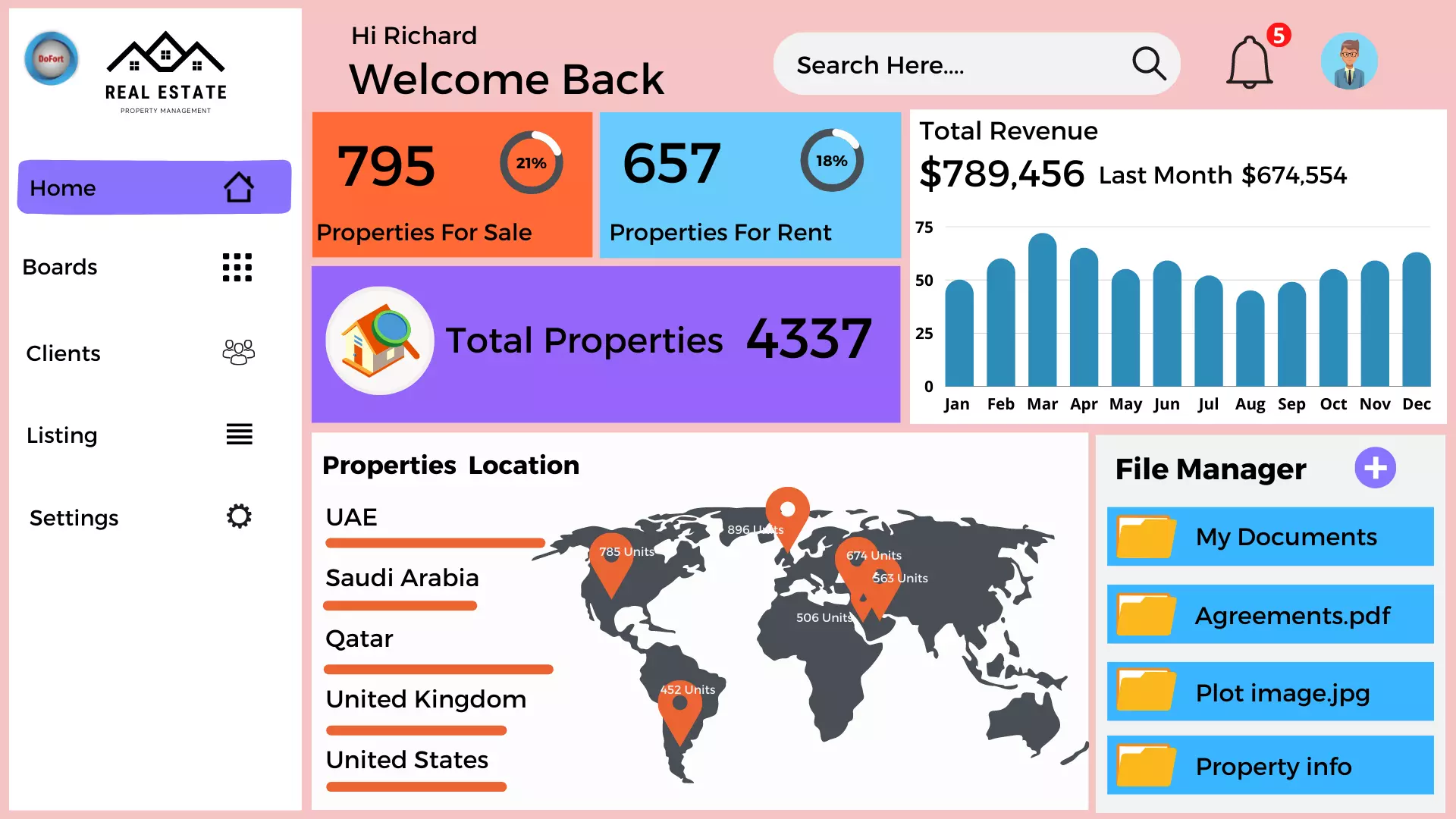
The integration of cloud technology in real estate ERP systems has transformed the landscape of property management, sales, and development. Traditional ERP systems operated on local servers and required considerable IT support, which often led to increased operational costs and limited accessibility. In contrast, cloud-based ERP solutions enable real estate firms to access their data and applications anytime and anywhere, fostering greater flexibility and collaboration among teams.Cloud-based ERP systems differ significantly from traditional systems in the real estate sector.
Firstly, cloud solutions utilize the Internet for access, eliminating the need for hefty on-site hardware. This allows for automatic updates and maintenance by the service provider, ensuring that firms always utilize the latest technology without incurring extra costs. Additionally, cloud systems offer scalability, allowing businesses to adapt their resources according to their growth without the need for extensive infrastructure changes.
This is particularly beneficial in the fast-paced real estate market, where demands can fluctuate.
Advantages of cloud technology for real estate firms
Cloud technology brings several advantages to real estate firms, enhancing operational efficiency and strategic decision-making.
- Cost Efficiency: By reducing the need for physical servers and IT maintenance, cloud solutions minimize upfront capital expenditures. Firms can opt for a subscription model, paying only for what they use.
- Enhanced Collaboration: Cloud ERP facilitates real-time collaboration among team members, irrespective of their location. This is crucial for field agents who require immediate access to property data while on the go.
- Improved Data Security: Reputable cloud providers invest heavily in data security measures, thus ensuring that sensitive client and company information is well-protected against breaches.
- Streamlined Compliance: Cloud ERP solutions often come with built-in compliance features that help firms adhere to industry regulations without the need for extensive manual oversight.
The cost comparison between cloud-based ERP and on-premises solutions further highlights the advantages of cloud technology. While on-premises systems require significant upfront investments in hardware and software, ongoing maintenance, and dedicated IT personnel, cloud-based solutions offer a more predictable cost structure. In many cases, firms can achieve lower total cost of ownership (TCO) with cloud ERP, especially when considering the reduced need for physical infrastructure and the associated costs.
Utilizing cloud technology not only optimizes resources but also positions real estate firms to adapt quickly to market changes and customer demands.
The future trends of ERP systems within the real estate industry.
As the real estate industry continues to evolve, ERP systems are becoming increasingly integral to managing operations effectively. The future of these systems is being shaped by a convergence of emerging technologies that enhance functionality and adaptability. Innovations such as artificial intelligence, big data analytics, and blockchain are streamlining processes, improving decision-making, and fostering collaboration among stakeholders. Understanding these trends helps real estate firms prepare for the changes ahead.
Emerging technologies shaping ERP in real estate
The incorporation of emerging technologies is vital for the evolution of ERP systems within the real estate industry. These innovations provide enhanced capabilities that can revolutionize how firms operate.
- Artificial Intelligence (AI): AI is transforming data management by enabling predictive analytics, which allows firms to forecast market trends and customer preferences more accurately. For instance, AI-driven tools can analyze property listings and identify potential buyers based on their online behavior.
- Big Data Analytics: The use of big data empowers real estate firms to gain insights from vast datasets, helping them make informed decisions. Analyzing customer demographics, market conditions, and transaction histories can lead to better investment strategies.
- Blockchain Technology: This technology offers a secure method of recording transactions, enhancing transparency and trust among stakeholders. Smart contracts can automate processes, reducing the need for intermediaries and minimizing errors.
- Internet of Things (IoT): IoT devices provide real-time data on property conditions, helping firms manage maintenance proactively. For example, smart sensors can alert property managers when systems require attention, optimizing resource allocation.
Potential pitfalls or challenges in ERP evolution
As the capabilities of ERP systems evolve, several challenges may arise that firms must navigate to maximize their benefits.
- Integration Issues: Integrating new technologies with existing systems can be complex, leading to data silos and inefficiencies if not managed properly.
- User Adaptation: Employees may resist adopting new technologies, especially if they require significant changes to established workflows. Comprehensive training and change management strategies are essential to mitigate this risk.
- Data Security Concerns: With increased reliance on digital platforms, firms must prioritize cybersecurity measures to protect sensitive information from breaches.
- Cost of Implementation: The financial commitment to adopting advanced ERP technologies can be substantial. Companies must carefully evaluate the return on investment to justify the expenditures.
Influence of changing market dynamics on ERP development
The real estate market is continuously influenced by various factors, including economic shifts, consumer preferences, and regulatory changes. These dynamics compel ERP systems to evolve to meet emerging demands.
- Market Volatility: Fluctuations in property values and consumer demand necessitate flexible ERP systems that can quickly adapt to changes in market conditions.
- Sustainability Trends: As eco-consciousness grows, ERP solutions are incorporating features that track and enhance sustainable practices in property management, appealing to environmentally aware consumers.
- Remote Work Dynamics: The rise of remote work has increased the need for ERP systems that facilitate collaboration and communication among dispersed teams, ensuring business continuity regardless of location.
- Consumer Expectations: Today’s buyers expect seamless experiences across all digital channels. ERP solutions must be designed to provide integrated and user-friendly interfaces that meet these expectations.
Training and support for effective real estate ERP implementation
Implementing a real estate ERP system is a significant step for any firm aiming to enhance operational efficiency and decision-making. However, the success of such an implementation heavily depends on the effective training of staff and the support structures established afterward. Adequate training ensures that employees are not only proficient in using the software but also understand its benefits and features.
Additionally, ongoing support plays a crucial role in maintaining productivity and addressing any challenges that may arise during or after the implementation process.
Training methodologies for staff using ERP systems in real estate
Developing a robust training program for staff is essential for maximizing the effectiveness of a real estate ERP system. Various methodologies can be employed to cater to different learning styles and preferences. Key training methodologies include:
- Hands-on Workshops: Interactive sessions that allow staff to navigate the ERP system in real-time under the guidance of a trainer.
- Online Training Modules: Self-paced e-learning courses that enable employees to learn at their convenience, covering essential features and functionalities.
- Role-specific Training: Customized training that focuses on how different roles within the organization utilize the ERP system, ensuring relevance and applicability.
- Mentoring Programs: Pairing experienced users with new employees to provide ongoing support and insights into best practices.
Incorporating a mix of these methodologies can cater to diverse learning styles, ensuring all team members are comfortable with the ERP system.
Ongoing support structures post-implementation
Post-implementation support is vital for ensuring that users continue to feel confident in utilizing the ERP system. The following support structures should be established:
- Help Desk Services: A dedicated team available to assist users with any technical issues or questions regarding the ERP system.
- Regular Updates and Training Sessions: Ongoing training opportunities to introduce new features and updates, ensuring that users are always informed.
- User Community Forums: Allowing users to share experiences, tips, and solutions to common problems can foster a supportive network.
- Feedback Mechanisms: Systems to gather user feedback can help identify areas for improvement and enhance overall user satisfaction.
These structures create an environment where users can continuously learn and adapt, thereby maximizing the effectiveness of the ERP system over time.
Examples of successful training programs
Many businesses that have adopted real estate ERP systems have seen positive outcomes from their training initiatives. For instance, a real estate firm named XYZ Realty implemented a comprehensive training program that included in-person workshops for all staff combined with an online learning portal. As a result, they reported a 30% increase in user satisfaction and a significant reduction in support tickets related to basic usage issues.Another example is ABC Properties, which created role-specific training manuals and conducted monthly refresher sessions for their staff.
This approach helped maintain a high level of competence and confidence among users, contributing to a seamless integration of the ERP system into daily operations.These examples highlight the importance of investing in systematic training and ongoing support to ensure the success of ERP implementations in the real estate sector.
Evaluating the effectiveness of ERP systems in real estate operations.
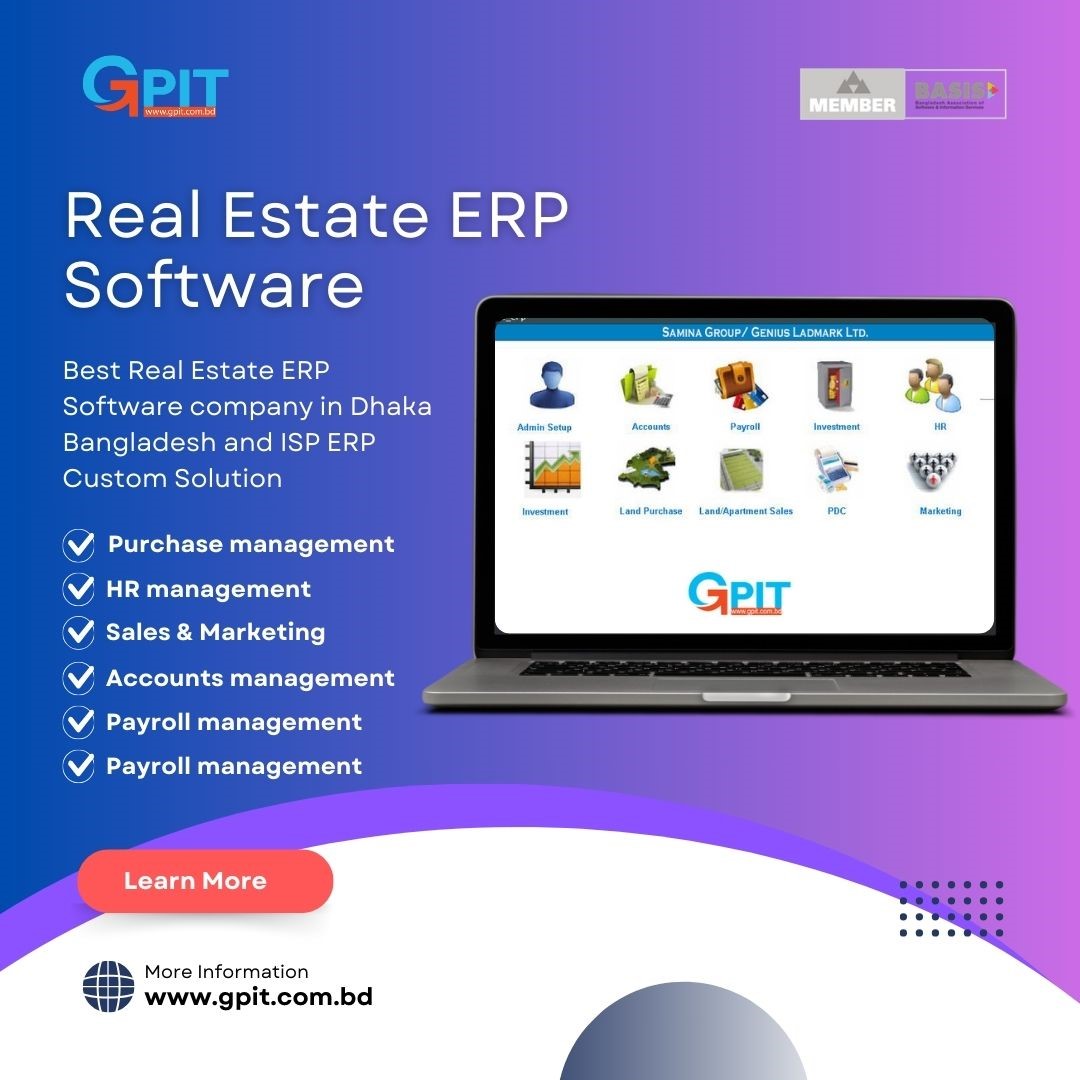
The evaluation of ERP systems in real estate operations is crucial for understanding their impact on business efficiency and overall performance. By systematically assessing the effectiveness of these systems, firms can identify areas for improvement and ensure that their investments yield the desired results. This requires a thorough analysis of various performance indicators, user feedback, and a commitment to ongoing enhancement of ERP processes.One of the primary ways to gauge the success of ERP implementation is through the identification of key performance indicators (KPIs).
These metrics enable organizations to measure the effectiveness of their ERP systems and determine how well they align with business objectives.
Key performance indicators for ERP success
Establishing clear KPIs is essential for measuring the effectiveness of an ERP system in real estate operations. The following are critical indicators that can help assess performance:
- Operational Efficiency: Measure the reduction in time taken to complete various real estate processes, such as property management and transaction processing.
- Data Accuracy: Evaluate the accuracy of data entries and transactions handled by the ERP system, as reliable data is fundamental for informed decision-making.
- User Adoption Rate: Track the percentage of employees actively using the ERP system, which reflects how well the system has been integrated into daily operations.
- Cost Savings: Analyze the reduction in operational costs attributed to the implementation of the ERP system, signaling its financial viability.
- Customer Satisfaction: Measure client feedback and satisfaction levels, as a positive customer experience is often a direct result of improved internal processes.
Gathering user feedback is another vital component of evaluating ERP performance. Regular input from users can provide insights into the system’s strengths and weaknesses, aiding in the identification of potential areas for improvement.
Methods for gathering user feedback
Implementing structured methods for collecting user feedback is essential for understanding how well the ERP system is functioning. The following approaches can be adopted:
- Surveys and Questionnaires: Regularly distribute surveys to users, asking for their opinions on system usability, functionality, and overall satisfaction.
- User Interviews: Conduct one-on-one interviews with key users to gain in-depth insights into their experiences and suggestions for enhancements.
- Focus Groups: Organize focus group meetings that bring together users to discuss common pain points and share ideas for improvement.
- Usage Analytics: Utilize built-in analytics tools within the ERP system to monitor user behavior and identify features that are frequently used or underutilized.
To ensure continuous improvement of ERP processes based on user feedback and performance evaluation findings, organizations must adopt a proactive approach.
Approaches for continuous improvement in ERP processes, Real estate erp
Continuous improvement is vital for optimizing ERP systems and ensuring they remain aligned with evolving business needs. The following strategies can facilitate ongoing enhancement:
- Regular Training Sessions: Offer continuous training for users to maximize the effective use of the ERP system and keep them updated on new features and functionalities.
- Iterative Upgrades: Implement a cycle of regular system updates based on user feedback to address issues and introduce enhancements.
- Benchmarking: Compare performance metrics against industry standards to identify gaps and set targets for improvement.
- Stakeholder Engagement: Involve stakeholders in the evaluation process to ensure that improvements align with the broader goals of the organization.
By effectively evaluating the effectiveness of ERP systems in real estate operations, organizations can make informed decisions that enhance productivity, reduce costs, and ultimately lead to greater business success.
Security measures necessary for real estate ERP systems to protect sensitive data.
In an era where data breaches and cyber threats are rampant, ensuring the security of sensitive information in real estate ERP systems is critical. These systems manage vital data, including client information, financial records, and property details, making them prime targets for cybercriminals. The significance of cybersecurity in these platforms cannot be overstated, as the consequences of data breaches can lead to financial loss, legal ramifications, and damage to reputation.
Therefore, implementing robust security measures is essential to safeguard sensitive data and maintain client trust.Cybersecurity in real estate ERP solutions involves a multi-layered approach to protect against various threats. Organizations must consider the risks associated with data management and incorporate best practices to enhance data privacy and security. Key measures include:
Best practices for ensuring data privacy and security
Establishing a secure environment for real estate ERP systems requires a combination of technical solutions and operational policies. The following best practices are essential in safeguarding sensitive data:
- Regular Software Updates: Keeping the ERP system and its components regularly updated ensures that vulnerabilities are patched, reducing the risk of exploitation by cyber attackers.
- Access Controls: Implementing role-based access controls limits data access to authorized personnel only. This minimizes the chance of internal threats and unauthorized data manipulation.
- Data Encryption: Encrypting sensitive data both at rest and in transit protects it from unauthorized access, ensuring that even if data is intercepted, it remains unreadable without the decryption key.
- Strong Authentication Protocols: Utilizing multi-factor authentication (MFA) adds an extra layer of security by requiring users to verify their identity through multiple means, making it harder for malicious actors to gain access.
- Regular Security Audits: Conducting routine security assessments and penetration tests helps identify vulnerabilities and ensures that security measures are effective and up to date.
Understanding regulatory compliance requirements is also crucial for real estate ERP solutions. Regulations such as the General Data Protection Regulation (GDPR) in Europe and the California Consumer Privacy Act (CCPA) in the USA impose strict guidelines on how organizations handle and protect personal data. Compliance not only mitigates legal risks but also enhances the organization’s credibility. Real estate firms must be aware of these regulations and ensure their ERP systems are compliant, integrating necessary policies and practices to protect clients’ information and maintain regulatory standards.
Ending Remarks
In summary, embracing real estate ERP systems is not just about keeping up with trends but about leveraging technology to optimize every aspect of real estate operations. As the market evolves and technology advances, staying informed about best practices, features, and future trends will ensure that firms can effectively meet their unique challenges and achieve sustainable growth. Ultimately, investing in a robust ERP solution can pave the way for enhanced productivity and long-term success in the real estate industry.
Popular Questions: Real Estate Erp
What is a real estate ERP system?
A real estate ERP system is an integrated software solution designed to manage and streamline various business processes within the real estate industry, including property management, transactions, and customer relations.
How does real estate ERP improve efficiency?
It automates repetitive tasks, integrates data across departments, and provides real-time analytics, allowing firms to make faster and more informed decisions.
What are some key features of real estate ERP systems?
Key features include data integration, customizable dashboards, property management tools, and real-time reporting capabilities.
What are the benefits of cloud-based real estate ERP?
Cloud-based real estate ERP offers scalability, remote access, lower upfront costs, and automatic updates, making it a flexible choice for many firms.
How can firms ensure data security with ERP systems?
Firms can ensure data security by implementing strong access controls, regular audits, encryption, and compliance with industry regulations.