Commercial property management accounting software serves as a pivotal tool for property managers striving to streamline their operations. In an industry where managing finances accurately is crucial, dedicated software provides the support needed to enhance efficiency, minimize errors, and optimize overall property performance. This technology not only simplifies day-to-day tasks but also offers insights that can significantly impact financial outcomes.
By integrating essential features such as automation and robust reporting, these software solutions empower property managers to focus more on strategic decision-making rather than getting bogged down by manual processes. As the landscape of property management evolves, understanding the importance of specialized accounting tools becomes increasingly vital for success.
The importance of accounting software in the management of commercial properties

In the world of commercial property management, precision and efficiency in accounting are paramount. Utilizing dedicated accounting software can significantly streamline property management tasks, making them less cumbersome and more effective. The role of such software goes beyond mere number-crunching; it is a vital tool that enhances decision-making and facilitates smoother operations.The integration of accounting software into property management systems brings numerous advantages.
By automating routine financial tasks like rent collection, invoice processing, and expense tracking, property managers can focus on more strategic initiatives. This leads to a noticeable increase in productivity, allowing staff to allocate their time towards tenant relations or property improvements. Ultimately, enhanced efficiency in accounting directly correlates to improved performance across all aspects of property management, including occupancy rates and overall tenant satisfaction.
Benefits of accounting software in property management
The advantages of implementing dedicated accounting software in commercial property management extend to various operational and financial aspects. Below are key benefits that highlight its significance:
- Time savings: Automation of repetitive tasks reduces the time spent on manual entries, thus allowing personnel to focus on higher-value activities.
- Accuracy: Software minimizes the risk of human error in calculations, ensuring that financial reports are more reliable and accurate.
- Real-time reporting: Access to live data enables managers to make informed decisions promptly, adapting strategies as conditions change.
- Improved cash flow management: Features like automated reminders for overdue payments assist in maintaining healthy cash flow and reducing late payments.
- Compliance and audit trails: Dedicated software often includes features for compliance tracking, helping organizations adhere to regulations and prepare for audits more efficiently.
Another significant consideration is the financial implications of utilizing dedicated software compared to traditional accounting methods. Traditional approaches often involve manual bookkeeping, which can be time-consuming and prone to errors, leading to potential financial discrepancies. In contrast, using modern accounting software typically results in lower operational costs in the long run.
For instance, a study by the National Association of Realtors suggests that firms utilizing advanced property management software experience an average of 30% reduction in operational costs.
Investing in dedicated accounting software not only improves accuracy and efficiency but also provides valuable insights through data analytics, enabling proactive management rather than reactive problem-solving. With these tools at their disposal, property managers can enhance their overall performance, leading to better management of assets and elevated tenant experiences.
Key features to look for in commercial property management accounting software
When selecting commercial property management accounting software, identifying the right features is crucial for enhancing user experience and streamlining operational effectiveness. A comprehensive software solution should facilitate various accounting tasks while ensuring efficiency and accuracy in managing properties. Understanding which functionalities are essential can empower property managers to make informed decisions.One of the primary functionalities to consider in property management accounting software is its ability to handle multiple property portfolios seamlessly.
This includes features such as automated rent collection, expense tracking, and financial reporting tailored to each property. Additionally, a user-friendly interface can significantly enhance the experience, allowing users to navigate effortlessly through the software’s functionalities. Access to real-time data is another critical aspect, which enables property managers to make timely decisions based on current financial standings.
Cloud-based solutions versus on-premise software options
The choice between cloud-based solutions and on-premise software can significantly impact the operational efficiency of a property management firm. Cloud-based software offers several advantages, making it an attractive option for many.
- Accessibility: Cloud solutions can be accessed from anywhere with an internet connection, allowing property managers to work remotely and access vital information on-the-go.
- Automatic updates: Regular software updates and feature enhancements are provided automatically without the need for manual installations, ensuring users always have the latest functionality.
- Cost-effective: Typically, cloud-based solutions operate on a subscription model, which can reduce upfront costs and make budgeting easier for property management firms.
On the other hand, on-premise software may still hold value for certain organizations, particularly those with stringent data security requirements. For instance, companies that manage sensitive tenant information might prefer on-premise solutions to maintain complete control over their data storage and security protocols.
Integrations with other property management tools
Integrating accounting software with other property management tools is fundamental for ensuring comprehensive operations. This capability allows for streamlined processes, reducing the need for duplicate data entry and minimizing errors.
- Tenant management systems: Integration with tenant management platforms can automate tenant communications, lease tracking, and maintenance requests, thereby improving tenant satisfaction and retention.
- Maintenance management tools: Linking accounting software with maintenance systems enables seamless tracking of work orders and associated costs, providing clearer insight into property expenditures.
- Payment processors: Integrating reliable payment processing systems simplifies rent collection, making it easier for tenants to pay on time and for property managers to track payments accurately.
The importance of these integrations cannot be overstated, as they create a cohesive ecosystem that enhances overall operational effectiveness, ensuring that property management firms can respond promptly to both tenant and owner needs.
The impact of automation in property management accounting
Automation in property management accounting represents a significant advancement in how financial operations are handled. By reducing the reliance on manual processes, property managers can enhance accuracy, streamline workflows, and focus their efforts on strategic decision-making rather than mundane tasks. The shift towards automation not only bolsters efficiency but also promotes a more organized and transparent accounting environment.Automation significantly reduces manual errors and saves time within accounting processes.
Human error is a common issue in manual accounting, often resulting in discrepancies that require time-consuming corrections. By implementing automated systems, property managers can ensure data integrity and minimize the chances of errors that can arise from manual data entry or calculations. Automated systems can handle repetitive tasks with precision, allowing for faster processing and less room for mistakes.
Remember to click real estate erp systems to understand more comprehensive aspects of the real estate erp systems topic.
Tasks within accounting that can be automated
Several specific tasks within property management accounting can be effectively automated to enhance efficiency. Automation can transform the way these tasks are approached, simplifying workflows and improving accuracy. Here are key accounting activities that can be automated:
- Invoicing and Billing: Automated invoicing systems can generate and send invoices on a scheduled basis, ensuring timely billing and reducing the need for manual input.
- Payment Processing: Automated payment systems allow tenants to pay rent online, with direct integration into accounting software, simplifying reconciliation processes.
- Expense Tracking: Software can automatically categorize and track expenses, making it easier to monitor property-related costs and generate financial reports.
- Reporting: Automated reporting tools can create real-time financial summaries and insights, providing managers with up-to-date data without manual compilation.
- Tax Preparation: Automation can streamline tax calculations and document generation, significantly reducing the workload during tax season.
The potential cost savings associated with automated systems in property management accounting are substantial. By reducing the need for extensive manual processes, companies can lower labor costs, minimize overhead, and decrease the time spent on accounting activities. Furthermore, with improved accuracy, businesses can avoid costly penalties from tax errors or late payments. For instance, a property management firm that automates its invoicing and payment processes could see a reduction in payment collection time, leading to improved cash flow and ultimately enhancing profitability.
Automation in property management accounting not only saves time but also provides a strategic advantage by allowing managers to focus on high-value activities.
Challenges faced when implementing accounting software for commercial properties
Implementing accounting software for commercial properties can present a wide array of challenges for property managers. These obstacles can disrupt workflows, lead to employee frustration, and ultimately hinder the effectiveness of the software. Recognizing and addressing these challenges is crucial for ensuring a seamless transition to a more automated accounting system.One common hurdle is data migration. Many property managers deal with legacy systems or manual accounting processes that make it difficult to transfer existing data to the new software.
Inaccurate data or incomplete records can lead to significant issues down the line. Another significant challenge is user resistance. Staff may be accustomed to their current processes and may struggle to adapt to a new system, leading to decreased productivity and morale. Additionally, integrating the software with other existing systems, such as property management or maintenance management software, can pose substantial technical challenges.
Strategies for overcoming challenges during implementation
Addressing the challenges of implementing accounting software requires a strategic approach. Here are some effective strategies that can facilitate a smooth transition:
- Thorough planning: Establish a clear implementation plan that Artikels the steps involved, timelines, and responsible parties. This helps ensure that everyone is on the same page and can anticipate upcoming tasks.
- Data accuracy check: Before migrating data, conduct a thorough audit of existing records. Clean up any discrepancies and ensure that all necessary information is ready for transfer, reducing the risk of errors during migration.
- Involve staff early: Engage employees in the decision-making process and seek their input on the selection of software. This inclusion can help reduce resistance and promote a sense of ownership in the new system.
- Phased implementation: Instead of a full-scale switch, consider a phased approach where you roll out the software in stages. This allows for testing and troubleshooting in smaller, manageable increments, rather than overwhelming staff with a complete overhaul.
Importance of staff training and ongoing support
Training staff on the new accounting software is a pivotal step in overcoming implementation challenges. Without adequate training, employees may struggle to utilize the software effectively, leading to frustration and poor adoption rates. A well-structured training program that includes hands-on demonstrations, written guides, and access to training resources can make a significant difference.Furthermore, ongoing support is essential for maintaining productivity and addressing any emerging issues.
Regular check-ins and the availability of a dedicated support team can help resolve challenges quickly. Encouraging a feedback loop where staff can share their experiences with the software can also lead to continuous improvement and increased satisfaction.
Investing in comprehensive training and support not only enhances user experience but also maximizes the effectiveness of the accounting software.
The role of reporting and analytics in commercial property management: Commercial Property Management Accounting Software
Effective reporting and analytics are essential elements in the management of commercial properties. These tools enable property managers to gain a comprehensive view of performance metrics, track financial health, and identify trends that might affect their portfolios. By leveraging detailed reporting features, property managers can assess their properties’ performance over time, which ultimately leads to informed decision-making.The integration of analytics within property management accounting software can significantly impact operational efficiency and strategic planning.
Understand how the union of property management software for small business can improve efficiency and productivity.
By translating data into actionable insights, property managers can better understand their assets and make adjustments to enhance performance. This process often involves analyzing trends in occupancy rates, rental income, and operating expenses, which can drive improvements in management practices and financial outcomes.
Key performance indicators (KPIs) in commercial property management, Commercial property management accounting software
Understanding the right KPIs can help property managers evaluate the success of their properties and make data-driven decisions. Below are essential KPIs relevant to commercial property management that should be closely monitored:
- Occupancy Rate: This metric indicates the percentage of leased space compared to the total available space, highlighting the effectiveness of leasing strategies.
- Net Operating Income (NOI): Calculated as total revenue minus operating expenses, NOI gives an insight into the profitability of a property.
- Cash Flow: Tracking cash inflows and outflows is crucial for assessing liquidity and financial stability over time.
- Capitalization Rate (Cap Rate): This ratio helps property managers understand the return on investment by comparing NOI to the property value.
- Tenant Turnover Rate: The frequency at which tenants leave can indicate tenant satisfaction and the effectiveness of property management.
Using these KPIs, property managers can create detailed reports that illustrate the performance of their assets, allowing for timely adjustments and strategic initiatives. The significance of these metrics lies not just in their numbers but in their ability to tell a story about the property’s health and potential for growth.
“Data-driven decisions backed by solid reporting can transform property management strategies, leading to enhanced efficiency and improved returns.”
Evaluating the cost-effectiveness of commercial property management accounting software
Investing in commercial property management accounting software is a significant decision for property managers and owners alike. Understanding the cost-effectiveness of these software solutions can lead to smarter investments that enhance operational efficiency and improve financial management. This analysis will cover various factors influencing pricing, compare different purchasing models, and detail the potential return on investment (ROI) for such software.
Factors influencing pricing of software solutions
Several elements impact the pricing of commercial property management accounting software. These include:
- Features and functionality: The more advanced the features, such as automation, reporting, and analytics, the higher the cost. Basic packages may offer limited functionalities at lower prices.
- Scalability: Software designed to accommodate growing portfolios or additional properties typically comes at a premium, as it offers flexibility and future-proofing.
- User licenses: Pricing models often depend on the number of users or licenses required. More users generally lead to higher costs, as some solutions charge per user.
- Support and updates: Ongoing technical support and regular updates can affect pricing. Solutions that include robust customer service and continuous improvements may have higher upfront costs but can save money in the long run.
Subscription-based models versus one-time purchase options
When evaluating commercial property management accounting software, one must consider the two prevalent payment structures: subscription-based models and one-time purchase options.
- Subscription-based models: These generally involve recurring monthly or annual fees. The benefits include lower initial costs, access to the latest features and updates, and scalable solutions. They suit businesses looking for flexibility.
- One-time purchase options: This model involves a single upfront payment for perpetual software use. While this option can appear cost-effective over time, it may lack the ongoing support and updates that subscription models provide. Additionally, the initial cost can be significantly higher.
Potential ROI from investing in specialized accounting software
Calculating the ROI of commercial property management accounting software provides insights into its value. The potential returns can include:
- Time savings: Automation of daily accounting tasks can free up hours for property management staff, allowing them to focus on core activities, potentially leading to revenue growth.
- Improved accuracy: Reducing human errors in financial reporting can prevent costly mistakes, leading to better financial management and significant savings.
- Enhanced decision-making: Robust reporting and analytics facilitate informed decisions on property acquisitions, pricing strategies, and operational budgets, translating to better financial outcomes.
- Increased tenant satisfaction: Efficient management of finances, including rent collection and reporting, can lead to improved tenant relations, resulting in higher retention rates and occupancy levels.
Investing in specialized accounting software can yield returns that far exceed the initial financial outlay, making it a vital asset for commercial property management.
User experiences and case studies of successful software implementations
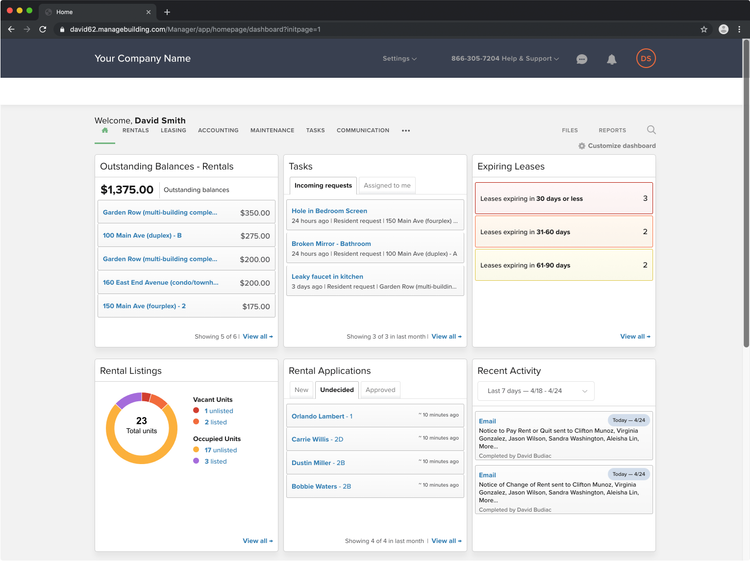
The successful implementation of accounting software in commercial property management can significantly enhance operational efficiency and financial accuracy. With the right tools, property managers can streamline their processes, leading to improved tenant satisfaction and enhanced profitability. This segment explores specific case studies and user testimonials that shed light on the transformative power of these software solutions.
Find out further about the benefits of best property management software that can provide significant benefits.
Successful Case Studies
Several organizations have successfully adopted commercial property management accounting software, illustrating the tangible benefits of these solutions. For example, a large real estate firm in New York implemented a cloud-based accounting platform that allowed them to automate their invoicing and payment tracking processes. As a result, they reported a 30% reduction in administrative time spent on accounting tasks, enabling their team to focus on tenant relations and property maintenance.Another noteworthy case involves a mid-sized property management company in California that switched to an integrated software solution for tracking rent payments and maintenance requests.
The new system provided real-time analytics and reporting capabilities, leading the company to identify trends in tenant requests. This proactive approach not only improved their response times but also enhanced tenant retention rates by 20%.
User Testimonials
User feedback provides valuable insights into the benefits and challenges associated with different software options. A property manager in Texas shared their experience with a popular accounting software, stating,
“The software was easy to navigate, but we faced challenges during the initial setup. Once we had everything in place, however, it streamlined our accounting processes significantly.”
Conversely, a user from Florida noted,
“The software’s reporting features were robust, but it lacked customization options that we needed for our unique property types.”
These testimonials highlight the importance of evaluating software features against specific organizational needs to ensure a successful implementation.
Emerging Industry Trends
Documented user experiences reveal several emerging trends in the adoption of commercial property management accounting software. One notable trend is the growing demand for mobile access, allowing property managers to conduct transactions and access reports on-the-go. Users appreciate the flexibility this offers, particularly in fast-paced environments.Another trend is the integration of AI-powered analytics, which helps property managers forecast financial performance and make data-driven decisions.
This technology is becoming increasingly crucial as competition in the real estate market intensifies. Lastly, there’s a significant shift towards cloud-based solutions, which offer enhanced scalability and security. Companies are seeking software that can grow alongside their business, ensuring they remain competitive in a dynamic market.These case studies and user testimonials underscore the importance of selecting the right commercial property management accounting software to meet specific operational needs and industry demands.
Future trends in commercial property management accounting software
The landscape of commercial property management accounting software is rapidly evolving, driven by a combination of emerging technologies and changing regulatory environments. As property managers seek more efficient ways to handle financial transactions and reporting, the integration of advanced technologies will be a game-changer, enhancing functionalities and user experiences. This discussion delves into the potential future trends that will shape accounting practices in property management.
Emerging technologies influencing accounting software
Technological advancements are transforming how commercial property management accounting software operates. The rise of cloud computing, blockchain, and mobile applications is significantly enhancing the capabilities of these tools.
Cloud Computing
This technology allows for real-time data access and collaboration between multiple stakeholders, including property managers, tenants, and financial institutions. Users can manage finances and access critical information from anywhere, enhancing flexibility and responsiveness.
Blockchain Technology
Known for its security and transparency, blockchain can revolutionize transaction recording in property management. It ensures that all transactions are securely logged, reducing fraud and errors, while facilitating quicker and more secure financial transactions.
Mobile Applications
The growing reliance on smartphones means that property managers increasingly turn to mobile apps for financial management on the go. These apps facilitate quick access to essential reporting tools, payment processing, and communication with tenants.
Impact of artificial intelligence and machine learning
Artificial intelligence (AI) and machine learning (ML) are poised to play a critical role in the future of commercial property management accounting software. These technologies are being integrated to automate processes, predict trends, and enhance decision-making capabilities.AI can analyze large datasets quickly, providing insights that would take humans significantly longer to determine. For instance, AI algorithms can help predict rent pricing based on market trends and tenant behavior, allowing property managers to make data-driven decisions.Machine learning algorithms can also identify patterns in financial transactions, helping to flag anomalies that might indicate fraud or accounting errors.
As these technologies continue to mature, we can expect accounting software to become increasingly intuitive, learning from user behavior and improving accuracy over time.
“AI-driven insights could lead to 30% improved efficiency in property management accounting processes.”
Influence of regulatory changes on software design
The ever-changing landscape of property regulations significantly impacts the design and functionality of accounting software. As governments introduce new compliance requirements, software developers must be agile and responsive to these changes to ensure that their products remain relevant and compliant.For example, recent adjustments to tax laws or data protection regulations, such as GDPR, require accounting software to incorporate features that ensure compliance.
This may include automated reporting tools for tax purposes or enhanced data security features to protect sensitive tenant information.Adapting to these regulatory changes will not only enhance software functionality but also provide property managers with peace of mind, knowing they are compliant and minimizing potential legal risks. As regulations evolve, the ability of software providers to swiftly update their products will be a key differentiator in the market.
Epilogue
In summary, adopting commercial property management accounting software can revolutionize how property managers handle their financial responsibilities. The benefits of automation, enhanced reporting, and efficient task management are undeniable. As technology continues to advance, those who embrace these solutions will be better positioned to navigate the complexities of the real estate market and improve their operational effectiveness.
Question & Answer Hub
What are the key benefits of using accounting software for commercial properties?
The key benefits include improved accuracy, time savings, streamlined operations, and enhanced financial insights that aid decision-making.
Is cloud-based software better than on-premise options?
Cloud-based solutions offer flexibility, automatic updates, and remote access, while on-premise options may provide better control for some users.
How can automation improve accounting processes?
Automation can significantly reduce manual errors, save time on repetitive tasks, and ensure consistent financial reporting.
What challenges might arise during software implementation?
Common challenges include staff resistance to change, data migration issues, and the need for adequate training and support.
How can I evaluate the ROI of accounting software?
Evaluate ROI by comparing cost savings from reduced errors, time efficiency, and improvements in financial reporting against the software investment.