Real estate erp systems are revolutionizing the way property management is conducted, offering an integrated solution that simplifies complex operations. These systems are designed to streamline processes, enhance efficiency, and provide a centralized platform for managing various aspects of real estate operations. From financial management to customer relationship management, ERP systems play a crucial role in ensuring that real estate companies can adapt to the ever-changing market demands.
As the real estate sector continues to evolve, the importance of adopting robust ERP systems cannot be overstated. These systems not only consolidate data but also provide valuable insights that drive informed decision-making. With features tailored specifically for real estate operations, such as property management, financial analytics, and customizable modules, ERP systems empower businesses to optimize their workflows and improve overall productivity.
The Importance of Real Estate ERP Systems in Modern Property Management
In today’s fast-paced real estate environment, companies are increasingly turning to Enterprise Resource Planning (ERP) systems to enhance their property management processes. These systems serve as comprehensive software solutions that integrate various functionalities to streamline operations, improve efficiency, and ultimately drive profitability. With the complexities involved in managing properties, ranging from tenant relations to maintenance management, the significance of ERP systems cannot be overstated.The core features of real estate ERP systems provide a wealth of benefits tailored specifically to property management needs.
These systems typically include modules for financial management, tenant and lease tracking, maintenance management, and reporting analytics. Financial management ensures that all income and expenses are tracked accurately, providing a clear picture of the property’s financial health. Tenant and lease tracking enables property managers to monitor lease agreements, tenant details, and payment histories, ensuring timely rent collections and fostering positive tenant relationships.
Maintenance management allows for efficient scheduling and tracking of repair requests, helping to maintain property conditions and tenant satisfaction. Additionally, reporting analytics provide valuable insights into operational performance, helping managers make data-driven decisions.
Core Features of ERP Systems for Property Management
To fully appreciate the value of ERP systems in the real estate sector, it is essential to explore the specific features that create operational efficiency. Each feature plays a critical role in not just simplifying tasks but also enhancing overall productivity within the organization.
- Centralized Data Management: With all property data housed in one system, accessing information becomes easier, reducing the time spent searching for documents and improving collaboration among teams.
- Automated Workflows: Automation of routine tasks, such as rent reminders or maintenance requests, helps eliminate errors and ensures that important activities are performed on time.
- Integrated Financial Management: This feature allows for real-time tracking of income and expenses, offering a comprehensive view of property profitability and financial forecasting.
- Enhanced Reporting Capabilities: Advanced reporting tools enable managers to analyze trends, track performance metrics, and generate customized reports for stakeholders.
- Mobile Accessibility: Many ERP systems offer mobile applications, allowing property managers to access vital information and manage tasks from anywhere, increasing responsiveness and flexibility.
The integration of these features into a single platform streamlines operations within real estate companies. By automating repetitive tasks, centralizing information, and providing real-time insights, ERP systems significantly reduce the time and resources needed for effective property management. With enhanced efficiency, property management teams can focus on strategic initiatives that drive growth and improve tenant experiences rather than being bogged down by administrative tasks.
“ERP systems transform property management by facilitating efficiency, enhancing communication, and ensuring informed decision-making.”
In conclusion, the adoption of real estate ERP systems is a transformative move for property management companies striving to stay competitive in a dynamic market. The centralized management, automation, and analytical capabilities offered by these systems are pivotal in achieving operational excellence.
Key Components of Real Estate ERP Systems
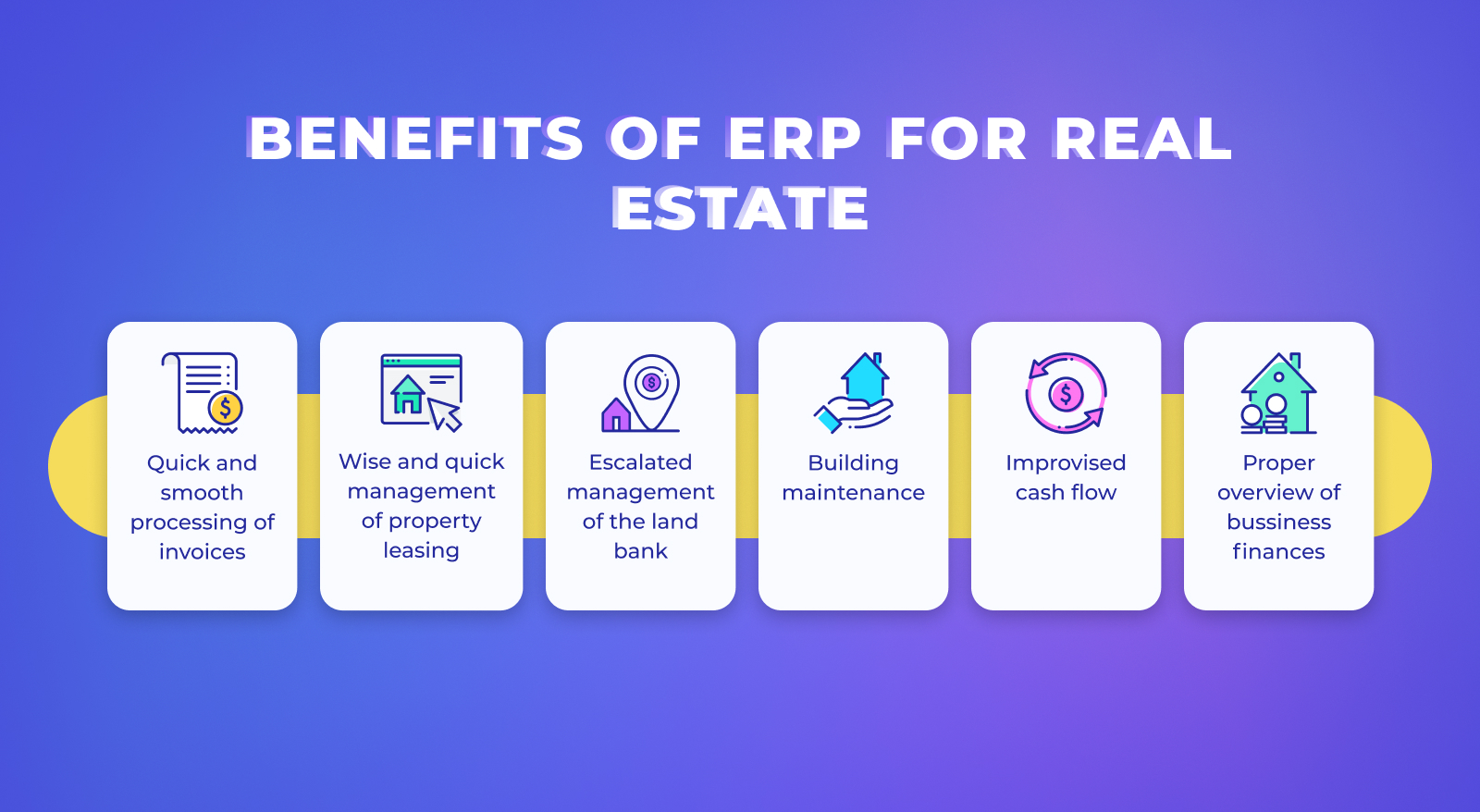
Real Estate ERP systems are essential tools for modern property management, integrating various functions into a single platform that enhances operational efficiency. These systems offer a range of modules designed to streamline processes, improve communication, and provide data-driven insights. Understanding the key components of these systems can help real estate businesses select the right ERP solution that meets their unique needs.The essential modules commonly found in real estate ERP systems include property management, financial management, customer relationship management (CRM), lease management, and reporting and analytics.
Each of these modules plays a critical role in enhancing real estate operations.
Property Management Module
The property management module is at the heart of any real estate ERP system. This module allows property managers to oversee all aspects of property operation, including tenant management, maintenance requests, and rent collection.
- Tenant Management: Enables tracking of tenant information, lease agreements, and payment history, ensuring accurate records of tenant relationships.
- Maintenance Tracking: Streamlines the process of logging maintenance requests and scheduling repairs, thereby improving tenant satisfaction.
- Rent Collection: Automates invoicing and payment processing, reducing the time spent on manual billing and enhancing cash flow management.
Financial Management Module
The financial management module provides tools for budgeting, forecasting, and financial reporting, crucial for maintaining a profitable real estate portfolio.
- Budgeting and Forecasting: Allows for the creation of detailed budgets and financial forecasts, enabling businesses to plan resources effectively.
- Accounting Integration: Integrates with accounting software, ensuring seamless financial transaction tracking and reporting, which simplifies audits.
- Expense Tracking: Monitors operational expenses in real-time, helping identify cost-saving opportunities.
Customer Relationship Management (CRM) Module
The CRM module enhances communication and engagement with clients, prospects, and vendors, facilitating better relationship management.
- Lead Management: Captures and tracks leads throughout the sales process, allowing for timely follow-ups and nurturing.
- Client Communication: Centralizes all client interactions, ensuring a consistent and informed approach in communications.
- Sales Pipeline Tracking: Monitors the sales process stages, providing visibility into conversion rates and sales performance.
Lease Management Module
This module is critical for organizations that handle multiple leases, providing tools to manage lease agreements effectively.
- Lease Tracking: Keeps records of lease terms, renewal dates, and escalation clauses, ensuring compliance with contractual obligations.
- Document Management: Stores all lease documents in a central repository, facilitating easy retrieval and management.
- Renewal Alerts: Sends notifications for upcoming lease renewals, helping to avoid lapses and ensuring continuity.
Reporting and Analytics Module
The reporting and analytics module is essential for decision-making, providing insights through data visualization and reporting tools.
- Customizable Dashboards: Users can create dashboards tailored to specific metrics, providing at-a-glance insights into performance.
- Data Analysis: Offers tools for analyzing trends and patterns, helping to inform strategic decisions and operational improvements.
- Regulatory Compliance Reporting: Automates the generation of reports needed for compliance with local regulations and standards.
The choice of ERP system often depends on the specific needs of the organization, and different systems provide various core components. For instance, systems like Yardi and MRI Software are known for their robust property management modules, while others like SAP and Oracle offer comprehensive financial modules. Understanding the functionalities and capabilities of these modules is crucial for selecting the right ERP system that aligns with your operational goals.
The Role of Real Estate ERP Systems in Financial Management
In the dynamic world of real estate, managing financials effectively is paramount. Real Estate ERP (Enterprise Resource Planning) systems serve as robust tools that streamline financial management processes. By centralizing financial information and automating various tasks, these systems enhance accuracy, efficiency, and transparency in financial operations.Real Estate ERP systems significantly contribute to financial planning and analysis by integrating all financial data into one platform.
This integration allows property managers to monitor budgets, track expenses, and analyze financial performance in real-time. Such comprehensive visibility is crucial for making informed decisions and developing strategies that align with the organization’s financial goals.
Budgeting, Forecasting, and Reporting
The ability to create accurate budgets is vital for any business, and Real Estate ERP systems provide tools that simplify this process. Through historical data analysis and trend identification, these systems enable property managers to formulate budgets based on realistic projections. ERP systems facilitate:
- Automated Data Collection: By collecting data from various sources, these systems reduce manual input errors and save time, making the budgeting process more reliable.
- Scenario Analysis: Users can create multiple budget scenarios based on different assumptions, allowing for agile planning and decision-making.
- Real-time Updates: As expenses occur, the budget automatically adjusts, providing up-to-date insights into financial status.
Forecasting is another critical function supported by Real Estate ERP systems. By utilizing advanced analytics and predictive modeling, these systems help property managers anticipate future financial conditions. For example, a well-implemented ERP system can predict occupancy rates based on historical trends, influencing revenue projections and operational strategies.Moreover, the robust reporting capabilities of ERP systems enable comprehensive financial reporting. Users can generate tailored reports that detail income, expenses, and profitability across different properties or portfolios.
This allows for easier compliance with regulatory requirements and enhances the overall financial transparency of the organization.
Managing Cash Flow and Financial Health
Effective cash flow management is essential for sustaining financial health in property management. Real Estate ERP systems assist in cash flow management through various functionalities. They provide real-time visibility into cash inflows and outflows, allowing property managers to predict potential cash shortfalls and plan accordingly.Key aspects of cash flow management facilitated by ERP systems include:
- Accounts Payable and Receivable Management: Automated invoicing and payment processing streamline collections and disbursements, ensuring timely cash flow.
- Cash Flow Forecasting: Predictive analytics within ERP systems help anticipate cash needs based on lease cycles and historical patterns.
- Financial Health Monitoring: Key performance indicators (KPIs) can be tracked within the ERP system, allowing managers to assess the organization’s financial health continuously.
By leveraging these features, property managers can maintain a healthy cash flow, ensuring that they have sufficient liquidity to cover operational costs and invest in growth opportunities. This proactive approach to financial management, made possible by Real Estate ERP systems, ultimately supports long-term financial sustainability and success in the property management sector.
Integration of Real Estate ERP Systems with Other Technologies
Real estate ERP systems are pivotal in streamlining property management, but their true potential is unlocked through integration with other essential technologies, such as Customer Relationship Management (CRM) and accounting software. These integrations facilitate a seamless flow of information, ensuring that all departments within a real estate organization are aligned and informed. In today’s competitive market, such synergies can greatly enhance operational efficiency and data accuracy.The integration of real estate ERP systems with CRM and accounting software enables organizations to maintain data consistency and fosters improved operational efficiency.
This synergy allows for real-time data sharing, which eliminates discrepancies and reduces manual entry errors. For instance, when a new client is added to the CRM, that information can automatically update relevant financial records in the ERP system. This not only saves time but also ensures that all teams have access to the same, up-to-date information, fostering better collaboration and decision-making.
Benefits of Integrating ERP with CRM and Accounting Software
Integrating ERP systems with CRM and accounting software brings numerous advantages that enhance business operations. The following points highlight the key benefits of such integrations:
- Data Consistency: Integration ensures that data is uniform across all platforms, which minimizes the risk of errors that can arise from manual data entry.
- Improved Reporting: With integrated systems, reporting becomes more straightforward as users can pull data from multiple sources seamlessly, leading to more insightful analyses.
- Streamlined Workflow: Automating tasks such as invoicing and client follow-ups through integration enhances productivity and allows staff to focus on strategic initiatives rather than administrative tasks.
- Enhanced Customer Experience: Sales and support teams can access complete client histories, leading to more personalized interactions and improved customer satisfaction.
- Cost Efficiency: Reducing the need for manual processes can lower operational costs associated with errors and inefficiencies.
The following table compares the integration capabilities of leading ERP solutions in the real estate sector, showcasing their compatibility with CRM and accounting software:
| ERP Solution | CRM Integration | Accounting Software Integration |
|---|---|---|
| SAP Real Estate Management | Yes, supports major CRM platforms | Yes, integrates with SAP and third-party solutions |
| Oracle NetSuite | Yes, customizable CRM integrations available | Yes, seamless integration with built-in accounting |
| Yardi Voyager | Yes, integrates with popular CRM tools | Yes, provides robust accounting features natively |
| Buildium | Yes, integrates with various CRMs | Yes, connects with leading accounting software |
“Integration of ERP systems with CRM and accounting software is not just a technical necessity; it’s a strategic advantage that drives efficiency and enhances customer relations.”
Customization and Scalability of Real Estate ERP Systems

The real estate industry is rapidly evolving, necessitating solutions that are not only comprehensive but also adaptable to changing needs. Customization and scalability in ERP systems are vital for property management firms aiming to stay competitive in a dynamic market. As these businesses grow and their operations become more complex, the need for tailored solutions becomes increasingly important.Customization in real estate ERP solutions allows firms to align the software functionalities with their unique business processes.
This adaptability ensures that users can modify workflows, dashboards, and reporting tools to suit their specific operational demands. It enhances productivity by minimizing the need for manual interventions and allows for streamlined processes that reflect the organization’s goals.
Factors Influencing Scalability of Real Estate ERP Systems
Scalability is crucial for real estate firms, especially those that anticipate growth or diversification. Several factors play a significant role in determining how effectively an ERP system can scale to accommodate expanding operations. These include:
Cloud-Based Solutions
Many modern ERP systems are cloud-based, which provides flexibility and the ability to scale resources as needed without significant upfront investments in hardware.
Modular Architecture
Systems designed with a modular approach enable companies to implement new modules for different functionalities as their needs grow, ensuring they only pay for what they use.
User Licensing
The ability to add additional user licenses easily as the team expands is essential for growing companies; this prevents disruption in access and functionality during growth phases.
Integration Capabilities
A system that can seamlessly integrate with other software solutions—like CRM, accounting, and marketing tools—can scale more effectively, ensuring that all parts of the business grow in harmony.The importance of customization and scalability is illustrated through real-life examples. For instance, a mid-sized property management company may initially implement a basic ERP system to manage tenant relations and leasing. As their portfolio expands, they can customize the ERP to include modules for maintenance management and financial reporting.
Similarly, a large real estate firm may require an ERP solution that integrates multiple international offices, allowing for centralized reporting while enabling local customizations.In summary, the flexibility and adaptability of real estate ERP systems significantly influence their effectiveness in managing growing businesses. Tailoring these systems not only enhances operational efficiency but also equips companies to meet future challenges head-on.
Challenges in Implementing Real Estate ERP Systems
The implementation of Real Estate ERP systems can be a transformative journey for organizations, yet it is often fraught with various challenges. These obstacles can manifest at multiple stages, including planning, execution, and post-implementation. Understanding these challenges is crucial for successfully navigating the often complex landscape of ERP deployment in the real estate sector.Common obstacles during implementation can include resistance to change from employees, inadequate training, data migration issues, and integration difficulties with existing systems.
Each of these challenges can hinder the seamless adoption of the ERP system, leading to project delays, budget overruns, and even project failure.
Resistance to Change and User Adoption
One of the most significant hurdles in implementing Real Estate ERP systems is resistance to change among employees. Many staff members may be accustomed to legacy systems and resistant to adapting to new workflows and processes. This can lead to a lack of engagement with the new system, affecting overall productivity.To mitigate this challenge, organizations should focus on fostering a culture of change.
This can be achieved through:
- Change Management Programs: Implement structured change management initiatives that emphasize the benefits of the new system and involve employees in the transition process.
- Involvement in the Selection Process: Engage employees in the selection and design of the ERP system to build a sense of ownership and commitment.
- Incentives for Early Adopters: Encourage staff to embrace the new system by offering incentives for early adoption and sharing success stories related to ERP usage.
Inadequate Training and Support, Real estate erp systems
Insufficient training can lead to user errors and a lack of confidence in using the ERP system. This often results in frustration and neglect of the system’s capabilities. Implementing comprehensive training programs tailored to different user levels can enhance expertise and comfort. Key strategies include:
- Custom Training Sessions: Develop specific training modules that cater to various user roles, ensuring that everyone knows how to maximize the system’s features relevant to their tasks.
- Ongoing Support: Establish a help desk or support team available to assist users post-implementation, addressing any operational challenges they encounter.
- Feedback Mechanisms: Create channels for feedback on training effectiveness, allowing continuous improvement of training materials.
Data Migration and Integration Issues
Transferring existing data to the new ERP system can pose serious challenges, especially if the data is unclean or poorly structured. Additionally, integrating the ERP system with other existing technologies can lead to operational disruptions.Organizations can counter these challenges by:
- Data Auditing: Conduct thorough audits of existing data to ensure accuracy and completeness before migration.
- Phased Rollout: Consider a phased approach to deployment, allowing gradual integration and minimizing operational risks.
- Collaboration with IT Experts: Work closely with IT professionals to ensure compatibility and smooth integration with current systems.
Case studies from organizations that successfully navigated these hurdles showcase the importance of strategic planning and robust support mechanisms. For instance, a large property management firm implemented a new ERP system after facing initial resistance. By establishing a change management team and providing ongoing training and support, they improved user adoption rates significantly, demonstrating that proactive strategies can turn challenges into opportunities for growth.
The Future of Real Estate ERP Systems and Emerging Trends

The landscape of real estate ERP systems is evolving rapidly, influenced by new technologies and market demands. As the industry adapts to the digital age, several trends are emerging that will shape the future of property management and operational efficiency. These trends include advancements in artificial intelligence, automation, and integration capabilities, which promise to redefine how real estate companies manage their operations and finances.The role of artificial intelligence (AI) in real estate ERP systems is becoming increasingly significant.
AI algorithms can analyze vast amounts of data, providing insights that were previously unattainable. This capability allows real estate organizations to make data-driven decisions, improving everything from property valuation to market analysis. For example, AI can help predict property price trends by analyzing historical data and current market conditions, allowing companies to make informed investment choices.
Impact of Automation and AI
Automation is another key trend affecting real estate ERP systems. By automating routine tasks such as data entry, invoice processing, and maintenance requests, companies can significantly reduce operational costs and increase efficiency. This allows staff to focus on strategic activities that contribute to growth and customer satisfaction. The integration of chatbots in ERP systems is a prime example, enabling 24/7 customer service without the need for human intervention.
The following points highlight the specific impacts of AI and automation on real estate ERP systems:
- Enhanced Decision-Making: AI-driven analytics provide actionable insights, allowing real estate firms to make more accurate forecasts and strategies.
- Operational Efficiency: Automation reduces time spent on repetitive tasks, freeing up resources for higher-value work.
- Improved Customer Experience: AI-powered tools can offer personalized services and real-time support to clients.
- Predictive Maintenance: AI can analyze data from properties to predict when maintenance is required, preventing costly repairs and downtime.
- Market Analysis: AI can quickly assess market conditions, helping firms identify opportunities and threats faster than traditional methods.
As real estate companies embrace these technologies, they will encounter both challenges and opportunities. One significant challenge is the initial investment required to implement advanced ERP systems that leverage AI and automation. Companies must carefully consider their budgets and the potential return on investment. Moreover, there is the need for ongoing training to ensure that staff can effectively use these new tools.On the opportunity side, the ability to leverage technology can create a competitive advantage.
Companies that adopt sophisticated real estate ERP systems can streamline their operations, reduce costs, and enhance customer satisfaction. As the market becomes more digitally oriented, those who resist these changes may find themselves at a disadvantage.In conclusion, the future of real estate ERP systems is bright, marked by significant advancements in AI and automation that stand to revolutionize property management.
By adapting to these changes, real estate firms can position themselves as industry leaders in a rapidly evolving market.
Conclusion
In conclusion, real estate erp systems represent a significant advancement in property management, helping organizations navigate the complexities of the industry with ease. By integrating various functions into a single platform, these systems enhance operational efficiency and promote financial health. As technology continues to advance, the potential for ERP systems in real estate will only grow, presenting exciting opportunities for companies willing to embrace innovation.
Essential Questionnaire
What are the main benefits of using real estate ERP systems?
Real estate ERP systems provide centralized data management, improve operational efficiency, enhance financial tracking, and support better decision-making across various business functions.
Can real estate ERP systems integrate with existing software?
Yes, most real estate ERP systems are designed to integrate seamlessly with existing software solutions, such as CRM and accounting software, to ensure data consistency and streamline processes.
How customizable are real estate ERP systems?
Real estate ERP systems offer varying levels of customization, allowing companies to tailor modules and features to meet their specific business needs and workflows.
What challenges do companies face when implementing ERP systems?
Common challenges include resistance to change, data migration issues, and the need for adequate training. It’s important to have a solid implementation strategy to overcome these obstacles.
What trends are shaping the future of real estate ERP systems?
Emerging trends include the integration of artificial intelligence, automation features, and cloud-based solutions, which enhance the flexibility and functionality of ERP systems in real estate.