Property management software for small portfolios is revolutionizing how small property owners manage their assets. Managing a small property portfolio comes with its own set of challenges, from tenant communication to maintenance coordination. This software is designed to cater specifically to these unique needs, streamlining operations, and enhancing efficiency. With the right software in place, small property owners can focus on growing their portfolios rather than getting bogged down by administrative tasks.
Understanding the Unique Needs of Small Property Owners
Small property owners often face a unique set of challenges that differ significantly from those of larger management companies. With limited resources and smaller portfolios, these owners must navigate the complexities of property management while maximizing their investments. This requires tools that are not only efficient but also tailored to their specific circumstances.The distinct challenges small property owners encounter include time constraints, financial limitations, and a lack of specialized knowledge in property management.
Often juggling multiple responsibilities, they may struggle with tenant communications, maintenance requests, and financial tracking. A robust property management software can alleviate these pressures by offering streamlined solutions designed specifically for smaller portfolios.
Essential Features of Property Management Software for Small Portfolios
When considering property management software, it is crucial to identify features that cater to the needs of small property owners. Unlike their larger counterparts, small property owners benefit from tools that emphasize simplicity, accessibility, and cost-effectiveness. The following features are essential:
- User-Friendly Interface: A straightforward, intuitive interface makes it easier for small property owners to navigate the software without extensive training.
- Automated Accounting: Features that automate rent collection, expense tracking, and financial reporting simplify financial management and reduce administrative burdens.
- Maintenance Management: A system for tracking maintenance requests and scheduling repairs ensures properties are well-maintained and tenant satisfaction is prioritized.
- Tenant Communication Tools: Integrated messaging systems facilitate easy communication with tenants, covering everything from lease agreements to maintenance updates.
- Mobile Access: Cloud-based solutions that allow access via smartphones or tablets enable property owners to manage their portfolios on the go, ensuring timely responses and decisions.
These features cater specifically to small property owners, allowing them to manage their portfolios efficiently without the complexity often found in software meant for large companies.
Differences in Needs Compared to Larger Property Management Companies, Property management software for small portfolios
The needs of small property owners significantly diverge from those of larger property management firms. Larger companies typically manage extensive portfolios with diverse properties, necessitating advanced functionalities such as extensive reporting capabilities, complex tenant screening processes, and integrated marketing tools. In contrast, small property owners require software that prioritizes:
- Cost Efficiency: Budget constraints mean small property owners often look for affordable solutions that provide essential functionality without unnecessary costs.
- Simplicity of Use: Small portfolios demand less overwhelming tools, as owners may not have the time or resources for extensive training or support.
- Scalability: As small property owners grow their portfolios, they need software that can easily adapt to an increasing number of properties and tenants.
Understanding these differences helps software developers create tools that truly meet the needs of small property owners, allowing them to thrive in a competitive market.
“Small property owners often require simpler, more cost-effective solutions that allow them to manage their investments with ease.”
Evaluating the Cost-Effectiveness of Various Software Solutions
When it comes to managing a small property portfolio, the choice of software can significantly impact both efficiency and profitability. Evaluating the cost-effectiveness of various property management software options is crucial for small property owners who want to maximize their returns while minimizing expenses. Understanding pricing structures, total ownership costs, and potential returns on investment can help make informed decisions.
Pricing Structures of Popular Software Solutions
Property management software typically comes with varying pricing models, which can include monthly subscriptions, one-time fees, or tiered pricing based on the number of units managed. Here are some common pricing structures:
- Monthly Subscription: This model usually charges a recurring fee, which can vary based on features offered. For instance, software like Buildium may charge around $50 to $150 per month, depending on the number of units managed and the features selected.
- One-Time Fee: Some applications, like Rentec Direct, may offer a one-time purchase option where users pay an upfront cost, which can be anywhere from $120 to $500, giving them access to the software indefinitely.
- Tiered Pricing: Many platforms, such as AppFolio, utilize tiered pricing, where costs increase progressively with the addition of more units or features. Basic plans may start at $1 per unit per month, while premium features could raise costs significantly.
Understanding these pricing models helps small property owners assess which option aligns best with their budget and requirements.
Total Cost of Ownership Comparison
The total cost of ownership (TCO) over time is an essential factor to consider when selecting property management software. TCO encompasses not only the initial costs but also ongoing expenses and potential savings. Here’s a breakdown of components that contribute to TCO:
- Subscription Fees: Regular payments to access software services can add up quickly. For instance, a $100 monthly fee results in $1,200 annually.
- Training and Support: Initial training costs and ongoing support can contribute significantly. For example, a training session may cost around $200, and support might incur additional fees based on usage.
- Integration Costs: If the software needs to integrate with other systems, such as accounting software, there may be hidden costs associated with these integrations.
- Time Savings: Efficient software can save hours of manual work, translating to cost savings. If management tasks are reduced by 10 hours a month, and time is valued at $25/hour, that’s a saving of $2,500 annually.
Calculating the TCO helps property owners make more informed decisions by weighing ongoing costs against potential savings.
Potential Return on Investment
Investing in property management software can yield substantial returns for small property owners. The potential return on investment (ROI) can be assessed through various factors, including enhanced efficiency, improved tenant satisfaction, and streamlined operations. Here’s how software can pay off:
- Improved Efficiency: Automating tasks such as rent collection and maintenance requests can significantly reduce time spent on administrative duties. This efficiency can result in a higher occupancy rate as properties are maintained and marketed more effectively.
- Increased Tenant Retention: Software features that facilitate communication and service requests can lead to higher tenant satisfaction, thus reducing turnover rates. For example, a 5% increase in tenant retention can save thousands of dollars in turnover costs.
- Financial Tracking: Many property management software solutions come with built-in financial reporting tools that help owners identify profitable trends and make better financial decisions, potentially increasing revenue.
By focusing on these aspects, small property owners can see a significant ROI, making property management software a valuable investment in the long run.
Essential Features That Enhance Efficiency for Small Portfolio Management
Managing a small property portfolio can be a challenging task, especially when it comes to streamlining operations and maintaining effective communication with tenants. Fortunately, property management software has come a long way in providing essential features that can significantly enhance efficiency for small property managers. These features not only simplify daily tasks but also improve tenant satisfaction and financial management.One of the core advantages of using property management software is that it centralizes various tasks into one platform, allowing property managers to focus on building relationships with tenants and optimizing their investment portfolio.
The following features are particularly beneficial for small portfolio management:
Tenant Communication Tools
Effective communication is key to successful property management. Tenant communication tools facilitate seamless interactions between property managers and tenants, enabling timely responses and efficient issue resolution.
- Automated Messaging: This feature allows property managers to send automated reminders for rent due dates, maintenance schedules, and community announcements. By reducing manual effort, it enhances engagement and keeps tenants informed.
- Tenant Portals: A dedicated tenant portal provides a streamlined way for tenants to access important documents, submit requests, and communicate with management. This convenience can improve tenant retention and satisfaction.
- Document Sharing: Property managers can easily share leases, notices, and other essential documents through the platform, ensuring tenants have access to vital information whenever they need it.
Maintenance Request Tracking
Maintenance issues can arise unexpectedly, and how they are managed can greatly affect tenant satisfaction. A maintenance request tracking feature ensures that issues are logged, assigned, and resolved in a timely manner.
- Request Submission: Tenants can submit maintenance requests through the software, providing details and even attaching images of the issue. This clarity helps property managers address problems more effectively.
- Status Updates: Automated notifications keep tenants informed about the status of their requests, reducing follow-up inquiries and fostering transparency.
- Vendor Management: The software can include a list of trusted vendors, enabling property managers to quickly assign tasks and track the completion of maintenance work.
Payment Processing
Managing rent collection is a fundamental aspect of property management. An efficient payment processing feature allows for secure and simplified transactions.
- Online Payments: Tenants can make rent payments online, which not only streamlines the payment process but also reduces the likelihood of late payments. Many software solutions offer options for credit card, ACH, and e-check payments.
- Automated Receipts: After payment is processed, automated receipts are generated and sent to tenants, providing them with immediate confirmation and enhancing financial transparency.
- Reporting Tools: These tools enable property managers to track income, outstanding payments, and financial performance, which is crucial for small portfolio management.
Several property management software options excel in these functionalities. For example, software like Buildium offers comprehensive tenant communication tools and maintenance tracking features, while AppFolio stands out with its user-friendly payment processing capabilities. Each of these platforms can significantly improve management workflows for small property owners, allowing them to focus on growing their portfolio and enhancing tenant satisfaction.
User Experience and Interface Design Considerations
In the realm of property management software, especially for small portfolio owners, the user experience (UX) and interface design play a crucial role. An intuitive interface not only enhances usability but also significantly impacts the overall effectiveness of property management tasks. For small property owners, who often juggle multiple responsibilities, a streamlined software experience can be a game changer.A well-designed user interface simplifies navigation, allowing property owners to manage their portfolios efficiently without the need for extensive training.
The importance of intuitive design cannot be overstated, as it leads to improved efficiency and reduces the time spent onboarding users. When software is easy to use, small property owners can focus more on managing their properties rather than struggling with complex systems.
Importance of Intuitive User Interfaces
Intuitive user interfaces are essential for property management software, especially for those managing small portfolios. The design should prioritize user-friendliness, making it easy for owners to access crucial features without confusion. An effective interface allows users to complete tasks quickly and with minimal effort, directly affecting their productivity. Key aspects that contribute to an intuitive interface include:
- Clear Navigation: Users should be able to find what they need quickly. Menus and buttons should be logically organized and clearly labeled.
- Consistent Design: Uniformity in design elements, such as colors, fonts, and icons, helps users predict system behavior and enhances familiarity.
- Responsive Feedback: Immediate visual or auditory feedback for user actions (like saving data or submitting forms) reassures users that their inputs have been acknowledged.
- Simplicity: A clean, uncluttered interface helps users focus on the task at hand without being overwhelmed by unnecessary information or features.
Impact on Efficiency and Training Time
A positive user experience translates to improved efficiency in property management operations. When software is easy to navigate, users can accomplish tasks more rapidly, thus increasing their productivity. Shorter learning curves mean that property owners spend less time training and more time managing their properties. For example, a study by the Nielsen Norman Group found that well-designed interfaces can lead to a 50% reduction in task completion time.
This reduction is especially beneficial for small property owners who often have limited resources and time.Additionally, when software provides intuitive features, users are less likely to make errors during data entry or management, leading to fewer complications down the line. The ability to troubleshoot problems independently, thanks to an intuitive design, further reduces the need for extensive training sessions or support calls.
User Feedback on Software Interfaces
User feedback is invaluable when evaluating the effectiveness of various property management software interfaces. Reviews from small property owners often highlight specific features that enhance their experience. Common themes in user feedback include:
- Ease of Use: Many users appreciate interfaces that allow them to complete tasks with just a few clicks, emphasizing the importance of a streamlined approach.
- Visual Appeal: Aesthetics matter; users often comment on how a visually pleasing interface makes the software more enjoyable to use.
- Customization Options: Flexibility to customize dashboards and reports to fit personal management styles is frequently praised in reviews.
- Support Resources: Access to help guides and tutorials within the software interface also garners positive feedback, as it empowers users to resolve issues independently.
Understanding these user insights not only aids in selecting the right property management software but also helps developers prioritize design improvements that cater specifically to the needs of small portfolio owners.
Integration Capabilities with Other Platforms and Services
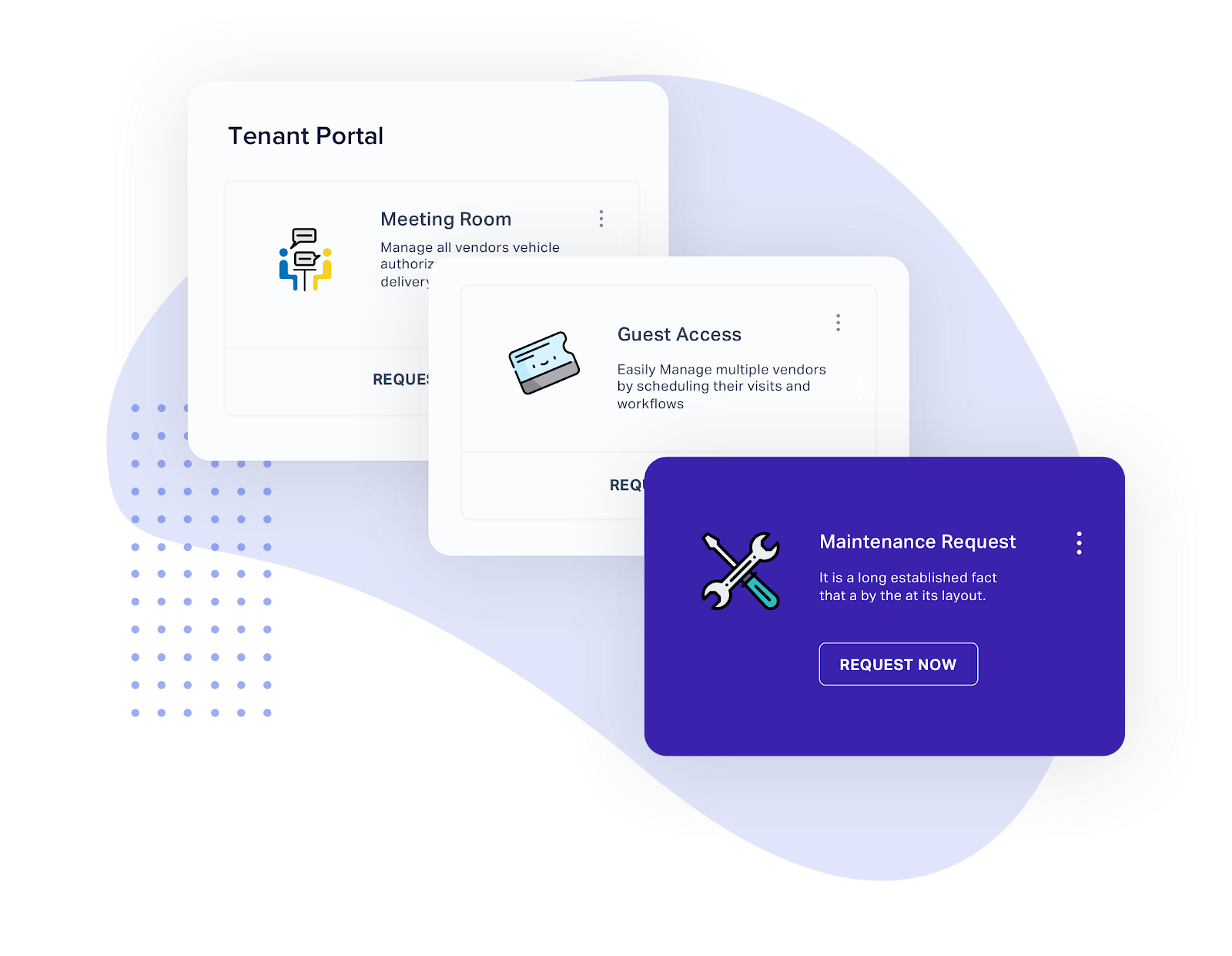
In today’s interconnected digital landscape, the ability to integrate property management software with various platforms and services is crucial for small property owners. Effective integration simplifies processes and enhances the overall management experience, allowing small property managers to focus on their core responsibilities without getting bogged down by administrative tasks. By connecting different software solutions, property managers can streamline operations, improve data accuracy, and ultimately enhance tenant satisfaction.
Seamless integration helps in unifying multiple management aspects, such as accounting, marketing, and communication, into one cohesive system. This not only saves time but also reduces the likelihood of errors that can occur when data is transferred manually between systems. For small property managers, this means fewer headaches and a more efficient workflow, enabling them to dedicate more time to building relationships with tenants and improving property performance.
Accounting Software Integration
Integrating property management software with accounting tools is vital for accurate financial tracking and reporting. It allows for real-time updates on income, expenses, and financial health. With automated entries, property managers can avoid the pitfalls of manual bookkeeping and ensure accurate financial statements.
Marketing Tools Integration
Integrating marketing platforms enables small property managers to effectively reach potential tenants. By connecting property management software with platforms like social media and email marketing tools, property managers can automate listing updates, schedule marketing campaigns, and track engagement metrics. This ultimately enhances visibility and helps in attracting renters more efficiently.
Other Essential Integrations
Beyond accounting and marketing, various other platforms can significantly enhance property management efficiency. Some important integrations include:
- Tenant Screening Services: Fast access to tenant backgrounds helps in making informed leasing decisions.
- Maintenance Management Systems: Direct integration allows tenants to submit maintenance requests, which can be tracked and managed efficiently.
- Payment Processing Solutions: Streamlined payment methods can significantly reduce late payments and improve cash flow.
By leveraging these integration capabilities, small property managers can create a more efficient management environment that fosters better communication, streamlined operations, and improved tenant experiences. As technology continues to evolve, embracing integrated solutions will be paramount to staying competitive in the property management landscape.
The Role of Customer Support in Software Selection
In the realm of property management software, responsive customer support plays a crucial role in ensuring users can navigate challenges effectively. Small property owners, who often juggle multiple responsibilities, depend on reliable support to maximize their software’s potential. The right customer support can enhance user experience and ultimately contribute to the overall effectiveness of the management tools being utilized.The importance of having readily accessible customer support options cannot be overstated.
When property owners face issues, having various support channels can significantly reduce downtime and frustration. The following support options are particularly valuable for small property owners:
Valuable Customer Support Options
A range of support options can make a significant difference for small property owners when navigating property management software. Here are some options that stand out:
- Live Chat: This feature allows users to get instant assistance while they are actively using the software, making it easier to resolve issues on the spot.
- Dedicated Account Managers: Having a personal point of contact can provide tailored support and faster resolutions to specific problems, which is immensely beneficial for small portfolios.
- Email Support: While not as immediate as live chat, efficient email support allows users to articulate their issues clearly and often results in detailed responses.
- Comprehensive Knowledge Base: A well-organized repository of articles, FAQs, and tutorials helps users to find solutions independently at any time.
- Phone Support: Offering direct access to support representatives can be crucial for urgent matters that require immediate attention.
Different software providers vary significantly in their customer support experiences. Some companies prioritize 24/7 support with multiple channels, while others may offer limited hours or fewer options. For example, software like Buildium is known for its responsive live chat and extensive knowledge base, while AppFolio shines with its dedicated account managers who provide personalized assistance. In contrast, platforms with less robust support systems can leave users feeling stranded during critical times.
Responsive customer support is not just a feature; it’s a lifeline for small property owners navigating complex software environments.
Understanding the varying levels of customer support can guide property owners in selecting software that not only meets their operational needs but also offers reliable assistance when challenges arise.
The Impact of Mobile Access on Property Management
Mobile access to property management software has become an essential component for small property owners, allowing them to manage their portfolios efficiently from anywhere at any time. With the increasing reliance on smartphones and tablets, having mobile functionalities not only streamlines operations but also significantly boosts the responsiveness of property management tasks.Mobile functionalities enhance communication and management capabilities for small portfolio owners by enabling instant access to vital information.
Property owners can quickly check tenant inquiries, approve maintenance requests, and monitor rental payments on-the-go. With notifications and real-time updates, property managers can stay informed about their properties, ensuring they can react promptly to any situation.
Benefits of Mobile Access
The advantages of mobile access in property management software for small portfolio owners include improved efficiency, enhanced tenant relations, and increased productivity. By leveraging mobile capabilities, property managers can:
- Access Information Anywhere: Mobile access allows property owners to view essential data, such as tenant information and financial reports, without being tied to an office or desktop computer.
- Streamline Communication: Mobile apps facilitate instant messaging and notifications, making it easier for property owners to communicate with tenants and service providers in real-time.
- Manage Tasks Efficiently: Owners can create, assign, and track tasks while on-site or traveling, ensuring that nothing falls through the cracks.
- Improved Financial Management: With mobile access, property owners can oversee payment collections and expenses instantly, helping them maintain a clear picture of their financial health.
Successful Mobile Applications in Property Management
Several mobile applications have successfully transformed property management practices, providing small property owners with innovative tools to manage their portfolios effectively. For example, apps like Buildium and AppFolio have integrated mobile functionalities that empower users to perform various tasks directly from their smartphones. Features such as online lease signing, maintenance request submissions, and payment processing have made these applications favorites among small property managers.
“The ability to manage properties seamlessly from a mobile device is no longer a luxury but a necessity in today’s fast-paced environment.”
Another noteworthy mention is TenantCloud, which offers a comprehensive mobile application that includes tenant screening, rental payment processing, and maintenance tracking. These real-world examples highlight how mobile access can significantly enhance the operational capabilities of small property owners, making them more efficient and responsive in their management approach.
Regulatory Compliance and Security Features in Software

Navigating the complex landscape of rental laws and data protection regulations is vital for small property managers. Compliance ensures that property owners avoid legal pitfalls while fostering trust with tenants. Property management software can significantly simplify this process by integrating regulatory requirements and security features into its framework.Compliance with local, state, and federal regulations is not merely about avoiding fines; it enhances the reputation of property managers and ensures a smoother operation.
Small property managers must be aware of critical issues such as tenant rights, fair housing laws, and safety regulations. Software solutions can help in this regard by providing updates on changing laws and ensuring that all necessary documentation is prepared and filed correctly.
Critical Compliance Issues Addressed by Software
Various compliance issues confront small property managers daily. Having software that proactively addresses these areas can save time and mitigate risks. Important compliance aspects include:
- Fair Housing Compliance: Ensures that all rental practices follow the Fair Housing Act, safeguarding against discrimination claims.
- Lease Agreements: Helps in drafting standard lease agreements that comply with local laws, ensuring that all necessary clauses are included.
- Safety Inspections: Facilitates scheduling and tracking of mandatory safety inspections and maintenance, such as smoke detector checks.
- Data Protection Laws: Adheres to laws governing tenant data security, such as GDPR or local privacy regulations, safeguarding sensitive information.
Security Features Protecting Sensitive Tenant Data
Protecting tenant and property data is paramount in today’s digital landscape. Software solutions include several security features designed to mitigate risks associated with data breaches and unauthorized access. Key security elements often found in property management software include:
- Data Encryption: Ensures that sensitive information is encrypted both at rest and in transit, making it unreadable to unauthorized users.
- Two-Factor Authentication: Requires an additional verification step for access, enhancing security for user accounts.
- Regular Security Audits: Conducts ongoing assessments to identify and rectify vulnerabilities within the system.
- Secure Payment Processing: Utilizes secure gateways for online payments, protecting financial transactions and tenant information.
Importance of Staying Compliant with Local Regulations
Remaining compliant with local regulations is crucial, as non-compliance can lead to severe repercussions, including fines and legal disputes. Software tools can assist property managers in this endeavor by offering features such as:
- Automated Alerts: Sends notifications about impending regulatory changes, ensuring property managers stay informed.
- Document Management: Centralizes important compliance-related documentation, making it easy to retrieve and present during audits.
- Reporting Tools: Generates reports to demonstrate compliance efforts, aiding in transparency and accountability.
“Investing in property management software not only streamlines operations but also fortifies compliance and security, leading to a more robust property management strategy.”
User Training and Onboarding Processes: Property Management Software For Small Portfolios
Adopting new property management software is an essential step for small property managers looking to streamline their operations and improve efficiency. However, the effectiveness of this software largely hinges on how well users are trained and onboarded. An effective training and onboarding strategy can make all the difference in ensuring that property managers can utilize the software to its fullest potential.Effective user training strategies for small property managers focus on tailored learning experiences that cater to varying skill levels and learning preferences.
These strategies often include a mix of live training sessions, recorded webinars, and self-paced online courses. Incorporating interactive elements such as quizzes or hands-on exercises can significantly enhance comprehension and retention.
Importance of Onboarding Processes
Onboarding processes are critical in ensuring software effectiveness as they provide users with the necessary foundation to navigate the new system confidently. A well-structured onboarding program not only introduces users to the software features but also reinforces best practices for property management tasks.Key components of effective onboarding processes include:
- Initial Setup Guidance: Providing clear instructions for setting up the software, including configuring user accounts, importing current property data, and customizing settings to fit individual portfolios.
- Step-by-Step Tutorials: Offering visual guides or walkthroughs that cover essential tasks, such as managing tenant communications, handling maintenance requests, and generating financial reports.
- Ongoing Support: Establishing a support system that includes access to help desks, community forums, or dedicated account managers who can assist with queries and troubleshooting.
Examples of Successful Training Programs
Several software providers have implemented successful training programs that have helped small property managers transition smoothly to their platforms. For instance, one renowned property management software offers a comprehensive training suite consisting of:
- Live Webinars: Regularly scheduled sessions that provide users with the opportunity to ask questions and receive real-time support from experts.
- Interactive Learning Modules: Self-paced modules that include videos, quizzes, and case studies designed to reinforce learning and encourage practical application.
- User Community Events: Networking events where users can share best practices and learn from each other’s experiences, fostering a sense of community and collaboration.
“Training is not just about learning how to use software; it’s about empowering users to feel confident in their ability to manage properties effectively.”
When small property managers invest time and resources in structured user training and onboarding processes, they are better equipped to leverage their property management software, ultimately leading to improved operational efficiencies and enhanced tenant satisfaction.
Future Trends in Property Management Software for Small Portfolios
The property management software landscape is rapidly evolving, driven by technological advancements and changing market demands. For small property owners, staying ahead of these trends is crucial for maintaining competitive advantage and operational efficiency. Emerging technologies, including artificial intelligence (AI) and automation, promise to reshape the way small property managers operate, enhancing service delivery and streamlining processes.The integration of advanced technologies into property management software is set to transform various aspects of the industry.
With the rise of AI and automation, small property managers can expect significant improvements in efficiency, data analysis, and customer interactions. These technologies allow for smart decision-making and can automate routine tasks, which frees up valuable time for property managers to focus on more strategic activities.
Emerging Technologies Influencing Property Management
Several key technologies are poised to make a significant impact on property management software for small portfolios. Understanding these technologies helps small property managers prepare for future changes and capitalize on new opportunities.
- Artificial Intelligence: AI can analyze historical data to predict tenant behavior, optimize rental pricing, and enhance customer support through chatbots. For instance, AI-driven analytics can offer insights into market trends, allowing managers to make informed decisions about rent adjustments.
- Automation: Automating repetitive tasks such as rent collection and maintenance requests increases operational efficiency. For example, software that automatically sends reminders for rent due dates can significantly reduce late payments.
- Internet of Things (IoT): Integrating IoT devices, such as smart thermostats and security systems, enables property managers to monitor and manage properties remotely, ultimately improving tenant satisfaction and lowering operational costs.
- Blockchain Technology: Blockchain can enhance transparency and security in property transactions by providing a decentralized ledger for lease agreements and payments. This reduces fraud and simplifies record-keeping.
- Mobile Applications: With an increasing reliance on mobile technology, property management software with robust mobile capabilities allows small managers to handle tasks on-the-go, enhancing flexibility and responsiveness to tenant needs.
As the property management landscape continues to evolve, embracing technological advancements is essential for small property owners seeking to streamline operations and enhance tenant experiences.
Understanding these trends is crucial for small property managers aiming to remain competitive. They can prepare for these changes by investing in training to familiarize themselves with new technologies, staying informed about industry developments, and considering software solutions that incorporate these advanced features. By doing so, they can ensure that their businesses are well-equipped to harness the benefits that future technologies will bring.
Closure
In conclusion, adopting the right property management software for small portfolios can significantly transform the way small property owners operate. By understanding their unique needs and leveraging technology designed to address those challenges, they can improve efficiency, enhance tenant satisfaction, and ultimately, increase profitability. As the landscape of property management continues to evolve, staying informed and prepared is key to thriving in this competitive market.
Top FAQs
What features should I look for in property management software?
Look for features such as tenant communication tools, maintenance tracking, payment processing, and mobile access to ensure smooth operations.
Is property management software affordable for small portfolios?
Many options are designed to be cost-effective, offering tiered pricing structures to fit various budgets of small property owners.
Can I use property management software on my mobile device?
Yes, many property management software solutions offer mobile applications that allow you to manage your portfolio on-the-go.
How does property management software improve tenant communication?
Property management software often includes built-in communication tools that help facilitate quick and effective exchanges between landlords and tenants.
What kind of customer support should I expect from software providers?
Look for providers that offer responsive support options such as live chat, phone support, and user forums to assist with any issues you may encounter.