Best property management tools are essential for property owners and managers looking to streamline their operations and enhance tenant satisfaction. With numerous options available, understanding which tools pack the most punch can significantly impact management efficiency. From automation features to exceptional customer support, the right tools can make all the difference in how properties are managed.
This overview explores the key features that define top property management software, compares their functionalities, and highlights the importance of user experience and integration capabilities. By delving into cost analysis and emerging trends in technology, we aim to provide a comprehensive understanding of the landscape of property management solutions.
Understanding the Essential Features of the Best Property Management Tools
In the ever-evolving real estate landscape, selecting the right property management tools can be a game changer for property managers. These tools not only streamline operations but also enhance the overall experience for both managers and tenants. Identifying the key features that define these tools is essential for making an informed decision that caters to specific property management needs.When evaluating property management tools, several essential features stand out.
These features are designed to improve both management efficiency and tenant satisfaction, creating a harmonious living environment. Below are the critical characteristics that top property management tools typically exhibit:
Key Features of Property Management Tools
The functionality of property management tools can vary widely. However, there are several core features that are crucial for effective property management, which include:
- Tenant and Lease Tracking: This feature allows managers to keep detailed records of tenants, lease agreements, and expirations. By having this information readily available, property managers can ensure timely renewals and maintain occupancy rates.
- Online Rent Collection: Enabling tenants to pay rent online simplifies the payment process, reduces late payments, and enhances tenant satisfaction. Tools that offer multiple payment methods, like credit cards and ACH transfers, provide flexibility for tenants.
- Maintenance Management: A robust maintenance management system allows tenants to submit requests easily while ensuring that property managers can track, prioritize, and resolve issues promptly. This leads to improved tenant satisfaction and longer lease terms.
- Accounting Features: Comprehensive accounting functionalities, including expense tracking, financial reporting, and tax preparation features, help managers maintain sound financial health and comply with regulations.
- Communication Tools: Effective communication channels, such as in-app messaging and announcements, help keep tenants informed about important updates, fostering a sense of community and trust.
- Reporting and Analytics: Detailed reporting and analytics tools provide insights into property performance, helping managers identify trends, optimize operations, and make data-driven decisions.
These features collectively enhance management efficiency by automating routine tasks and enabling real-time data access. For example, with effective tenant tracking, managers can proactively reach out to tenants whose leases are about to expire, leading to higher retention rates.
Popular Property Management Tools and Their Standout Features
Several property management tools have gained prominence due to their robust features tailored to meet the diverse needs of property managers. Below are some notable examples:
- Buildium: Known for its user-friendly interface, Buildium offers comprehensive tenant and lease tracking, along with an excellent maintenance management system. Its online rent collection feature is seamless, making it a favorite among property managers.
- AppFolio: AppFolio stands out with its mobile app capabilities, allowing managers to handle property management tasks on the go. Its marketing features also enable property managers to attract potential tenants effectively.
- TenantCloud: This platform is particularly strong in accounting features and offers a free tier that is suitable for smaller landlords. The ability to sync bank accounts and track expenses helps users maintain financial transparency.
- Propertyware: Geared towards larger property management companies, Propertyware offers advanced reporting and analytics, allowing for deep insights into property performance. Its customizable features cater to specific management needs.
The selection of the right property management tool is crucial for enhancing operational efficiency and tenant satisfaction. By leveraging these essential features, property managers can create a more organized, responsive, and tenant-friendly living environment.
Comparing Different Types of Property Management Software
In the diverse landscape of property management, selecting the right software can significantly impact efficiency and productivity. Various types of property management software cater to different needs, from simple task management to comprehensive solutions that integrate multiple functionalities. Understanding these software categories helps property managers make informed decisions regarding which tools best suit their operational demands.Property management software can be broadly classified into several types, each with its unique features and capabilities.
Here’s a breakdown of the most prominent categories along with their pros and cons.
Types of Property Management Software, Best property management tools
The following categories highlight the diversity of tools available, focusing on usability and functionality.
| Software Type | Pros | Cons |
|---|---|---|
| Cloud-Based Solutions |
|
|
| Desktop Software |
|
|
| Integrated Platforms |
|
|
| Mobile Apps |
|
|
The appropriate choice of property management software depends on specific business needs, size, and budget constraints. Each type offers distinct advantages and disadvantages, making it vital for managers to assess their priorities before making a selection. Emphasizing usability and functionality ensures that property management tasks are streamlined, potentially leading to enhanced tenant satisfaction and better overall management efficiency.
The Role of Automation in Property Management Tools
Automation is a game-changer in the realm of property management, significantly streamlining operations for property managers. With the increasing demands on property management professionals, automation features allow them to handle time-consuming tasks efficiently, helping to enhance productivity and reduce errors. By integrating automation into their workflows, property managers can focus on strategic decision-making while leaving repetitive tasks to technology.Automation in property management tools covers a wide range of functionalities that can greatly improve efficiency and service delivery.
By automating routine processes, property managers can save time, reduce operational costs, and improve tenant satisfaction. Here are some of the key tasks that can be automated:
Specific Tasks That Can Be Automated
Several essential tasks in property management can be automated to enhance operational efficiency. Understanding these tasks can help property managers recognize the benefits of adopting automation technologies. The following are notable examples:
- Rent Collection: Automating rent collection through online payment systems ensures timely payments and reduces the need for manual tracking.
- Maintenance Requests: Automation allows tenants to submit maintenance requests through an online portal, which can then be automatically routed to the appropriate service personnel for resolution.
- Lease Renewals: Automated reminders for lease renewals ensure that property managers and tenants are informed in advance, mitigating the risk of lapses in agreements.
- Tenant Screening: Automation tools can facilitate tenant screening processes by quickly evaluating applications based on predefined criteria, thus speeding up leasing decisions.
- Reporting and Analytics: Automated reporting features provide real-time insights into property performance, making it easier for managers to identify trends and make informed decisions.
The benefits of automating these tasks include improved accuracy, enhanced tenant experiences, and significant time savings for property managers.
Tools with Excellent Automation Capabilities
Several property management tools stand out for their superior automation capabilities, providing users with efficient solutions to manage their properties effectively. These tools incorporate advanced technology that simplifies various aspects of property management:
- Buildium: Buildium offers a comprehensive suite of automation features, including online rent collection, automated maintenance tracking, and detailed financial reporting tools that keep property managers informed and proactive.
- AppFolio: AppFolio excels in automating tenant communications and maintenance workflows, allowing property managers to handle requests and notifications seamlessly.
- TenantCloud: TenantCloud provides an all-in-one platform where property managers can automate rent collection, send reminders, and generate reports, all from a user-friendly interface.
- Propertyware: Propertyware’s automation features enable effective lease management and tenant screening, ensuring that property managers can maintain compliance effortlessly.
“By leveraging automation, property managers can transform their operations, focusing on growth and tenant satisfaction rather than mundane administrative tasks.”
Incorporating automation into property management not only streamlines operations but also positions property managers to provide higher levels of service to their tenants. The integration of such tools into daily workflows ultimately leads to better management outcomes and a more efficient property management experience.
Evaluating User Experience in Property Management Solutions
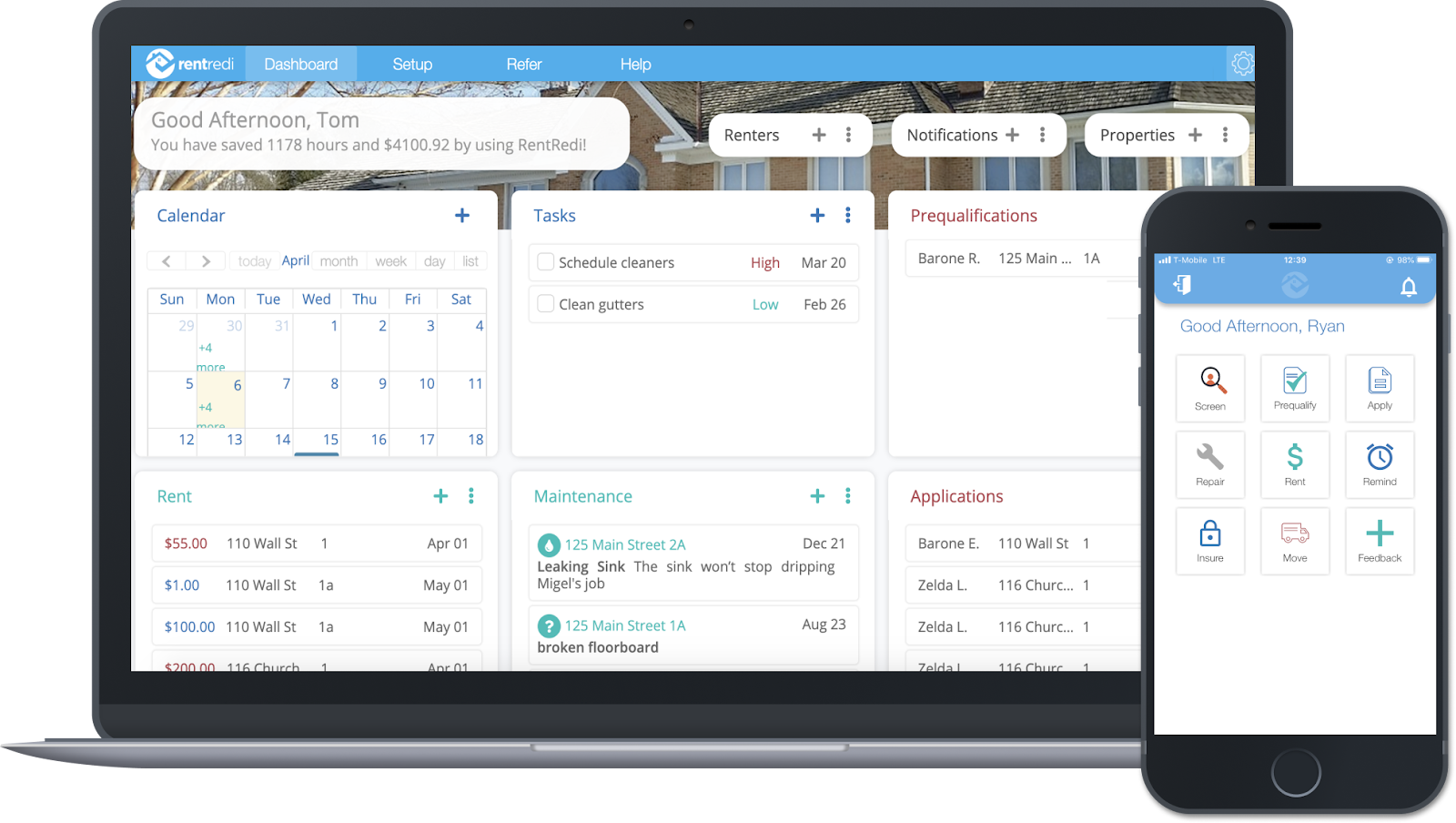
Selecting the right property management tool goes beyond just features and pricing; user experience (UX) plays a crucial role in ensuring efficiency and satisfaction for both property managers and tenants. A well-designed tool enhances productivity, minimizes errors, and promotes user engagement, making it essential to evaluate UX before making a decision.Usability and interface design significantly impact how effectively users interact with property management software.
A tool that is intuitive and easy to navigate can save time, reduce frustration, and lead to better overall performance. Here are some key criteria for assessing usability and interface design in property management solutions:
Criteria for Assessing Usability and Interface Design
When evaluating property management tools, it’s important to consider various factors that contribute to a positive user experience. Focusing on the following criteria can help determine how user-friendly a software solution is:
- Intuitive Navigation: The layout should allow users to find features and functionalities easily, contributing to a smoother workflow.
- Responsive Design: A tool must work seamlessly across different devices, including desktops, tablets, and smartphones, ensuring accessibility on the go.
- Visual Appeal: A clean and organized interface can improve usability, making it easier for users to focus on their tasks without distractions.
- Customizability: Users should have the option to tailor the interface to their preferences, whether it’s adjusting dashboards or setting up alerts.
- Help and Support Resources: Accessible tutorials, FAQs, and customer support are vital for assisting users when they encounter challenges.
Collecting user feedback and reviews provides invaluable insights into the practical experiences of those using property management tools. Observations from various platforms often highlight strengths and weaknesses. Below are some common points noted by users in their feedback:
User Feedback and Reviews
Understanding how real users perceive a property management tool can greatly influence your decision-making process. User reviews often reveal common themes regarding functionality and satisfaction:
- Many users appreciate intuitive dashboards that simplify complex processes.
- Customers frequently mention speed and responsiveness as key advantages of top-rated tools.
- Some users express frustration with lack of mobile functionality, emphasizing the need for mobile-friendly solutions.
- Positive reviews often highlight the quality of customer support, while negative feedback may point to slow response times or unresolved issues.
- Users often recommend tools that offer robust reporting features, allowing them to analyze performance effectively.
“A user-friendly interface can turn a cumbersome task into a streamlined process, enhancing overall satisfaction with property management.”
Understand how the union of residential management software can improve efficiency and productivity.
Evaluating user experience is essential when selecting property management solutions, as it ultimately influences the efficiency and satisfaction of both managers and tenants.
Integration Capabilities of Property Management Systems

Integration capabilities are a critical aspect of property management systems, as they allow for seamless interaction with various tools and software essential for efficient operations. Having a property management solution that integrates well with other platforms can greatly enhance productivity, reduce manual workload, and streamline communication among stakeholders. This interconnectedness is vital in ensuring that property managers can effectively handle tasks ranging from tenant communication to financial management.Integrating property management systems with other software can significantly enhance their functionality.
These integrations allow for better data management, improved reporting, and a more cohesive workflow. For instance, connecting your property management software with accounting tools can automate financial processes, ensuring that income and expenses are accurately tracked without the need for manual entry. Furthermore, integrations with marketing platforms can facilitate tenant acquisition strategies and improve occupancy rates.
Common Integrations in Property Management
Many property management tools come equipped with integration capabilities that enhance the efficiency of various tasks. Below are some common integrations that property management systems typically support:
- Accounting Software: Connecting with platforms like QuickBooks or Xero enables automatic synchronization of financial data, simplifying bookkeeping and reporting processes.
- Tenant Screening Services: Integrating with services such as TransUnion or Experian allows for seamless tenant background checks, credit evaluations, and rental history assessments, making the leasing process more efficient.
- Maintenance Management Tools: Integrations with tools like RepairShopr or MaintenX streamline maintenance requests and tracking, improving tenant satisfaction through timely service responses.
- Payment Processing Platforms: Systems like PayPal, Stripe, or Zelle facilitate online rent payments, enabling tenants to pay easily and enhancing cash flow for property managers.
- Marketing and Listing Services: Integration with platforms like Zillow, Apartments.com, or Craigslist allows for automated listing updates and enhanced visibility to potential tenants.
The ability to incorporate these tools effectively into a property management system not only saves time but also enhances the quality of service provided to tenants and owners alike. Adopting a versatile property management platform that supports these integrations can lead to improved operational efficiency and service delivery, ultimately contributing to the success of property management businesses.
Cost Analysis of the Best Property Management Tools
When it comes to property management tools, understanding the cost is crucial for making an informed decision. The pricing of these tools can vary significantly based on features, user capacity, and the type of subscription model, whether it is monthly, annual, or a one-time payment. Analyzing costs not only helps in budgeting but also in assessing the potential return on investment (ROI).Several factors influence the pricing of property management tools.
These can include the level of automation offered, the number of properties managed, customer support availability, and additional features such as tenant screening, accounting, and maintenance tracking. It’s essential to weigh these factors against the expected benefits.
Investigate the pros of accepting real estate erp in your business strategies.
Cost Breakdown of Property Management Tools
To provide a clearer picture of costs associated with various property management tools, here’s a comparative table showcasing the pricing tiers of multiple popular solutions:
| Property Management Tool | Pricing Model | Starting Price | Key Features |
|---|---|---|---|
| AppFolio | Monthly Subscription | $1.25 per unit/month | Online rent payments, tenant screening, maintenance tracking |
| Buildium | Monthly Subscription | $50/month for up to 15 units | Lease tracking, accounting, tenant portal |
| TenantCloud | Freemium Model | Free for up to 1 unit; $12/month for premium | Payment processing, tenant management, maintenance requests |
| Rentec Direct | Annual Subscription | $10/month for a single user | Marketing tools, accounting, tenant screening |
Evaluating the pricing of these tools involves looking beyond the initial costs. Potential ROI can be assessed by considering time saved through automation and improved tenant satisfaction due to efficient management. Additionally, cost savings from reduced vacancies and streamlined processes can also significantly impact the overall value derived from investing in a property management tool.
“Investing in the right property management tool can yield substantial time and cost savings, transforming property management into a more efficient and profitable venture.”
Browse the implementation of property management software for small business in real-world situations to understand its applications.
The Importance of Customer Support in Property Management Tools
In the fast-paced realm of property management, having robust customer support features is essential for ensuring smooth operations. Property management tools are designed to streamline various tasks, but without effective support, users may find themselves struggling to maximize the software’s potential. This segment delves into the critical aspects of customer support within property management tools and explores how they can significantly impact user satisfaction and overall effectiveness.
Crucial Customer Support Features
When evaluating property management software, the presence of comprehensive customer support features can greatly enhance user experience. The following aspects are vital for effective customer support in property management tools:
- 24/7 Availability: Round-the-clock support ensures that users can get assistance whenever they encounter issues, reducing downtime and frustration.
- Multiple Communication Channels: Providing support through various channels such as phone, email, live chat, and even social media caters to user preferences and improves accessibility.
- Knowledge Base and FAQs: A well-organized knowledge base allows users to find answers to common questions independently, empowering them to resolve minor issues quickly.
- Training and Onboarding: Offering training sessions or tutorials helps users understand the software better, ensuring they can utilize all features effectively from the start.
- Response Time: Quick response times indicate that the support team values the users’ time and is committed to resolving their issues efficiently.
Impact of Effective Customer Support on User Satisfaction
The quality of customer support directly influences user satisfaction, which, in turn, affects the overall effectiveness of property management tools. When users receive timely and helpful assistance, they feel more confident in utilizing the software’s features. This confidence not only enhances their productivity but also fosters a positive sentiment towards the software provider. For instance, a property management firm that reported a 30% increase in user satisfaction attributed this improvement to the implementation of a dedicated support team that was responsive and knowledgeable.
“The level of support we’ve received transformed our experience with the software. Issues that once took days to resolve are now handled in minutes.”
Property Manager, Urban Estates
Case Studies Highlighting Support Effectiveness
Numerous real-life cases demonstrate the significant impact of customer support on user experience. One notable example is a property management company that struggled with tenant communication through their software. After integrating a live chat feature and enhancing their customer support response times, they experienced a 50% decrease in tenant complaints and a notable improvement in tenant retention rates.Another case involved a user who encountered technical difficulties during a critical rental period.
With 24/7 support, the team was able to quickly address the issue, allowing the user to resume operations without significant disruption. This level of support can make a substantial difference in maintaining client relations and ensuring smooth business continuity.In summary, the importance of customer support in property management tools cannot be overstated. It plays a pivotal role in enhancing user satisfaction, improving tool effectiveness, and fostering successful property management operations.
Future Trends in Property Management Technology
The landscape of property management is evolving rapidly, influenced by advances in technology and changing tenant expectations. As we look toward the future, several emerging trends are shaping the way property management tools operate, making processes more efficient and enhancing overall effectiveness. By understanding these trends, property managers can better adapt to the needs of the market and leverage innovative solutions to stay competitive.One of the pivotal trends is the integration of artificial intelligence (AI) and machine learning (ML) in property management tools.
These technologies are increasingly being utilized to automate repetitive tasks, analyze data for better decision-making, and enhance tenant engagement. AI-driven chatbots, for instance, can provide instant responses to tenant inquiries, improving communication and satisfaction.
Emergence of IoT in Property Management
The Internet of Things (IoT) is revolutionizing property management by enabling real-time monitoring and management of properties. IoT devices, such as smart thermostats, security cameras, and occupancy sensors, allow property managers to track conditions and optimize resource use. For example, smart thermostats can learn tenant habits and adjust heating or cooling automatically, leading to significant energy savings and improved comfort.
Security devices can offer remote monitoring capabilities, enhancing security while allowing for easier management of multiple properties.The implications of IoT adoption in property management are profound, as they enable proactive maintenance, reduce operational costs, and improve tenant retention through enhanced living experiences.
Utilization of Big Data for Decision-Making
The use of big data analytics in property management is becoming increasingly significant. Property managers are now able to gather and analyze vast amounts of data from various sources, providing insights that drive strategic decisions. This data can range from market trends and tenant preferences to operational metrics and financial performance. For example, predictive analytics can help identify when a property might experience maintenance issues, allowing managers to address problems before they escalate.
By utilizing data effectively, property management can be transformed, leading to better resource allocation, enhanced marketing strategies, and ultimately, improved profitability.
Expansion of Cloud-Based Solutions
Cloud technology is reshaping property management by offering scalable, flexible solutions that can be accessed from anywhere. Cloud-based property management software provides real-time data access and collaboration capabilities for property managers, owners, and tenants.This trend is particularly beneficial for remote teams or those managing multiple properties across different locations. For instance, platforms such as AppFolio and Buildium allow users to manage property listings, tenant applications, and financial tracking all in one place, streamlining operations and enhancing productivity.The shift to cloud-based systems not only enhances accessibility but also improves data security and reduces reliance on on-site infrastructure, which can be costly and challenging to maintain.
Growing Importance of Sustainability Features
Sustainability is becoming a cornerstone in property management as both tenants and owners increasingly prioritize eco-friendly practices. Many property management tools are beginning to incorporate features that promote sustainability, such as energy tracking dashboards and waste management systems.These features allow property managers to monitor energy consumption, identify inefficiencies, and implement strategies to reduce carbon footprints. For example, property management platforms like Yardi Voyager provide tools for tracking and reporting on energy usage, helping managers make informed decisions that align with sustainability goals.By embracing sustainability, property managers not only contribute to environmental conservation but also attract a growing demographic of environmentally conscious tenants.
Conclusion

In summary, the best property management tools not only simplify daily tasks but also foster better relationships with tenants and maximize revenue. By evaluating features, costs, and user experiences, property managers can make informed decisions that lead to more effective operations. Staying abreast of future trends also ensures that these tools evolve to meet changing demands, securing a brighter future for property management.
FAQ Summary: Best Property Management Tools
What are the key features to look for in property management tools?
Look for features such as tenant communication, lease tracking, maintenance requests, financial reporting, and automation capabilities.
How can automation improve property management?
Automation can reduce manual tasks, streamline communication, and enhance efficiency in handling maintenance requests and rent collection.
Are there free property management tools available?
Yes, some software offers free versions with basic features, though they may lack advanced functionalities found in paid versions.
How important is customer support in selecting property management software?
Effective customer support is crucial as it ensures prompt assistance with any issues, contributing to overall user satisfaction and tool effectiveness.
What are the costs associated with property management tools?
Costs can vary widely based on features and subscription plans, ranging from free to several hundred dollars per month depending on functionality.