Real estate software for landlords is revolutionizing the way property owners manage their investments. With the growing complexities of property management, having specialized software can make a world of difference in efficiency and effectiveness. From tenant communication to payment tracking, these tools are designed to streamline operations, allowing landlords to focus on optimizing their rental income instead of getting bogged down by administrative tasks.
Landlords who choose to embrace technology can tackle various challenges, such as late payments, tenant disputes, and maintenance issues, with greater ease. By integrating key features like automation, user-friendly interfaces, and comprehensive reporting, real estate software not only simplifies daily operations but also enhances the overall tenant experience. Ultimately, these tools empower landlords to be proactive in their management strategies, ensuring sustainable growth and tenant satisfaction.
Understanding the Importance of Real Estate Software for Landlords

In an ever-evolving rental market, the role of technology in property management cannot be overstated. With increasing demands from tenants and a growing number of properties to manage, landlords are turning to specialized real estate software to streamline their operations. This software is designed to help landlords manage their properties more efficiently, ultimately leading to increased profitability and tenant satisfaction.Landlords face a myriad of challenges when managing their properties without dedicated software.
Manual processes can lead to disorganization, missed payments, and a lack of communication with tenants. For example, tracking rent payments often requires tedious data entry and paper-based systems, which can easily result in errors. Furthermore, landlords may struggle with maintaining clear records of maintenance requests, tenant communications, and financial reports, making it difficult to assess property performance accurately. The absence of real estate software can significantly hinder a landlord’s ability to make informed decisions, manage cash flow, and respond promptly to tenant needs.
Key Features of Real Estate Software for Landlords
When considering real estate software, landlords should focus on key features that enhance property management and improve operational efficiency. A comprehensive software solution will typically encompass the following functionalities:
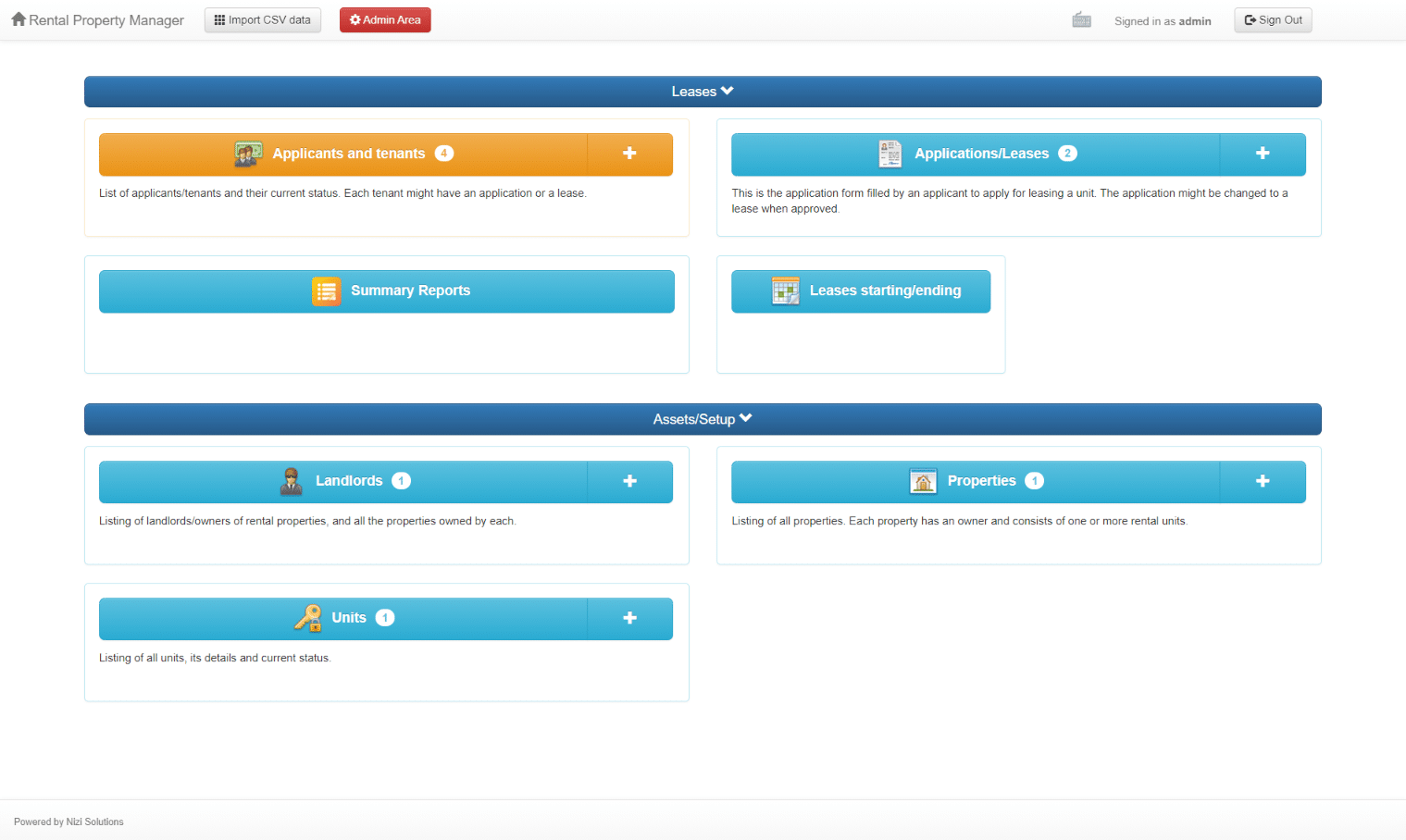
- Tenant and Lease Tracking: Keeping detailed records of tenants, lease agreements, and important dates, such as lease renewals and expirations, helps landlords avoid potential gaps in tenancy.
- Automated Rent Collection: Features that facilitate online rent collection streamline the payment process and reduce late payments, benefiting both landlords and tenants.
- Maintenance Management: A built-in system for tracking maintenance requests and scheduling repairs ensures that properties remain in good condition and tenants are satisfied.
- Financial Reporting: Robust reporting tools provide insights into income, expenses, and overall property performance, allowing landlords to make data-driven decisions.
- Communication Tools: Effective communication platforms allow landlords to interact with tenants easily, addressing concerns and updates promptly.
Implementing real estate software not only simplifies the management process but also enhances the overall experience for both landlords and tenants. By leveraging technology, landlords can focus on growing their property portfolio while maintaining high standards of service and efficiency.
Do not overlook the opportunity to discover more about the subject of property management software for small portfolios.
“In the competitive real estate landscape, adopting technology is no longer optional; it’s essential for success.”
Key Features to Look for in Real Estate Software for Landlords
In today’s dynamic rental market, having the right real estate software can make all the difference for landlords. From managing tenants to tracking payments and addressing maintenance requests, these tools streamline operations and enhance efficiency. Landlords should look for software that not only meets their needs but also simplifies their daily tasks, ultimately improving tenant satisfaction and retention.A comprehensive software solution includes several essential features that facilitate effective management of rental properties.
These functionalities allow landlords to maintain organization and provide a better experience for their tenants.
Must-Have Functionalities
The following features are crucial for landlords seeking effective real estate software:
- Tenant Management: This feature allows landlords to keep detailed profiles of each tenant, including contact information, lease agreements, and history of interactions. Efficient tenant management helps ensure timely communication and fosters better relationships.
- Payment Tracking: Real estate software should provide automated systems for tracking rent payments, sending reminders for upcoming due dates, and generating reports on payment history. This functionality reduces late payments and streamlines accounting processes.
- Maintenance Request Handling: A robust platform will enable tenants to submit maintenance requests easily. Landlords can track these requests, assign tasks to contractors, and maintain records of completed work, ensuring properties are well-maintained and tenants are satisfied.
- Accounting and Reporting: Effective real estate software features integrated accounting tools that manage income and expenses, generate financial reports, and handle tax documentation. This simplifies financial oversight and planning for landlords.
- Marketing Tools: Software equipped with marketing capabilities allows landlords to advertise vacant properties across various platforms. Features like listing management, tenant screenings, and lease applications streamline the tenant acquisition process.
When considering different software options, it’s essential to compare their functionalities and usability. Some popular real estate software options include:
| Software | Key Features | Usability |
|---|---|---|
| Buildium | Tenant management, online payments, maintenance tracking, accounting, marketing tools | User-friendly interface, mobile app available |
| AppFolio | Tenant portals, automated payment reminders, maintenance requests, accounting features | Modern design, easy to navigate |
| Rentec Direct | Accounting, tenant screening, maintenance management, marketing features | Intuitive layout, extensive support resources |
“Choosing the right real estate software can significantly reduce the workload for landlords and enhance the tenant experience.”
By selecting software that encompasses these essential functionalities, landlords can create a more organized and efficient management system, ultimately leading to better property performance and tenant satisfaction.
The Role of Automation in Real Estate Management
Automation has become a game-changer in the world of real estate management, especially for landlords juggling multiple properties. By implementing automated systems, landlords can streamline their property management tasks, ensuring efficiency and reducing potential for human error. The benefits of automation extend beyond mere convenience; they significantly enhance overall operational effectiveness.One of the key areas where automation shines is in property management tasks such as scheduling, invoicing, and reminders.
Automating these tasks not only saves time but also minimizes the likelihood of missed appointments or overdue payments. For instance, landlords can set up automatic invoicing, which ensures tenants receive their rent reminders on time without any manual intervention. Additionally, automated scheduling tools can help in organizing property inspections or maintenance requests seamlessly, alleviating the stress of coordinating these activities.
Benefits of Automation in Tenant Communication, Real estate software for landlords
Effective communication is crucial in maintaining tenant satisfaction, and automation plays a pivotal role in this area. Automated systems can facilitate timely responses to tenant inquiries, ensuring that concerns are addressed promptly. This leads to a more positive tenant-landlord relationship and fosters trust.Consider the following automated communication strategies that can enhance tenant satisfaction:
- Automated SMS and Email Notifications: Landlords can send reminders for rent due dates, maintenance schedules, and community announcements directly through automated text messages or emails, keeping tenants well-informed.
- Feedback Collection: Automated surveys can be sent to tenants after maintenance work has been completed to gather feedback on the service quality, allowing landlords to improve their processes based on tenant input.
- Maintenance Requests: Tenants can submit maintenance requests through automated systems that log the issue and notify the landlord immediately, ensuring timely resolution.
Automating these tasks not only saves landlords valuable time but also fosters a proactive approach to tenant management. By utilizing technology, landlords can focus on strategic growth rather than being bogged down by administrative duties.
“Automation in property management turns routine tasks into seamless processes, allowing landlords to devote more time to enhancing tenant experiences.”
Examples of tasks that can be automated include:
Lease Renewals
Understand how the union of property management software for small business can improve efficiency and productivity.
Automating lease renewal notices ensures that all parties are aware well in advance, reducing gaps in occupancy.
Payment Processing
Automated systems can handle rent collection, allowing for options such as direct deposit or online payment gateways, which simplifies the payment process for both landlords and tenants.
Document Management
Automating the organization of documents such as leases, invoices, and maintenance records can significantly reduce the time spent searching for important paperwork.By integrating these automated systems, landlords can operate more efficiently, maintain better communication with tenants, and ultimately enhance their overall property management experience.
Analyzing Cost vs. Benefits of Real Estate Software for Landlords
Adopting real estate software can feel like a significant investment upfront, but understanding the costs associated with implementation versus the benefits gained is crucial for landlords. This analysis helps in making informed decisions that can ultimately enhance property management efficiency and profitability.The costs associated with implementing real estate software can vary widely based on factors like the size of the property portfolio, the complexity of features, and the vendor chosen.
Typical expenses may include:
- Software Licensing Fees: Many software solutions operate on a subscription model, with monthly or annual fees that can range from $20 to several hundred dollars per month, depending on the features offered.
- Initial Setup Costs: These may involve data migration, software installation, and staff training, potentially costing anywhere from a few hundred to several thousand dollars.
- Ongoing Support and Maintenance: Regular updates and customer support can incur additional costs. Budgeting for these ongoing expenses is essential to ensure smooth operation.
- Potential Hardware Upgrades: Depending on the software requirements, landlords may need to upgrade their hardware, leading to further investment.
Despite these costs, the long-term savings and efficiency gains can significantly outweigh the initial expenditure. Implementing real estate software can streamline operations, reduce manual tasks, and enhance decision-making processes. Consider the following examples of benefits realized through software adoption:
Long-term Savings and Increased Rental Income
Investing in real estate software can lead to substantial long-term savings through improved efficiency and better tenant management. Software can automate various tasks such as rent collection, tenant screening, and maintenance requests. This automation reduces the time spent on administrative duties, allowing landlords to focus on maximizing their rental income.For instance, landlords using property management software can report a reduction in vacancies by up to 15%, as the software helps to market properties effectively, schedule viewings, and follow up with prospective tenants promptly.
Enhanced marketing capabilities can include virtual tours, engaging listings, and automated email campaigns that reach potential tenants quickly.Moreover, software can improve tenant retention by providing a seamless communication channel for maintenance requests and updates. A satisfied tenant is less likely to move out, which translates to improved occupancy rates and stable cash flow. Another notable example is a landlord who invested in a comprehensive property management system and reported a 20% increase in rental income within the first year.
This growth resulted from better pricing strategies enabled by analytics tools within the software, along with data-driven decisions regarding lease renewals and tenant incentives.In summary, while the initial costs of purchasing and implementing real estate software may seem high, the potential for substantial long-term savings and increased rental income makes it a worthwhile investment for landlords aiming to enhance their property management effectiveness and profitability.
The Impact of Real Estate Software on Tenant Relations: Real Estate Software For Landlords
Real estate software plays a pivotal role in enhancing the relationship between landlords and tenants. By streamlining communication and providing various engagement tools, such software creates a more harmonious living experience for tenants while allowing landlords to manage their properties more effectively. The integration of real estate software fosters improved communication channels that address tenant needs promptly. Features such as tenant portals, automated notifications, and feedback systems significantly enhance tenant relations.
These tools not only facilitate easy access to information but also empower tenants to engage actively with their landlords.
Enhancing Communication and Engagement
Real estate software provides several features that directly improve tenant engagement and communication. Here are some key aspects:
- Tenant Portals: Secure online portals allow tenants to access their lease agreements, maintenance requests, and payment history anytime. This transparency builds trust and keeps tenants informed.
- Automated Notifications: Automated reminders for rent due dates or maintenance schedules ensure that tenants are always in the loop, reducing the likelihood of misunderstandings.
- Feedback Systems: Built-in feedback mechanisms enable tenants to easily voice concerns or suggestions. This direct line of communication shows tenants that their opinions are valued, which can enhance satisfaction.
Implementing these features has proven beneficial. For example, a property management company in Chicago reported a 30% increase in tenant retention after introducing a tenant portal that streamlined communication and allowed for easier reporting of maintenance issues. This case highlights the effectiveness of software in fostering a positive relationship between landlords and tenants.
The integration of real estate software fosters improved communication that addresses tenant needs promptly.
Testimonials from tenants confirm the positive impact of these tools. One tenant noted, “Since my landlord adopted the new software, I can easily report issues and see when they’re resolved. It feels great to know that my concerns are being heard.” Such feedback underscores how real estate software can transform tenant experiences, leading to stronger relationships and higher satisfaction rates.
Evaluating Popular Real Estate Software Options for Landlords
As the real estate landscape evolves, landlords are increasingly turning to software solutions to streamline their property management tasks. With numerous options available, it’s essential to evaluate the most popular software to determine which best suits individual needs. This assessment will highlight the pros and cons of the top three real estate software solutions, examine user experiences, and identify unique selling points that may appeal to diverse landlord profiles.
Comparative Analysis of Top Real Estate Software
Understanding the strengths and weaknesses of each software solution can aid in making an informed choice. Below is a comparative table that Artikels the pros and cons of the three leading real estate software options for landlords.
| Software | Pros | Cons |
|---|---|---|
| Buildium |
|
|
| AppFolio |
|
|
| TenantCloud |
|
|
User experiences and reviews indicate that landlords have found Buildium particularly effective for larger portfolios due to its comprehensive features. Many users appreciate the software’s financial reporting tools, which simplify budgeting and expense tracking. However, some express concerns about the higher costs associated with its advanced features.AppFolio receives praise for its mobile capabilities, allowing landlords to manage properties while on the move.
Users often highlight the seamless tenant screening process as a significant advantage. However, the learning curve can be a deterrent for users new to such technology.TenantCloud is often recommended for small landlords because of its wallet-friendly prices and solid customer support. While some users feel that the feature set is limited compared to other software, the ease of use and cost-effectiveness make it appealing for those with fewer properties.Overall, each software has unique selling points that cater to different landlord needs, whether it’s robust features, mobile accessibility, or affordability.
Choosing the right software depends on the specific requirements of the landlord’s portfolio and management style.
The Future of Real Estate Software in Property Management

The landscape of real estate software for landlords is rapidly evolving, influenced by new technologies and emerging trends. As the demand for more efficient property management solutions grows, landlords must stay informed about the tools and innovations that can streamline their operations and enhance tenant experiences. This exploration delves into what the future holds for real estate software and the important developments landlords should anticipate.Advancements in technology, particularly in Artificial Intelligence (AI) and smart home integrations, are set to change how landlords manage their properties.
AI is enabling more sophisticated data analysis, predictive maintenance, and personalized tenant interactions. Smart home technologies are enhancing security and convenience, making properties more attractive to potential tenants. As these advancements continue to develop, landlords need to be proactive in adapting to ensure they leverage these tools effectively.
Find out about how real estate erp systems can deliver the best answers for your issues.
Emerging Trends in Real Estate Software
Staying ahead in property management means understanding the latest trends in real estate software. Here are some key movements shaping the future:
- Artificial Intelligence: AI is becoming integral in automating routine tasks such as rent collection and maintenance requests. It can analyze tenant behavior and predict potential issues, allowing landlords to address them proactively.
- Smart Home Technology: Integrations with smart home devices enhance the living experience and security for tenants, making properties more desirable. Features like smart locks, thermostats, and lighting can be managed through a landlord’s software platform.
- Data Analytics: Enhanced data analytics tools provide landlords with deeper insights into market trends, tenant preferences, and property performance, enabling more informed decision-making.
- Mobile Accessibility: As property management moves to mobile platforms, landlords can manage properties on-the-go, making it easier to respond to tenant needs and access real-time information.
- Cloud-Based Solutions: Cloud technology allows for better data storage and accessibility, ensuring that landlords can easily access information from anywhere, fostering collaboration among team members.
“The future of property management software is not just about efficiency; it’s about creating a seamless experience for landlords and tenants alike.”
Landlords should keep an eye on these trends as they evaluate new software options. With the integration of AI and smart technologies, property management software is becoming more intuitive, helping landlords to not only manage their assets more efficiently but also to enhance tenant satisfaction significantly.
Final Thoughts
In summary, the adoption of real estate software for landlords is not merely a trend but a necessity in today’s fast-paced market. By leveraging technology, landlords can overcome traditional management hurdles, improve tenant relations, and boost their overall efficiency. As the landscape of property management continues to evolve, staying informed about the latest software solutions will be crucial for landlords looking to thrive in their endeavors.
FAQ Guide
What are the benefits of using real estate software?
Real estate software helps streamline operations, improve tenant relationships, and enhance financial tracking, ultimately saving time and increasing efficiency.
How much does real estate software typically cost?
Costs can vary widely based on features and complexity, ranging from free options to monthly subscriptions that can exceed several hundred dollars, depending on the scale of usage.
Can real estate software help with tenant screening?
Yes, many real estate software solutions include tenant screening features that assist landlords in assessing potential tenants through background checks and credit evaluations.
Is it easy to switch to a new real estate software?
Most real estate software providers offer customer support for data migration and setup, making it feasible for landlords to transition with minimal disruption.
Can I access real estate software on mobile devices?
Many real estate software options offer mobile applications or responsive web interfaces, allowing landlords to manage their properties on the go.