Office hoteling software stands at the intersection of technology and productivity, revolutionizing how we manage our workspaces. As companies navigate the shifting dynamics of modern work environments, this innovative software enables flexible workspace arrangements that cater to diverse employee needs. From its humble beginnings to its current sophisticated iterations, office hoteling software has evolved significantly, integrating user feedback and cutting-edge technology to enhance overall productivity.
The journey of office hoteling software is marked by its development from basic reservation systems to comprehensive platforms that offer features like analytics, customization, and user-friendly interfaces. These advancements not only streamline workspace management but also contribute to a more satisfying workplace experience for employees, making it an essential tool for organizations embracing the hybrid work model.
The evolution of office hoteling software throughout the years
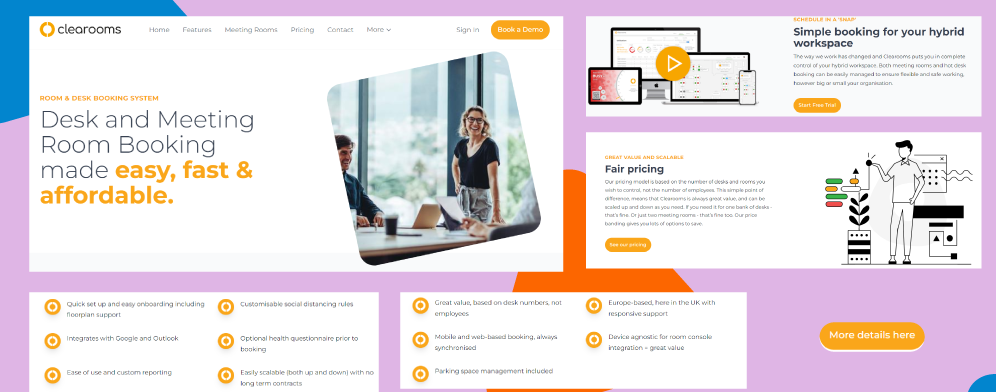
Office hoteling software has undergone significant transformation since its inception, adapting to the changing dynamics of workplace environments and employee needs. Initially developed as basic booking systems, these solutions have evolved into sophisticated platforms that integrate seamlessly with various organizational processes. This evolution reflects broader trends in technology and workplace management, illustrating how software can enhance both efficiency and user experience.Key technological advancements have played a pivotal role in shaping the features and functionalities of office hoteling software.
Early iterations primarily relied on simple reservation systems that were often manual and cumbersome. However, advancements in cloud computing facilitated real-time data access and scalability, allowing organizations to manage their workspace dynamically. Mobile applications emerged as another crucial development, enabling employees to book workspaces on-the-go and receive live updates about availability.
User feedback shaping modern features
User feedback has become an essential driver in the evolution of modern office hoteling software, guiding developers in creating user-centric solutions. Organizations recognize the importance of addressing specific needs and preferences of their employees, which has led to the incorporation of various features based on direct feedback. The following points illustrate how user insights have shaped the software’s capabilities:
- Customization Options: Users have expressed the need for personalized settings, leading to features that allow individuals to tailor their workspace preferences, such as lighting, desk arrangement, and proximity to amenities.
- Integration with Collaboration Tools: Feedback indicated a demand for seamless integration with tools like Slack and Microsoft Teams, enabling easier communication and coordination among team members.
- Analytics and Reporting: Users have shown interest in analytics features that provide insights into workspace utilization, helping organizations make informed decisions about space management and resource allocation.
- User-Friendly Interface: Continuous feedback emphasized the importance of an intuitive user interface, prompting developers to focus on simplifying navigation and reducing booking time.
Continuous improvement driven by user feedback has ensured that office hoteling software remains relevant and effective in meeting the evolving needs of the modern workforce. By leveraging technology and prioritizing user experience, these solutions continue to transform how organizations approach workspace management.
Key features that define effective office hoteling software solutions
The landscape of office hoteling software is rapidly changing, driven by the need for flexibility and efficiency in modern workplaces. Effective office hoteling solutions should encapsulate essential features that enhance both user experience and operational efficiency. By focusing on these key functionalities, organizations can streamline their workspace management effectively.
Essential features of office hoteling software
Identifying the core features of office hoteling software is crucial for any organization looking to optimize their workspace. The following attributes significantly contribute to a seamless user experience and increased operational efficiency.
- Real-time Availability Tracking: This feature allows users to see which workspaces are available at any given moment. For instance, an employee can quickly locate an open desk or meeting room through an intuitive interface, enabling swift decision-making and minimizing downtime.
- Mobile Accessibility: Effective office hoteling software often includes a mobile app, empowering employees to book spaces on the go. Imagine a user commuting to work who can reserve a desk from their smartphone, ensuring that their workspace is ready upon arrival.
- Integrated Calendar Syncing: Integration with existing calendar applications allows users to sync their bookings with personal schedules. This feature enhances organization, as it ensures that booked spaces do not clash with meetings, thereby reducing scheduling conflicts and improving productivity.
- Customizable Workspace Options: Organizations can benefit from software that allows customization of workspace types based on specific needs. For example, a tech company might want collaboration areas with whiteboards and video conferencing capabilities, while a consultancy may require private offices. Customization caters to diverse workplace environments.
- Analytics and Reporting: Advanced analytics features provide insights into space utilization and trends over time. For instance, a company can analyze which areas are most frequently booked, enabling data-driven decisions about future office layouts or the need for additional resources, thus optimizing space efficiency.
Effective office hoteling software solutions incorporate features that enhance user satisfaction and operational productivity.
By integrating these features, office hoteling software not only simplifies the booking process but also supports a variety of workplace setups, catering to the evolving demands of modern organizations. Customization options further allow companies to adapt these solutions to their unique requirements, ensuring that office hoteling meets the diverse needs of employees and management alike.
The impact of office hoteling software on workplace productivity
Office hoteling software has transformed the way organizations manage their workspaces, leading to significant improvements in overall productivity. By allowing employees to reserve desks and meeting rooms as needed, these tools streamline workspace management, reduce wasted resources, and contribute positively to employee satisfaction. With the right hoteling solution, teams can focus on their work rather than on logistics, promoting a more efficient work environment.The integration of office hoteling software can enhance workplace productivity by optimizing space usage and fostering a culture of flexibility.
Employees can select their work environments based on their daily tasks, which not only increases comfort but also boosts motivation and job satisfaction. Furthermore, hoteling software provides analytics on space usage, allowing organizations to make informed decisions about their real estate investments and workplace configurations.
Case Studies of Successful Implementation
Several companies have successfully adopted office hoteling software, leading to notable increases in productivity metrics. For instance, a large tech firm implemented a hoteling system that resulted in a 20% increase in space utilization and a 15% boost in employee collaboration efforts. This was achieved by allowing employees to choose workspaces that align with their needs on a daily basis.Another example is a multinational consulting company that integrated hoteling software across its offices.
Post-implementation, they reported a 30% reduction in overhead costs due to optimized office layouts and a part-time workforce that felt more empowered. The ability for employees to reserve spaces that suit their working styles significantly improved their performance, as evidenced by a 25% increase in project turnaround time.
Productivity Metrics Before and After Adoption
To illustrate the impact of office hoteling software, a comparison of productivity levels before and after adoption can be insightful. Establishing a baseline of productivity metrics is essential:Before the Adoption:
- Employee satisfaction ratings averaged 60%.
- Average desk utilization was at 50%.
- Collaboration incidents per week were limited to 4.
After the Adoption:
- Employee satisfaction ratings rose to 85%.
- Desk utilization increased to 80%.
- Collaboration incidents per week jumped to 10.
These numbers reflect a remarkable shift in both employee morale and productivity, demonstrating the tangible benefits of implementing office hoteling software. The figures underscore how effectively managing workspaces can create an environment conducive to heightened creativity and teamwork, ultimately contributing to an organization’s success.
Challenges companies face when implementing office hoteling software
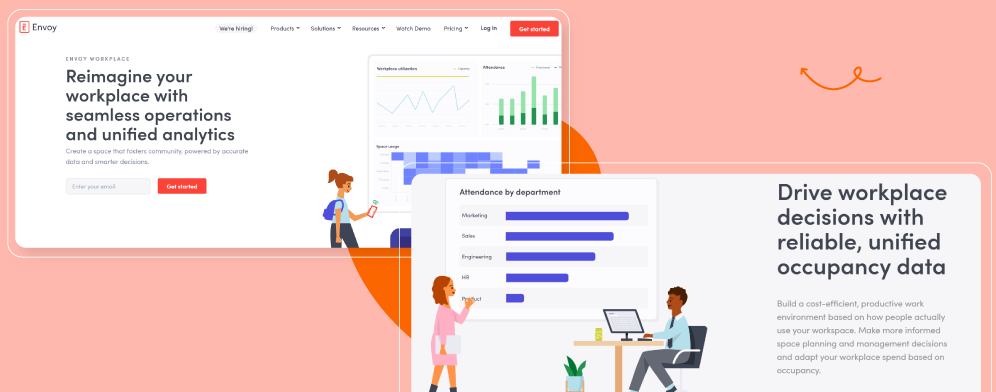
Implementing office hoteling software can significantly enhance workspace efficiency, but it isn’t without its challenges. Organizations often face various obstacles that can impede a successful integration. Understanding these challenges and implementing effective strategies to overcome them is crucial for maximizing the benefits of hoteling systems.One major challenge companies encounter is resistance to change from employees who may be accustomed to traditional office setups.
This resistance can stem from concerns about losing personal space, as well as discomfort with new technologies. Additionally, technical issues such as inadequate IT infrastructure or compatibility problems with existing systems can hinder the deployment process.
Common obstacles organizations encounter
Identifying common obstacles can help companies anticipate and address potential setbacks during the integration of office hoteling software. The following points Artikel prevalent challenges:
- Employee Resistance: Many employees may be hesitant to adapt to a new system that alters their workspace dynamics.
- Technical Barriers: Insufficient IT infrastructure or software compatibility issues can disrupt the implementation process.
- Insufficient Training: Lack of comprehensive training for employees can lead to improper use or frustration with the software.
- Data Security Concerns: Organizations may have apprehensions about data privacy and security with a new software solution.
- Cost Considerations: The initial investment and ongoing maintenance costs can be a significant hurdle for many organizations.
To effectively navigate these challenges, companies can adopt several strategies based on industry best practices. First and foremost, engaging employees early in the process can foster a more accepting atmosphere. Providing ample training sessions and resources ensures that users feel comfortable and confident in utilizing the new software.
Strategies for overcoming challenges
Addressing the obstacles of office hoteling software implementation requires a proactive approach. Here are key strategies that can lead to a successful transition:
- Effective Communication: Regular updates and open discussions about the benefits of the new system can help mitigate employee resistance.
- Conducting Pilot Programs: Testing the software with a small group before a company-wide rollout can help identify potential issues.
- Investing in Training: Comprehensive training programs tailored to different user levels can enhance comfort and efficiency.
- Prioritizing Security: Implementing robust data security measures can alleviate concerns and build trust in the new system.
- Budget Planning: Allocating resources for both initial setup and long-term maintenance can ease financial concerns.
Several companies have successfully navigated the implementation of office hoteling software despite these challenges. For instance, a multinational tech firm faced significant employee pushback during its transition. By forming a task force of early adopters to champion the software and provide feedback, the company not only improved the integration process but also increased overall employee buy-in.
“Successful implementation hinges on effective communication and employee engagement, transforming resistance into advocacy.”
Another example is a large financial institution that encountered technical barriers due to outdated infrastructure. They addressed this by allocating funds for an infrastructure upgrade prior to the software rollout, ensuring a smoother integration process and minimizing disruptions.By understanding and addressing the challenges associated with office hoteling software, organizations can enhance workplace efficiency and foster a more adaptable, productive environment.
The future of office hoteling software in a hybrid work environment
The future of office hoteling software is set to transform significantly as hybrid work models continue to gain traction across various industries. Organizations are increasingly recognizing the need for flexible workspace solutions that cater to a diverse workforce, and office hoteling software stands at the forefront of this evolution. As we look ahead, several trends and innovations are expected to shape the way employees interact with their work environments.Software developments are likely to prioritize employee wellness and workspace comfort, acknowledging that these elements directly influence productivity and job satisfaction.
Features that promote a healthy work-life balance and ensure that workspaces are not only functional but also inviting will become essential. This shift will manifest through designs that enhance natural light, promote biophilic elements, and facilitate personalized workspace settings.
Integration of AI and Machine Learning in Hoteling Software
The incorporation of artificial intelligence (AI) and machine learning into office hoteling software will enhance functionalities and user experiences. These technologies can analyze user behavior and preferences to streamline booking processes, making it simpler for employees to find and reserve the spaces that best meet their needs. For instance, AI-driven analytics can forecast workspace demand based on historical data, allowing companies to adapt their office layouts and resource allocation proactively.
Machine learning algorithms can also personalize user interfaces, suggesting optimal work environments tailored to individual preferences, such as quiet zones for focused tasks or collaborative spaces for team projects.Moreover, AI can facilitate real-time data visualization, providing insights into workspace utilization. This capability enables managers to identify underused areas and make informed decisions about future investments or modifications.
“The future of office hoteling software lies in its ability to merge technology with human-centric design, ultimately fostering a healthier and more productive workplace.”
Learn about more about the process of property management software for commercial properties in the field.
As hybrid work continues to evolve, the focus on workplace wellness, comfort, and the integration of cutting-edge technology will redefine our approach to office hoteling, making it an indispensable tool for modern organizations.
Case studies of successful office hoteling software implementations
The implementation of office hoteling software has been transformative for many organizations, enhancing workplace flexibility and productivity. Several companies have effectively adopted this technology, leading to noteworthy changes in their operational dynamics and employee satisfaction. Here, we will explore three case studies that illustrate the successful application of hoteling software, the outcomes achieved, and the lessons learned that can inform others looking to implement similar solutions.
Case Study: Tech Innovations Inc.
Tech Innovations Inc., a rapidly growing software development firm, decided to implement office hoteling software as part of their transition to a hybrid work model. The primary motivation was to maximize the use of their physical office space while providing employees with the flexibility to choose where they work.The implementation resulted in a 30% increase in workspace utilization. Employees reported feeling more empowered and engaged, as they could select their work environment based on their current project needs.
Key outcomes included:
- Reduction in overhead costs by 20% due to decreased space requirements.
- Increased collaboration among teams as employees frequently interacted in shared spaces.
- Significant improvement in employee satisfaction scores, reflecting a happier workforce.
“The flexibility provided by hoteling software allowed our teams to collaborate more effectively and improved our overall work culture.”
HR Director, Tech Innovations Inc.
Case Study: Global Financial Services
Global Financial Services, a multinational corporation, faced challenges with traditional workspace allocation due to their diverse workforce and varying work schedules. To address these issues, they implemented an office hoteling system tailored to their specific needs.The results were impressive, leading to a 40% increase in workspace efficiency. Employees benefited from intuitive booking systems that allowed them to reserve spaces in advance, minimizing the stress associated with finding a desk in a busy environment.Outcomes from this initiative included:
- Enhanced team collaboration, resulting in improved project delivery timelines.
- Better resource management, with insights from the software allowing for more strategic space planning.
- Reduction in employee turnover rates, as staff appreciated the more flexible working arrangements.
“Our office hoteling software has transformed the way we think about our workplace, making it more adaptable to our employees’ needs.”
Learn about more about the process of residential management software in the field.
Facilities Manager, Global Financial Services.
Case Study: Creative Design Agency
Creative Design Agency, known for its innovative approach to design, sought to modernize its workplace strategy by adopting office hoteling software. The aim was to foster creativity and collaboration among their teams while reducing fixed office space.Post-implementation, the agency witnessed a 50% reduction in unoccupied workspaces. The software facilitated not only desk booking but also collaboration spaces, encouraging spontaneous meetings and creative brainstorming sessions.Key achievements included:
- Improved project collaboration, leading to more innovative designs and solutions.
- Enhanced employee morale, as staff could choose environments that suited their working style.
- Effective use of space, allowing the agency to downsize its office without impacting operations.
“The office hoteling software has unlocked a new level of creativity in our teams. We’re no longer confined by traditional workspace limitations.”
Creative Director, Creative Design Agency.
Through these case studies, it is clear that successful implementation of office hoteling software can lead to significant benefits, including enhanced productivity, improved employee satisfaction, and better space utilization. Organizations considering similar systems can draw valuable lessons from these experiences, particularly the importance of tailoring solutions to fit their unique culture and operational needs.
The role of analytics and data in shaping office hoteling software
In the modern workplace, the integration of analytics and data into office hoteling software has become essential for optimizing space management and enhancing the employee experience. By leveraging data-driven insights, organizations can make informed decisions regarding workspace allocation, ultimately leading to improved efficiency and employee satisfaction.Analytics play a pivotal role in understanding workspace usage and employee preferences. By collecting and analyzing data on how spaces are utilized, companies can identify trends in occupancy, peak usage times, and employee behaviors.
This information empowers decision-makers to adapt their office environments to meet the needs of their workforce better, ensure resources are allocated effectively, and ultimately foster a more productive workplace.
Importance of integrating analytics capabilities, Office hoteling software
Incorporating analytics into hoteling software is crucial for enabling better decision-making. Data-driven insights allow organizations to anticipate employee needs, optimize space utilization, and streamline operational efficiency. Companies can analyze historical data and track real-time metrics to refine their workplace strategies continuously. Key metrics that companies should track for effective space management include:
Occupancy Rates
Understanding how many workstations are occupied versus available provides insight into space efficiency.
Booking Patterns
Expand your understanding about pipedrive real estate crm with the sources we offer.
Analyzing when and how often spaces are booked can help identify peak times and assist in managing demand.
Employee Preferences
Gathering data on preferred workspaces and amenities can guide future office designs and offerings.
Utilization Rates
Measuring how often spaces are used compared to how often they are available reveals underutilized areas and potential for reconfiguration.
Dwell Time
Tracking how long employees spend in specific work areas can provide insights into their preferences and needs.
Feedback and Satisfaction Scores
Collecting employee feedback on their workspace experience helps identify areas for improvement.By closely monitoring these metrics, organizations can refine their office hoteling strategies and create a more efficient, employee-friendly work environment. The role of analytics and data is not just about numbers; it’s about fostering a culture of adaptability and responsiveness that meets the evolving demands of today’s hybrid workforce.
Summary
In conclusion, office hoteling software is more than just a tool; it’s a vital component of modern workplace strategy. Its ability to adapt to changing work patterns while enhancing productivity and employee satisfaction showcases its importance in today’s corporate landscape. As we look towards the future, we can expect continued innovations that prioritize both efficiency and employee well-being in the realm of workspace management.
FAQ Summary
What is office hoteling software?
Office hoteling software is a system that allows employees to reserve workspaces on an as-needed basis, promoting flexible work arrangements.
How does office hoteling software enhance productivity?
By streamlining workspace management, it reduces time spent searching for available desks and fosters a more organized work environment.
Is office hoteling software suitable for all company sizes?
Yes, office hoteling software can be tailored to meet the needs of both small businesses and large enterprises.
Can office hoteling software integrate with other tools?
Many office hoteling solutions offer integration options with other workplace tools, such as calendar applications and collaboration platforms.
What are some key metrics to track with office hoteling software?
Key metrics include space utilization rates, employee booking patterns, and overall satisfaction scores related to workspace experiences.