Event rental software is transforming the way businesses manage their rental operations, offering innovative solutions that enhance user experiences and streamline processes. With the increasing demand for efficient management of events, this software provides a comprehensive toolkit to simplify everything from booking to inventory management. By harnessing the power of technology, event rental software enables companies to organize and execute events with ease, ensuring a seamless workflow that meets both business and customer needs.
In today’s fast-paced environment, understanding the core features of event rental software is essential. Organizations can benefit from user-friendly interfaces, effective inventory control, and automated booking processes, which all contribute to improved operational efficiency. With features that facilitate better communication and real-time updates, businesses are positioned to enhance customer satisfaction and ultimately drive growth.
Understanding the core features that define effective event rental software
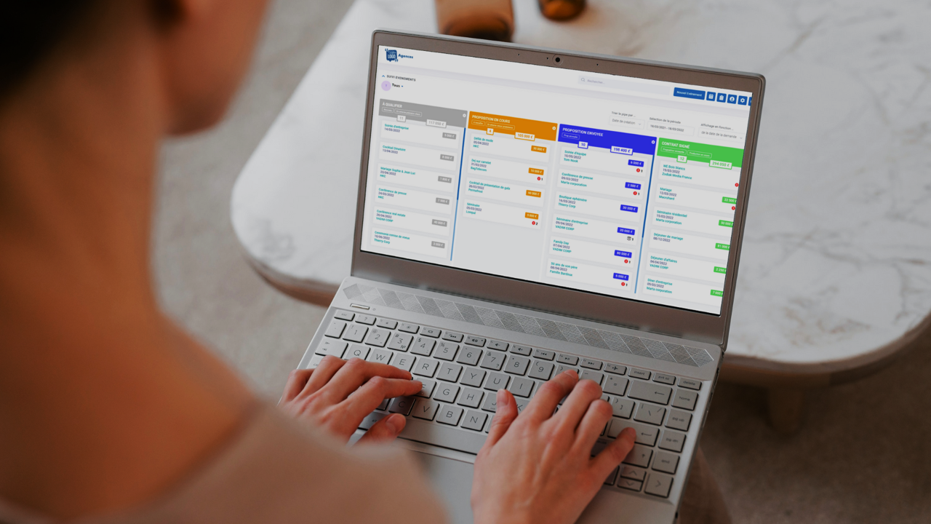
Event rental software plays a critical role in the organization and execution of various events, from weddings to corporate gatherings. The effectiveness of this software is primarily defined by its core features, which not only streamline processes but also enhance the overall user experience for both event planners and clients. By integrating essential functionalities, these software solutions offer a comprehensive platform that simplifies operational tasks, making event management more efficient and less stressful.One of the key features of effective event rental software is its user interface and ease of navigation.
A well-designed user interface prioritizes user experience, ensuring that all functionalities are easily accessible. An intuitive layout allows users to quickly familiarize themselves with the software, which is crucial during high-pressure situations like event planning. Features such as dashboard customization enable users to prioritize the information that is most relevant to them at a glance. Moreover, responsive design ensures the software is usable on various devices, whether it’s a desktop, tablet, or smartphone, allowing planners to manage events on the go.
User Interface and Ease of Navigation
A user-friendly interface can significantly reduce the time required to complete tasks. This is especially important in event planning where time is often limited. A clean, organized layout helps users to find what they need without confusion. Key aspects contributing to this ease of navigation include:
- Search functionality: An effective search tool allows users to quickly locate specific items in the inventory, saving time and reducing frustration.
- Clear categorization: Products and services should be organized into logical categories, making it easier for users to browse through options without feeling overwhelmed.
- Visual aids: Incorporating images and descriptions for items simplifies the decision-making process, as users can visually assess options before making selections.
Functionalities that Facilitate Inventory Management
Inventory management is another essential feature of event rental software that enhances operational efficiency. Proper inventory management ensures that event planners can keep track of available items, their conditions, and their locations. This functionality can be broken down into several key components:
- Real-time inventory tracking: By providing real-time data on inventory levels, planners can avoid overbooking items or running out of essential supplies.
- Automated updates: When items are rented or returned, automated updates keep inventory records current, which reduces manual entry errors and saves time.
- Reporting and analytics: Detailed reports on inventory usage can help planners identify trends, allowing for better decision-making regarding purchases and rentals in the future.
The integration of these functionalities not only simplifies the planning process but also enhances customer satisfaction by ensuring that all needs are met promptly and accurately.
Incorporating these core features in event rental software ultimately leads to a more organized, efficient, and user-friendly experience, making it an indispensable tool for event planners.
Analyzing how event rental software can streamline business operations
Event rental software has transformed the way businesses manage their operations, leading to significant improvements in efficiency and productivity. By automating various processes and providing comprehensive tools for rental management, these platforms help businesses reduce manual errors and save time, allowing them to focus on delivering exceptional service to their clients.The integration capabilities of event rental software enhance operational efficiencies by allowing seamless collaboration with other business tools and platforms.
This interconnectedness helps streamline workflows, ensuring that all systems are aligned to facilitate smooth operations. For example, integrating with accounting software helps businesses track revenue and expenses in real-time, while syncing with customer relationship management (CRM) systems aids in managing client interactions and communications effectively.
Advantages of Automating Booking Processes
Automating booking processes is one of the key benefits of event rental software, significantly enhancing the efficiency and accuracy of operations. By leveraging automation, businesses experience reduced workload and improved customer satisfaction. The following points illustrate the advantages of this automation:
-
Increased Efficiency:
Automated booking processes minimize manual entry, reducing the chances of errors while enabling quicker confirmation of reservations.
-
Real-Time Availability:
Software solutions provide real-time inventory tracking, allowing customers to see what’s available at any given moment, which streamlines the customer decision-making process.
-
Enhanced Customer Experience:
Clients can easily book, modify, or cancel reservations online, improving their overall experience and increasing the likelihood of repeat business.
-
Effective Resource Management:
Automation enables businesses to allocate resources more effectively, ensuring that the right equipment is available for each event without unnecessary overlaps or shortages.
The tracking of rentals through event rental software not only provides valuable insights into inventory usage but also supports effective decision-making. By analyzing rental patterns and trends, businesses can optimize their inventory management and marketing strategies. Moreover, automated tracking minimizes discrepancies and creates a transparent record of all transactions, which is crucial for accurate reporting and financial forecasting.
Integration with Other Business Tools
Integrating event rental software with other essential business tools maximizes operational efficiency. This harmonious integration leads to improved communication and data sharing across different systems. Consider the following integrations that enhance the overall functionality of event rental software:
-
Accounting Software:
Syncing with platforms like QuickBooks or Xero allows for real-time financial oversight, simplifying invoicing, billing, and expense tracking.
-
CRM Systems:
Integration with tools like Salesforce helps businesses maintain a comprehensive client database, improving customer relationship management and targeted marketing efforts.
-
Payment Gateways:
Linking with payment processors such as PayPal or Stripe streamlines transactions, making it easy for customers to pay securely and promptly.
-
Marketing Platforms:
Integrating with email marketing tools can help businesses reach out to clients with special offers, reminders, and follow-ups, enhancing customer engagement.
With these integrations in place, businesses can achieve a cohesive operational environment that supports growth and efficiency. Event rental software, equipped with robust features and integration capabilities, serves as a central hub for managing all aspects of rental operations.
Exploring the impact of event rental software on customer satisfaction
The integration of event rental software significantly influences customer satisfaction by enhancing interaction, streamlining feedback processes, and fostering stronger relationships. This innovative approach not only meets customer expectations but also elevates their overall experience, driving loyalty and repeat business.
Improved communication tools enhance customer engagement
Effective communication tools integrated within event rental software play a crucial role in engaging customers. These tools facilitate seamless interactions between the rental service providers and clients. Features like chat functions, automated emails, and personalized notifications ensure that customers receive timely information and responses.These communication enhancements may include:
- Instant Messaging: Real-time messaging allows customers to inquire about rentals, ask questions, or resolve issues promptly, leading to quicker resolutions and better service experiences.
- Email Automation: Automated emails for confirmations, reminders, and follow-ups keep customers informed and engaged throughout the rental process.
- Personalized Interaction: Tailored communication based on customer preferences creates a more personalized experience, increasing customer satisfaction and loyalty.
Methods to gather customer feedback and improve services
Gathering customer feedback is vital for continuously improving services in the event rental industry. Event rental software provides various mechanisms to collect this feedback efficiently.Key methods include:
- Surveys and Questionnaires: Integrated tools enable businesses to send out surveys post-event, allowing customers to share their experiences and suggestions.
- Review Analytics: Monitoring reviews on platforms like Google or social media provides insights into customer sentiment and highlights areas for improvement.
- Feedback Forms: Easily accessible feedback forms can be embedded in the software, encouraging customers to provide real-time input after their experience.
The role of real-time updates and notifications in maintaining client relationships
Real-time updates and notifications are pivotal in nurturing client relationships within the event rental business. Keeping clients informed about their rental status fosters trust and transparency.Specific benefits of real-time notifications include:
- Order Status Updates: Clients receive immediate alerts regarding their order confirmations, payments, and delivery schedules, reducing uncertainty.
- Event Reminders: Automated reminders about upcoming events help clients prepare adequately, ensuring smooth execution on the day of the event.
- Last-Minute Changes: Notifications about any changes or updates to the rental agreement or schedule allow clients to adjust their plans accordingly, minimizing disruptions.
Comparing different types of event rental software available in the market
With a growing number of event rental software options available, it’s essential to understand how they stack up against each other. Different software platforms may cater to varied needs, from general event planning to specialized rentals for niche markets. A clear comparison can help businesses choose the right software that aligns with their operations and customer expectations. When evaluating event rental software, key factors typically include features, pricing, and user ratings, as these aspects significantly influence the effectiveness and satisfaction levels associated with a platform.
The table below provides a concise comparison of popular event rental software available in the market.
| Software | Key Features | Pricing | User Rating |
|---|---|---|---|
| Rentman | Inventory management, invoicing, project planning | Starting at $99/month | 4.5/5 |
| EventPro | Booking management, customer relationship management (CRM), financial reporting | Starting at $150/month | 4.2/5 |
| PartySlate | Vendor management, event gallery, collaboration tools | Contact for pricing | 4.6/5 |
| Booqable | Online booking, inventory tracking, payment processing | Starting at $39/month | 4.7/5 |
Pros and cons of popular software platforms
When choosing event rental software, it’s crucial to consider the advantages and disadvantages of each platform. Here’s a breakdown of some well-known options:Rentman:
Pros
Further details about real estate erp is accessible to provide you additional insights.
Comprehensive inventory management, excellent customer support, strong project planning tools.
Cons
Can be overwhelming for smaller businesses due to its extensive features.EventPro:
Pros
Strong financial reporting capabilities, good for larger operations with complex needs.
Cons
Higher starting price may not fit smaller budgets; user interface can be less intuitive.PartySlate:
Pros
Focus on visual presentation, strong vendor management, great for marketing events.
Cons
Pricing structure not transparent; may lack robust inventory features.Booqable:
Pros
Affordable pricing, user-friendly interface, effective online booking process.
Cons
Limited advanced features may not suit larger businesses.
Specialized software for niche event types
Certain software platforms cater specifically to niche markets, offering unique features tailored to specialized events such as weddings, corporate gatherings, or festivals. Identifying these platforms can enhance overall customer experience and operational efficiency. For instance, software like Wedbush is tailored for wedding planners and includes features such as a customizable checklist, budget tracking, and vendor management. This specialization allows planners to focus on the unique elements of wedding events without needing to navigate broader event software limitations.Additionally, platforms like Festivus cater specifically to festivals, providing ticketing solutions, attendee management, and promotional tools designed for large-scale outdoor events.
These specialized offerings can create a seamless experience for both event managers and attendees, ensuring that niche requirements are met effectively.
Identifying key trends in the event rental software industry
The event rental software industry is witnessing rapid evolution driven by technological advancements and changing customer expectations. Identifying key trends within this industry not only reveals the direction it is heading but also highlights how businesses can leverage these trends to enhance their operations and customer experience. As we delve into the emerging technologies and shifting practices, we can see how they are reshaping the landscape of event rentals.
Emerging technologies like AI and machine learning in software effectiveness
AI and machine learning are becoming integral components of event rental software, enhancing its effectiveness and efficiency. These technologies enable predictive analytics, allowing businesses to forecast demand for specific rental items based on historical data and seasonal trends. This capability helps in optimizing inventory management and reducing the risk of overstocking or stockouts. AI-driven chatbots are also improving customer interactions by providing real-time assistance, answering queries, and guiding users through the booking process.
Additionally, machine learning algorithms can analyze customer behavior, enabling personalized marketing strategies that enhance customer engagement. For example, if a client frequently rents sound equipment, the software can suggest similar items or related services, promoting upselling opportunities. The integration of AI and machine learning into event rental software leads to a more streamlined and responsive service, ultimately benefiting both businesses and customers.
Mobile accessibility transforming the event rental landscape
The rise of mobile technology has significantly transformed the event rental landscape, making rental processes more accessible and efficient for users on the go. With mobile applications and responsive web designs, customers can browse, book, and manage rentals directly from their smartphones or tablets. This convenience caters to the increasing demand for instant gratification, allowing users to secure rentals anytime and anywhere.Mobile accessibility also facilitates real-time communication between rental companies and clients.
Browse the implementation of property management software that integrates with quickbooks in real-world situations to understand its applications.
For instance, users can receive notifications regarding booking confirmations, delivery updates, and reminders about upcoming events directly on their devices. Moreover, mobile tools often come with built-in features such as digital contracts and payment options, streamlining the transaction process. This shift towards mobile-centric platforms enables rental businesses to cater to a broader audience while enhancing user experience.
Growing importance of data analytics in improving rental services
Data analytics has emerged as a vital tool in improving rental services, as it allows businesses to gain insights into operational performance and customer preferences. By leveraging data analytics, rental companies can track key performance indicators (KPIs) such as rental frequency, seasonal trends, and customer feedback. These insights enable them to make informed decisions about inventory management, pricing strategies, and marketing campaigns.Furthermore, data analytics assists in identifying areas where service improvements are necessary.
For example, if data reveals that customers frequently report issues with certain equipment, this information can prompt proactive measures to address the problem, such as regular maintenance checks or updates to the inventory. By harnessing the power of data analytics, event rental companies can enhance their service offerings, leading to improved customer satisfaction and loyalty.
Designing a successful implementation strategy for event rental software

Implementing new event rental software can significantly enhance your business operations, but a successful integration requires careful planning and execution. This section Artikels a comprehensive approach to seamlessly incorporate software into your existing workflows while minimizing disruptions.A well-structured implementation strategy can make the difference between a smooth transition and a chaotic struggle. The following steps provide a clear path to integrating your new event rental software effectively, ensuring that both your team and your operations are primed for success.
Step-by-step approach to integrating new software, Event rental software
Begin by following this systematic approach to ensure a smooth implementation:
1. Assess Current Workflows
Evaluate existing processes to identify how the software can best fit into your operations. Recognizing strengths and weaknesses in your current system will guide you in maximizing the software’s benefits.
2. Set Clear Objectives
Define what you want to achieve with the new software. Establish measurable goals, such as reducing booking times or improving inventory accuracy, to track progress.
3. Involve Stakeholders
Engage team members from different departments, including sales, operations, and customer service, in the planning process. Their insights will help tailor the software to meet the needs of all users.
4. Choose the Right Software
Ensure the selected software aligns with your business objectives and integrates smoothly with your existing tools. Consider factors such as user-friendliness, scalability, and customer support.
5. Create an Implementation Timeline
Artikel a timeline that includes key milestones and deadlines. This will provide a framework for managing the project and ensuring all tasks are completed on schedule.
6. Test the Software
Conduct pilot tests with a small user group to identify any issues before full deployment. This allows for adjustments and troubleshooting in a controlled environment.
7. Launch the Software
Once testing is complete and adjustments are made, launch the software company-wide. Ensure all team members are informed and ready for the transition.
8. Monitor and Adjust
After implementation, continuously monitor the software’s performance and gather user feedback. This will help identify areas for improvement and ensure the software is being utilized effectively.
Potential pitfalls and how to avoid them
It’s crucial to be aware of common challenges that may arise during implementation. By proactively addressing these potential pitfalls, you can pave the way for a smoother transition:
Resistance to Change
Employees may be hesitant to adapt to new software. To mitigate this, involve staff early in the process and emphasize the benefits of the new system.
Insufficient Training
Failing to provide adequate training can lead to underutilization of the software. Develop a comprehensive training program that includes hands-on sessions and accessible resources.
Lack of Support
Ensure you have reliable support from the software provider. Establish direct lines of communication for troubleshooting and assistance during the transition.
Overlooking Data Migration
Inadequate planning for data transfer can result in lost information. Create a detailed data migration plan and verify all data is transferred accurately.
Ignoring User Feedback
Neglecting to gather and act on user feedback can lead to ongoing issues. Establish regular check-ins to assess user experience and adjust as necessary.
Importance of training staff for maximum utilization
Training is a pivotal component in fully leveraging the capabilities of your new event rental software. Proper education equips staff with the necessary skills to utilize the software effectively, resulting in improved efficiency and satisfaction.
Comprehensive Training Programs
Develop training that encompasses all software features. Utilize varied formats such as videos, manuals, and live demonstrations to cater to different learning styles.
Ongoing Support and Learning
Offer continuous learning opportunities, such as refresher courses and advanced training sessions, to keep staff updated on new features and best practices.
Encouraging a Culture of Learning
Foster an environment where team members feel comfortable asking questions and sharing tips. This collaborative atmosphere can enhance overall software adoption.Utilizing a well-designed implementation strategy not only streamlines the integration of event rental software but also empowers your team to harness its full potential. By following these steps, avoiding common pitfalls, and prioritizing staff training, you can ensure a successful transition that enhances your business operations and customer satisfaction.
Creating a budget for implementing event rental software
Implementing event rental software is a significant investment that can enhance operational efficiency and customer satisfaction. Crafting a well-thought-out budget is crucial to ensure that the chosen solution aligns with both short-term financial constraints and long-term business goals. This requires a careful assessment of costs against the anticipated benefits while also considering various features necessary for your business.When developing a budget for event rental software, it’s important to analyze all associated costs and potential returns.
This includes direct costs such as licensing fees and indirect costs like training and ongoing maintenance. Establishing a clear understanding of the benefits that the software can bring will guide decision-making and help justify the investment.
Assessing costs versus benefits
A critical step in budgeting for event rental software involves evaluating the costs in relation to the expected benefits. Here’s how to effectively assess both:
1. Direct Costs
These include the price of the software itself, subscription or licensing fees, and any initial setup charges.
2. Indirect Costs
Look for ancillary expenses that may arise such as training sessions for staff, integration with existing systems, and ongoing maintenance fees.
3. Benefits Realization
Estimate potential savings in time and resources, improved customer satisfaction, and increased revenue from operational efficiencies.
4. Return on Investment (ROI)
Check best property management tools to inspect complete evaluations and testimonials from users.
Calculate the ROI by comparing the total expected benefits against the total costs over a specific period, often represented as a percentage.
To calculate ROI: ROI (%) = (Net Profit / Cost of Investment) x 100
Prioritizing features based on budget constraints
Creating a checklist of features to prioritize is essential for aligning your software selection with your budget. Here’s a framework to guide your feature prioritization:
Core Functionalities
Identify must-have features like inventory management, online booking, and payment processing.
Scalability
Ensure the software can grow with your business needs without incurring excessive costs.
User Experience
Prioritize intuitive design elements that enhance customer interaction.
Integration Capabilities
Look for software that can seamlessly integrate with existing tools and systems to avoid additional costs.Consider the following features that may influence your decision:
- Real-time inventory tracking
- Automated invoicing and billing
- Customer relationship management (CRM) tools
- Reporting and analytics capabilities
- Mobile accessibility for on-the-go management
Identifying potential hidden costs
While budgeting, it’s crucial to be aware of potential hidden costs that may arise during the adoption of event rental software. These often overlooked expenses can significantly impact your overall financial plan. Key hidden costs include:
Training and Support
Comprehensive training for staff is often necessary, which can incur additional costs.
Customization Charges
Customizing the software to meet specific business needs may require extra fees.
Data Migration
Transferring data from your existing system to the new software can come with unexpected costs, especially if external assistance is needed.
Updates and Upgrades
Ongoing software updates may not be included in the initial contract, leading to future expenses.Understanding these aspects enables businesses to allocate sufficient funds and avoid surprises during software implementation, ensuring a smoother transition to a more efficient event rental operation.
Demonstrating the long-term benefits of using event rental software for scalability
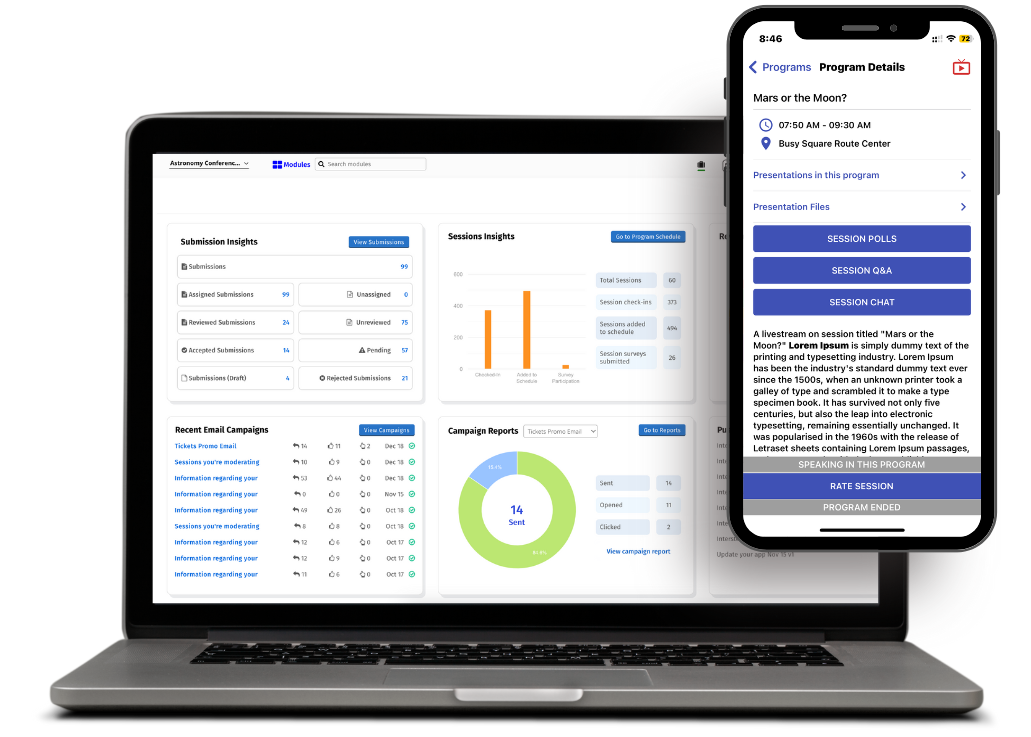
Event rental software not only enhances operational efficiency but also serves as a catalyst for business growth and scalability. As the landscape of event rental services evolves, having robust software solutions becomes indispensable in capturing new market opportunities and expanding services beyond current capabilities. This section delves into how such software can facilitate enduring growth and explores real-world examples of businesses that have effectively scaled operations through its implementation.
Support for Business Growth and Expansion
Event rental software provides essential tools for managing increased demand and operational complexity as businesses scale. Key features contributing to scalability include inventory management, customer relationship management (CRM), and analytics capabilities. These features help businesses track performance, forecast trends, and streamline operations.
Inventory Management
Automated inventory tracking ensures that businesses can efficiently manage their assets and reduce downtime. For instance, a rental company that utilized event rental software saw a 30% reduction in equipment underutilization, allowing them to take on more simultaneous projects.
Customer Relationship Management
Effective CRM tools within the software enable businesses to manage customer interactions, leading to improved retention rates. A case study of a company that integrated a CRM into their event rental processes revealed a 25% increase in repeat bookings within the first year.
Analytics Capabilities
Data analysis tools can help identify profitable market segments and optimize pricing strategies. For example, an event rental firm identified peak seasons and adjusted their inventory accordingly, leading to a 40% increase in revenue during high-demand periods.
Case Studies of Successful Scaling
Examining businesses that have effectively scaled using event rental software provides valuable insights into best practices and strategies. Here are a couple of notable examples:
1. EventMasters Inc.
This company implemented an advanced event rental solution that streamlined their booking processes. Within two years, EventMasters expanded its operations to three new cities, significantly increasing its revenue and market share.
2. PartyComplete
By utilizing comprehensive event rental software, PartyComplete was able to analyze customer data and enhance service offerings. Their ability to adapt to customer feedback led to the launch of new service lines, resulting in a doubling of their client base within 18 months.
Maintaining Flexibility and Adaptability in Software Choices
Selecting event rental software that offers flexibility and adaptability is crucial as business needs evolve. Companies should consider the following factors to ensure their software remains relevant and effective over time:
Scalability of Features
Look for software that can grow with the business, allowing for the addition of new features as needed. A modular software design lets companies customize their tools without overhauling existing systems.
Integration Capabilities
Ensure that the chosen software can integrate with other essential tools, such as accounting software or marketing platforms. This creates a seamless workflow and enhances overall operational efficiency.
User-Friendly Interfaces
As teams grow, having software that is easy to use minimizes training time and increases productivity. Choosing solutions with intuitive interfaces encourages broader team adoption and engagement.
“Scalability is not just about growth; it’s about having systems in place that can evolve with changing demands.”
Final Review
In conclusion, the adoption of event rental software is more than just a trend; it represents a significant shift in how events are planned and executed. By leveraging advanced technologies and streamlined workflows, businesses can enhance their efficiency and customer satisfaction. As the industry continues to evolve, staying informed about the latest software offerings and implementation strategies will be crucial for success in the competitive landscape of event rentals.
Questions Often Asked
What is event rental software?
Event rental software is a digital tool designed to help businesses manage their event rental processes, including booking, inventory management, and customer communication.
How does event rental software improve customer satisfaction?
It enhances customer satisfaction by providing seamless communication, real-time updates, and easy booking processes, ensuring a better overall experience for clients.
Can event rental software integrate with other systems?
Yes, most event rental software can integrate with various business tools, such as payment processors and CRM systems, to streamline operations.
What should I consider when choosing event rental software?
Consider features like user interface, pricing, customer support, and integration capabilities to find the best fit for your business needs.
Is training necessary for using event rental software?
Yes, proper training is essential to maximize the software’s potential and ensure staff can use it effectively within existing workflows.