Online rental booking software sets the stage for this enthralling narrative, offering businesses and consumers a streamlined approach to managing rental transactions. In an age where convenience is paramount, this software enables users to book various rental services—from vacation homes to equipment rentals—with just a few clicks. It addresses the complexities of traditional booking methods, providing an efficient, user-friendly alternative that not only enhances customer satisfaction but also improves operational efficiencies for businesses.
As industries evolve, the significance of embracing online booking solutions becomes clearer. Rental businesses can significantly reduce overhead costs while maximizing bookings through real-time availability and pricing updates. This software doesn’t just simplify the booking process; it revolutionizes it, catering to the diverse needs of customers and providing businesses with essential tools for growth and success.
Understanding the Importance of Online Rental Booking Software
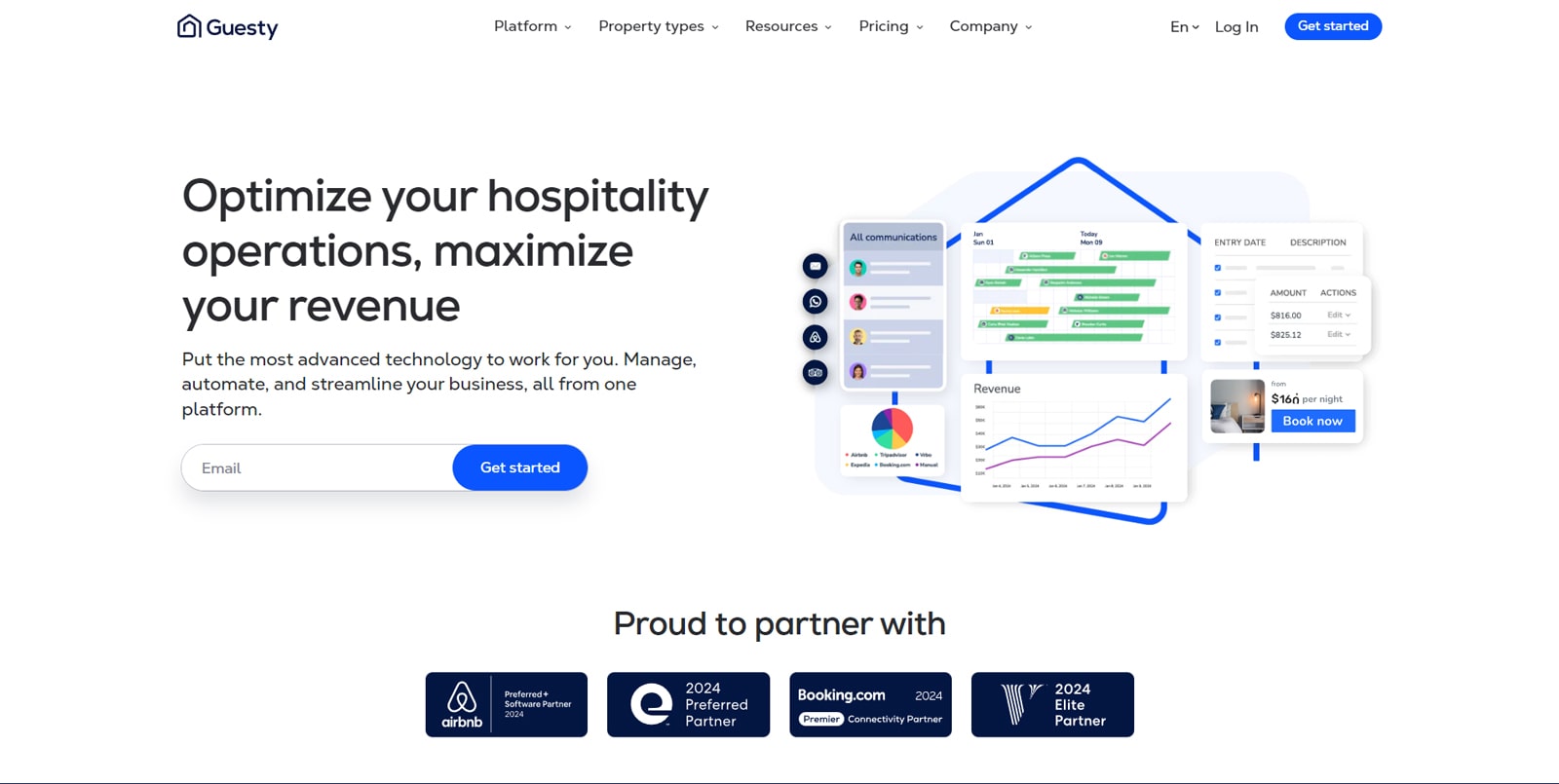
In today’s fast-paced digital environment, the significance of online rental booking software is more pronounced than ever. This technology not only streamlines the reservation process for consumers but also optimizes operations for businesses across diverse industries. By leveraging such software, both parties can achieve greater efficiency, convenience, and cost-effectiveness, leading to an enhanced overall experience.The impact of online rental booking systems extends across various sectors, making them invaluable tools.
The hospitality industry, for instance, utilizes these systems to manage room bookings, allowing hotels to maximize occupancy rates while offering guests an intuitive platform for reservations. Similarly, the vehicle rental sector employs such software to facilitate efficient bookings, manage fleet availability, and streamline customer check-in processes. Other industries benefiting from online booking systems include vacation rentals, event spaces, equipment rentals, and even peer-to-peer rental marketplaces.
Each of these sectors has unique needs that online booking software addresses, such as inventory management, payment processing, and customer support.Adopting an online rental booking system can lead to significant cost savings for businesses. By automating tasks that would traditionally require manual input, such as processing payments or managing schedules, companies can reduce labor costs. Automation minimizes human error, ensuring that reservations are accurately tracked and that resources are optimally allocated.
For example, a car rental agency that integrates an online booking system can avoid overbookings and last-minute cancellations, which often result in lost revenue and customer dissatisfaction. Moreover, efficiency improvements are evident in how businesses manage their operations. With real-time data access, companies can analyze booking trends, customer behaviors, and inventory status, allowing them to make informed decisions regarding pricing strategies and marketing efforts.
Businesses can identify peak booking times and adjust their staffing accordingly, thereby enhancing customer service without incurring unnecessary labor costs. The scalability of online rental booking software is another crucial advantage. As businesses grow, these systems can easily adapt to increased demand and expanded offerings without requiring a complete overhaul of existing processes. This flexibility is vital for businesses aiming to remain competitive in an ever-evolving market.
Incorporating an online rental booking system not only enhances operational efficiency but also significantly improves customer satisfaction. By providing users with easy access to booking options, transparent pricing, and instant confirmation, businesses can foster loyalty and encourage repeat bookings. The overall effect is a win-win scenario, where both companies and consumers benefit from the streamlined processes and improved service delivery that online booking software facilitates.
Key Features to Look for in Online Rental Booking Software
When selecting online rental booking software, certain features play a vital role in enhancing user experience and streamlining operations. A well-rounded software solution should encompass functionalities that not only attract and retain customers but also simplify management tasks for operators. Here are five crucial features to consider that can significantly improve both efficiency and satisfaction.
Real-Time Availability and Pricing Updates
One of the standout features of effective online rental booking software is the capability for real-time availability and pricing updates. This ensures that potential customers are always presented with accurate information, which can directly influence their booking decisions.
Discover the crucial elements that make commercial property management accounting software the top choice.
-
Real-time updates minimize the chances of double bookings and enhance customer trust.
- Dynamic pricing models can be integrated, allowing for adjustments based on demand, seasonality, or special events, which can maximize revenue for the rental business.
- Customers appreciate transparency; knowing the exact availability and pricing fosters a smoother booking experience and reduces frustration.
- Automated notifications regarding changes in availability or pricing can keep customers informed, helping them make timely decisions.
- Integrating with other systems, such as channel managers, ensures that all platforms reflect the same data, further enhancing operational efficiency.
User-Friendly Interfaces
The importance of a user-friendly interface cannot be overstated in online rental booking software. A well-designed interface ensures that customers can navigate the booking process effortlessly, leading to higher satisfaction and repeat business.
- An intuitive layout allows users to find the information they need quickly, reducing the time spent on each booking.
- Simple navigation minimizes the learning curve for first-time users, making it more likely they will complete their bookings.
- Clear calls to action and streamlined forms reduce the chances of abandonment during the booking process.
- Mobile responsiveness is crucial, as many users prefer to make bookings on their smartphones or tablets.
- Incorporating user feedback into interface design can lead to continuous improvements and a more satisfying user experience.
The Role of Integration in Online Rental Booking Software
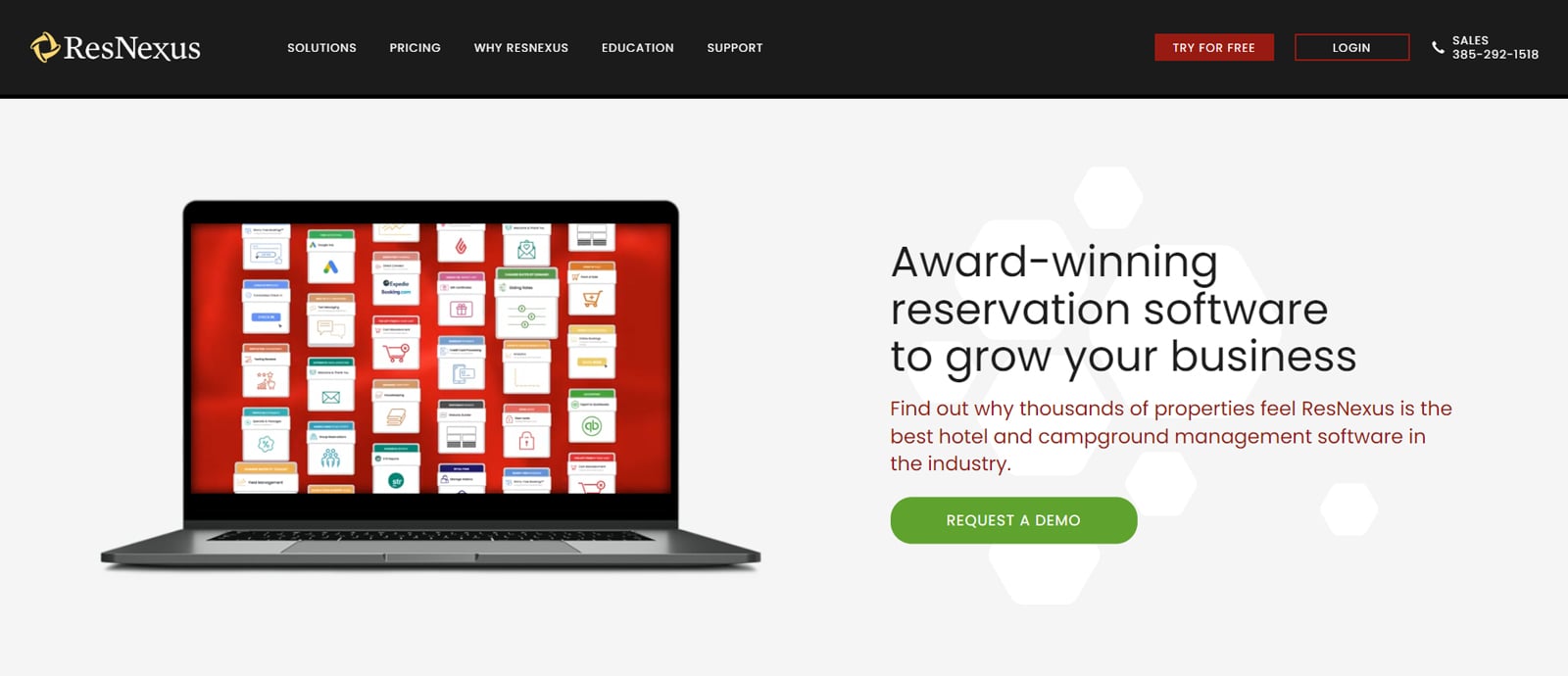
Integration plays a critical role in the success and efficiency of online rental booking software. In an increasingly connected world, being able to seamlessly link various technologies not only enhances functionality but also enriches user experience. A well-integrated system can automate processes, improve data accuracy, and streamline operations, making it indispensable for rental businesses aiming to stay competitive.Seamless integration with other technologies can significantly enhance the performance of online rental booking software.
By connecting with tools and platforms that complement the booking process, businesses can improve customer service, simplify management tasks, and increase operational efficiency. Integrations can range from payment gateways to customer relationship management (CRM) systems, allowing for a more cohesive workflow.
Popular Tools and Platforms for Integration
Several popular tools and platforms can be integrated with rental booking software to augment its functionality. Here are some noteworthy examples:
- Payment Processors: Platforms like PayPal, Stripe, and Square enable secure transactions, allowing customers to complete bookings with ease.
- CRM Systems: Integrating with systems like Salesforce or HubSpot helps to maintain customer relationships and track interactions effectively.
- Channel Managers: Tools like Lodgify and Guestline assist in managing multiple property listings across different booking platforms, maximizing visibility.
- Marketing Tools: Integrations with email marketing platforms like Mailchimp or social media management tools like Hootsuite can help in reaching a wider audience.
The impact of API capabilities on enhancing user experience and data management cannot be overstated. APIs (Application Programming Interfaces) allow different software applications to communicate and share data seamlessly. This connectivity facilitates real-time updates, ensuring that users have access to the most accurate information at all times. For instance, when a booking is made through integrated software, the availability status can be automatically updated across all platforms without manual intervention.
“APIs enhance the user experience by enabling real-time data exchange, making interactions smoother and more efficient.”
Incorporating robust API capabilities leads to improved data management, as it allows for the consolidation of information from various sources. This means that businesses can easily analyze performance metrics, track user behavior, and generate reports without the hassle of manual data entry. The result is a more informed decision-making process that can drive growth and efficiency in rental operations.
Analyzing Different Pricing Models for Rental Booking Software
Understanding the pricing models for online rental booking software is crucial for businesses of all sizes. This analysis will help you navigate the different structures available, ensuring that you choose a model that aligns with your business goals and budget. Rental booking software typically offers three primary pricing structures: subscription-based, pay-per-booking, and one-time purchase. Each model has its own set of advantages and potential drawbacks, making it essential to assess which best fits your business needs.
Comparison of Pricing Models
When considering pricing models, it is important to understand how each affects cash flow and operational flexibility. Below is a comparison of the most common pricing structures:
- Subscription-Based: Monthly or annual fees provide ongoing access to software features and updates. This model offers predictable budgeting and continuous customer support. Companies like Rentec Direct exemplify this model well, offering tiered pricing based on the number of units managed.
- Pay-Per-Booking: Charges based on successful bookings. This model is often appealing for businesses starting out with lower transaction volumes. It aligns costs with revenues but can become expensive as booking volume increases. Companies such as Booking.com utilize this structure effectively.
- One-Time Purchase: A single payment grants perpetual access to the software. While it can seem more economical upfront, it often lacks ongoing support and updates, which can be costly long-term. Examples include software like Hostelworld, which operates on this model for certain features.
Impact on Small Versus Large Businesses, Online rental booking software
The choice of pricing model can significantly impact small and large businesses differently. Small businesses often have limited budgets and may prefer flexible or lower up-front costs. Conversely, larger businesses might benefit from the scalability of subscription models that offer extensive support and features.
- Small businesses can leverage pay-per-booking to minimize initial investment while only paying for the services they use.
- Larger businesses might find subscription models beneficial as they provide comprehensive resources to manage higher volumes of bookings efficiently.
Value for Money and Return on Investment
When selecting rental booking software, evaluating the value for money and potential return on investment (ROI) is essential. A high-quality platform can streamline operations, reduce administrative burdens, and enhance customer experience, leading to increased bookings.
“Investing in the right rental booking software can lead to significant long-term savings and revenue growth.”
To assess ROI, consider the following factors:
- Time saved on administrative tasks through automation.
- Increased conversion rates due to user-friendly interfaces.
- Enhanced marketing features that attract more customers.
Ultimately, understanding the different pricing models allows businesses to make informed decisions that align with their operational needs and financial constraints. By weighing the pros and cons of each model, you can choose a software solution that offers not just affordability but also long-term success.
The User Experience Journey in Online Rental Booking Systems

The user experience journey in online rental booking systems encapsulates the entire process a customer undergoes, from their initial search for a rental to receiving a final booking confirmation. Understanding this journey is crucial for improving user satisfaction and streamlining the booking process, ensuring that potential customers find it easy and enjoyable to secure rentals online.The journey typically begins with the user conducting a search for available rentals based on their specific needs, such as location, type of property, and budget.
Once the user inputs their criteria, they are presented with a list of options. This list may contain various filters that allow users to refine their search further. After selecting a rental, the user often goes through several steps, including reviewing property details, checking availability, and entering personal and payment information. The final stage is receiving a booking confirmation, which is vital for assuring the customer their reservation is secured.
Steps in the User Experience Journey
The user experience journey is marked by several critical steps, each contributing to the overall satisfaction of the user. Here’s a breakdown of these steps:
- Search and Discovery: Users input their desired criteria, such as location, dates, and number of guests. This initial interaction sets the tone for the user’s overall experience.
- Filtering Options: Users can narrow down their search based on price, amenities, and property type, helping them find a rental that meets their needs.
- Property Review: Detailed property descriptions, images, and customer reviews are crucial for users to assess the suitability of a rental.
- Booking Selection: Users select their preferred property and input necessary details, including dates and personal information.
- Payment Processing: A secure payment gateway is essential for users to complete their bookings confidently.
- Confirmation Notification: Users receive immediate confirmation of their booking via email or notification, providing reassurance.
Identifying Potential Pain Points
Throughout this journey, users may encounter various pain points that can lead to frustration or abandonment of the booking process. Addressing these issues is vital for enhancing the user experience:
- Complicated Navigation: If the platform is not user-friendly, users may struggle to find the information they need. Simplifying the navigation design can mitigate this issue.
- Insufficient Information: Lack of detailed property information or unclear images can deter users from proceeding. Ensuring comprehensive and appealing listings can enhance user confidence.
- Payment Frustrations: Complicated payment processes or security concerns can lead to cart abandonment. Implementing a streamlined, secure payment solution is essential.
- Delayed Confirmation: Users may get anxious if they do not receive immediate confirmation. Providing instant confirmation emails and notifications helps alleviate these concerns.
The Importance of Customer Support
Effective customer support plays a pivotal role throughout the booking process, particularly in addressing users’ inquiries and concerns. Here are key reasons why customer support matters:
- Assistance with Navigation: Customer support can guide users facing challenges during their search, enhancing their overall experience.
- Clarification on Policies: Users often have questions regarding cancellation policies or payment terms. Having accessible support can clarify these queries quickly.
- Technical Help: In case of technical glitches during booking, immediate support can prevent user frustration and abandonment.
- Building Trust: Responsive customer service fosters a sense of trust and reliability, encouraging users to complete their bookings confidently.
“A seamless user experience in online rental booking systems not only boosts customer satisfaction but also significantly increases conversion rates.”
Trends and Innovations in Rental Booking Technology
The rental booking landscape is evolving rapidly, driven by technological advancements that enhance efficiency, streamline operations, and improve user experiences. As the demand for convenience and automation grows, businesses must stay ahead by adopting the latest trends and innovations in rental booking technology. This section explores the key technological developments currently shaping the industry.
Influence of Artificial Intelligence and Machine Learning
Artificial intelligence (AI) and machine learning (ML) are at the forefront of transforming rental booking systems. These technologies enable enhanced personalization and predictive analytics, allowing businesses to tailor offerings based on user behavior and preferences. AI algorithms analyze vast amounts of data to identify trends and optimize booking processes, leading to improved customer satisfaction.Key benefits of AI and ML in rental booking include:
- Dynamic Pricing: AI algorithms can adjust prices in real-time based on demand, competitor pricing, and other market factors. This ensures that businesses remain competitive while maximizing revenue.
- Chatbots for Customer Support: AI-powered chatbots provide instant answers to customer inquiries, improving response times and reducing workload on customer service teams.
- Personalized Recommendations: Machine learning models can suggest properties based on previous bookings and user preferences, enhancing the overall user experience.
The integration of AI and ML not only streamlines operations but also leads to more informed decision-making, allowing rental businesses to adapt quickly to market changes.
Impact of Mobile Applications on Booking Behavior
The rise of mobile applications has significantly influenced how consumers engage with rental booking platforms. With the convenience of mobile technology, users can now explore, compare, and book rental options directly from their smartphones. This shift has led to increased user engagement and higher booking rates.Key factors highlighting the impact of mobile applications include:
- On-the-Go Access: Users can search for rentals anytime and anywhere, making the booking process more flexible and spontaneous.
- Enhanced User Experience: Mobile apps offer streamlined interfaces with intuitive navigation, which enhances the overall booking experience.
- Push Notifications: Rental businesses can send real-time updates and alerts to engage users with special offers or reminders, thereby increasing conversion rates.
Mobile applications are not just a trend; they are a crucial component of modern rental booking strategies, enabling businesses to reach a wider audience and improve customer loyalty.
Adoption of Blockchain Technology
Blockchain technology is emerging as a game-changer in rental booking systems. Known for its security and transparency, blockchain allows for the creation of decentralized platforms where transactions can occur without the need for intermediaries. This innovation enhances trust and reduces the risk of fraud in rental transactions.Important aspects of blockchain technology in rental booking include:
- Secure Transactions: Blockchain provides a secure ledger for all transactions, greatly reducing the risk of data breaches and fraud.
- Smart Contracts: These self-executing contracts automate agreements between parties, ensuring that terms are met without the need for third-party enforcement.
- Global Accessibility: Blockchain enables seamless cross-border transactions, making it easier for users to book rentals in different countries without currency conversion issues.
As rental businesses begin to explore blockchain technology, it presents an opportunity to redefine the trust dynamics between renters and property owners.
Integration of Augmented Reality and Virtual Reality
Augmented reality (AR) and virtual reality (VR) technologies are revolutionizing how potential renters view properties. These immersive experiences allow users to conduct virtual tours of rental spaces, providing a realistic feel of the property without having to be physically present.Key advantages of AR and VR in rental booking include:
- Virtual Tours: Users can explore properties in 3D, helping them make informed decisions without visiting multiple locations in person.
- Enhanced Marketing: AR and VR create engaging marketing content, attracting more potential renters by showcasing properties in innovative ways.
- Reduce Time on Market: Properties that leverage these technologies tend to rent faster, as they provide a more compelling view to prospective tenants.
The integration of AR and VR not only enhances user experience but also drives higher engagement and conversion rates in the rental booking process.
Case Studies of Successful Implementations of Rental Booking Software: Online Rental Booking Software
Successful implementations of rental booking software can significantly enhance operational efficiency and customer satisfaction. By examining real-world examples, we can uncover strategies that contributed to their success and derive valuable lessons for others in the industry.
Example: Airbnb’s Dynamic Pricing Strategy
Airbnb utilized rental booking software to streamline its user experience and optimize pricing strategies. By employing algorithms that analyze demand and supply in real time, the platform dynamically adjusts rental prices. This approach not only maximizes occupancy rates but also ensures that property owners can maximize their revenue. Key strategies included:
- Real-time analytics: The use of sophisticated data analytics enabled Airbnb to provide its users with valuable insights on pricing trends.
- User-friendly interface: The rental software simplified the booking process, making it easier for guests to find and secure accommodations quickly.
- Personalization: Implementing tailored recommendations based on user preferences enhanced the overall customer experience.
This dynamic pricing model resulted in higher revenues for hosts, which in turn attracted more listings to the platform, ultimately benefiting Airbnb’s growth as a leading rental service.
Example: Tujia’s Localized Marketing Approach
Tujia, a Chinese vacation rental platform, focused on understanding local markets and cultural preferences, employing rental booking software to enhance its offerings. The strategies that led to its success include:
- Language localization: Tujia’s software allows users to interact in their native language, significantly improving the user experience for Chinese customers.
- Targeted promotions: By analyzing user behavior, Tujia was able to create promotional offers tailored to specific demographics, increasing booking rates.
- Mobile optimization: The platform’s booking software was designed with a mobile-first approach, catering to the growing number of users booking on their smartphones.
As a result, Tujia became one of the most popular vacation rental platforms in China, demonstrating the importance of cultural relevance in software implementations.
Example: Rentec Direct’s Property Management Solutions
Rentec Direct serves property managers and landlords through its comprehensive rental management software. This software has automated numerous tasks, leading to operational improvements. The effective strategies employed include:
- Automation of routine tasks: The software automates processes such as tenant screening, payment processing, and maintenance requests, freeing up time for property managers.
- Robust reporting tools: Rentec Direct provides users with detailed reporting features that allow for better financial oversight and decision-making.
- Integration capabilities: The platform integrates with various accounting and marketing tools, creating a seamless experience for property managers.
These strategies enhanced operational efficiency and provided landlords and property managers with the tools to improve their service delivery and tenant satisfaction.
Effective rental booking software implementations not only streamline operations but also create a significant competitive advantage in the rental market.
The success stories of Airbnb, Tujia, and Rentec Direct illustrate how tailored strategies, user-centric approaches, and technology integration can lead to significant improvements in the rental business landscape. These case studies provide valuable insights into best practices and strategies that can be applied by other businesses in the rental industry.
Challenges and Considerations When Choosing Rental Booking Software
Selecting the right rental booking software can be a daunting task, especially for businesses that are new to the digital landscape. Given the myriad of options available, it’s essential to navigate through various challenges and considerations to find a solution that not only meets the current demands but also adapts to future needs. Understanding these challenges can significantly influence the overall efficiency and success of your rental operations.One of the most common challenges businesses face when selecting a booking platform is the overwhelming choice.
With numerous providers offering different features, it can be difficult to identify which software aligns best with specific business needs. Additionally, the rapid pace of technological advancements can lead to decisions that become outdated quickly.
Importance of Scalability and Flexibility in Software Solutions
When choosing rental booking software, scalability and flexibility are crucial factors to consider. Scalability refers to the software’s ability to grow alongside your business, accommodating increasing bookings and expanding services without compromising performance. This ensures that as demand fluctuates, the software remains effective and efficient.Flexibility in a booking system means that it can adapt to changes in your business model, such as the addition of new rental categories or payment methods.
Without these features, businesses may find themselves forced to switch platforms prematurely, leading to wasted time and resources.
Investing in scalable and flexible software can save significant costs by reducing the need for frequent upgrades or replacements.
Discover the crucial elements that make residential management software the top choice.
The potential risks associated with inadequate software choices include operational inefficiencies, lost revenue from booking errors, and decreased customer satisfaction. For instance, a rental business that experiences frequent downtime due to a poorly chosen software solution may frustrate customers and ultimately drive them to competitors. It’s vital to assess these risks against the benefits of a robust booking system, ensuring that the chosen software aligns with both current objectives and future growth plans.
The Future of Online Rental Booking Software
As the online rental booking software industry continues to evolve, the future promises a range of exciting developments. The increased reliance on technology and changing consumer behaviors are set to redefine how rental booking platforms operate. Stakeholders must stay ahead by anticipating these shifts and adapting their solutions accordingly.The rental booking software landscape is likely to see significant advancements driven by emerging technologies and changing user expectations.
With the rise of artificial intelligence (AI) and machine learning, rental platforms will become smarter, offering personalized experiences that cater to individual preferences. Automation will streamline various processes, reducing the need for manual input and enhancing operational efficiency. Additionally, the integration of blockchain technology could ensure greater transparency and security in transactions, addressing concerns about fraud and data breaches.
Explore the different advantages of real estate erp systems that can change the way you view this issue.
Impact of Shifting Consumer Behaviors
Understanding how consumer behaviors are shifting is crucial for the design and functionality of rental booking software. Today’s consumers demand convenience, speed, and personalization in their online experiences. This has implications for the features that software must incorporate, including:
- Mobile Optimization: With a significant portion of bookings made via mobile devices, software must prioritize a seamless mobile interface that allows users to manage bookings on the go.
- Instant Booking and Payment Solutions: Consumers expect quick and hassle-free transactions. Implementing instant booking capabilities and diverse payment options can enhance user satisfaction.
- Personalization: Leveraging AI and data analytics can help create tailored experiences based on user behavior and preferences, increasing engagement and customer loyalty.
- Enhanced Customer Support: Offering real-time support through chatbots or live chat can address consumer concerns promptly, improving the overall experience.
“Consumer expectations are evolving; a responsive and intuitive platform is no longer a luxury but a necessity.”
Adaptability in software solutions will be essential for long-term success. As trends change and new technologies emerge, rental booking software must be flexible enough to incorporate updates and new features without significant overhauls. Companies that invest in adaptable systems will be better positioned to respond to market demands and maintain a competitive edge.Moreover, the rise of sustainability and eco-consciousness among consumers could necessitate features that promote responsible booking practices, such as carbon footprint calculators or options to choose eco-friendly rentals.
Embracing these trends not only addresses consumer demands but also positions companies as socially responsible entities, further enhancing their appeal.In conclusion, the future of online rental booking software is bright, characterized by innovation and adaptability. By closely monitoring consumer behaviors and technological advancements, businesses can create robust platforms that meet diverse needs while ensuring a seamless user experience.
Epilogue
In conclusion, the future of online rental booking software is bright, marked by continuous advancements and a growing reliance on technology. As businesses adapt to consumer behaviors and expectations, investing in robust booking solutions becomes essential. By leveraging the latest innovations and maintaining a focus on user experience, companies can thrive in the competitive rental market and ensure long-term success.
FAQ Explained
What is online rental booking software?
It is a digital platform that facilitates the booking of rental services like cars, vacation homes, and equipment via an easy-to-use interface.
How can online rental booking software benefit my business?
It can enhance operational efficiency, reduce costs, and improve customer satisfaction by providing real-time updates and a seamless booking process.
Is online rental booking software customizable?
Many platforms offer customization options to tailor the software to specific business needs and branding requirements.
What features should I prioritize when selecting rental booking software?
Focus on user-friendly interfaces, real-time availability, integration capabilities, customer support, and robust reporting tools.
How does mobile compatibility affect online rental booking?
Mobile compatibility enhances user engagement and convenience, allowing customers to book services on-the-go, resulting in higher conversion rates.