Property management budgeting software is essential in today’s competitive real estate landscape. Effective budgeting is the backbone of successful property management, enabling managers to allocate resources wisely, monitor expenses, and plan for future investments. With the right software, property managers can streamline their budgeting processes, reduce the risk of financial missteps, and enhance overall operational efficiency.
This software not only simplifies budgeting tasks but also provides valuable insights into spending patterns and financial performance. By leveraging technology, property managers can avoid the pitfalls of traditional budgeting methods, ensuring accuracy and timely adjustments to their financial plans.
The Importance of Budgeting in Property Management
Budgeting is a cornerstone of effective property management, serving as the financial blueprint that guides operations, maintenance, and growth strategies. A well-structured budget helps property managers allocate resources efficiently, anticipate costs, and make informed decisions that can significantly influence the overall performance of properties under their care. Without a budget, property management can become reactive rather than proactive, leading to financial instability and missed opportunities.The significance of budgeting extends beyond mere expense tracking.
It encompasses forecasting revenues, planning for maintenance and upgrades, and ensuring that funds are available for unexpected emergencies. For example, a property manager anticipating an increase in utility costs due to a rising energy market can adjust their budget accordingly, thereby avoiding potential cash flow problems. On the other hand, poor budgeting practices can lead to severe consequences. Lack of foresight can result in inadequate funds for essential repairs, leading to tenant dissatisfaction and high turnover rates.
Additionally, overspending on unnecessary amenities can detract from the budget allocation for crucial maintenance tasks, ultimately diminishing property value.
Risks of Poor Budgeting Practices
The ramifications of inadequate budgeting can be detrimental to property management. Poor budgeting practices may lead to financial strain, which can manifest in various ways. Understanding these risks is essential for property managers aiming to maintain operational efficiency and profitability. Some critical risks include:
- Increased Operational Costs: Without a clear budget, unexpected expenses can arise, leading to overspending on operations.
- Cash Flow Problems: Insufficient budgeting can result in cash shortages, making it challenging to meet financial obligations, including mortgage payments and vendor invoices.
- Decreased Property Value: Neglecting maintenance due to budget constraints can drastically reduce a property’s value over time.
- Tenant Turnover: Failing to invest in tenant satisfaction through necessary upgrades can lead to high turnover rates, increasing leasing costs.
- Legal and Compliance Issues: Poor financial management can result in non-compliance with state regulations and local laws, leading to legal challenges.
The budgeting process directly affects decision-making and resource allocation in property management. A thoughtfully prepared budget informs managers about where to direct their resources for maximum impact. By analyzing past expenditures and projecting future costs, property managers can prioritize essential repairs, marketing strategies, and tenant services that enhance property appeal and operational efficiency. In conclusion, effective budgeting not only safeguards against financial pitfalls but also enables property managers to make informed decisions that foster growth and sustainability in the ever-evolving real estate market.
Features to Look for in Property Management Budgeting Software
In the realm of property management, effective budgeting is paramount to ensuring financial health and operational efficiency. Selecting the right budgeting software can significantly streamline this process, making it easier for property managers to manage their finances, allocate resources, and enhance overall productivity. Here are some essential features to look for in property management budgeting software that can transform the budgeting experience.
Comprehensive Reporting Tools
Robust reporting capabilities are vital for property managers to analyze financial data and track performance against budgets. These tools should allow users to generate various reports, such as income statements, cash flow projections, and variance analyses.
Obtain direct knowledge about the efficiency of best property management tools through case studies.
- Efficiency: Automated reporting saves time compared to traditional methods involving manual data compilation.
- Accuracy: Reduced risk of human error ensures that reports are reliable and insightful.
- Enhanced Process: Property managers can quickly customize reports to suit specific needs, making it easier to understand financial health.
Real-Time Data Integration
Real-time data integration is crucial for maintaining accurate financial records. The software should seamlessly connect with other systems, such as accounting software, tenant management systems, and bank feeds.
- Efficiency: Immediate access to updated financial information reduces delays that can occur with traditional data entry.
- Accuracy: Real-time synchronization eliminates discrepancies between different data sources.
- Enhanced Process: Property managers can make informed decisions faster, improving responsiveness to financial issues.
Budget Forecasting Capabilities
The ability to create detailed forecasts is an essential feature that allows property managers to plan for future expenses and revenues. This feature should support various scenarios and what-if analyses.
- Efficiency: Automated forecasting saves time compared to manual calculations often done in spreadsheets.
- Accuracy: Software-generated forecasts are based on historical data and trends, providing a more precise outlook.
- Enhanced Process: Managers can easily adjust assumptions to see potential impacts on the budget, aiding in proactive decision-making.
User-Friendly Interface
A user-friendly interface is crucial for ensuring that all team members can navigate the software effectively. This feature should include intuitive design elements and straightforward navigation tools.
- Efficiency: A simple interface allows users to quickly find the information they need, reducing the learning curve.
- Accuracy: Users are less likely to make mistakes when the software is easy to understand and use.
- Enhanced Process: Improved usability encourages team collaboration, as more staff can engage with the budgeting process.
Automated Alerts and Notifications, Property management budgeting software
Automated alerts and notifications help property managers stay on top of important deadlines, budget thresholds, and financial anomalies. This feature should be customizable to suit specific preferences.
- Efficiency: Automated reminders reduce the need for manual tracking of key dates and budgets.
- Accuracy: Timely alerts help prevent overspending and ensure compliance with financial policies.
- Enhanced Process: Property managers can respond proactively to potential issues, maintaining control over their financial situation.
The Role of Technology in Streamlining Property Management Budgets
Technological advancements have significantly transformed the budgeting landscape within property management. Innovations in software solutions and data analytics have enabled property managers to handle their budgets more efficiently and accurately. This shift towards technology is not just a trend; it has become an essential component for those looking to optimize financial planning and resource allocation.The integration of technology in budgeting processes has brought about numerous advantages, particularly in terms of automation and accuracy.
By utilizing budgeting software, property managers can automate repetitive tasks, such as data entry and report generation, which reduces human error and saves time. Moreover, these software solutions often come equipped with advanced analytics features, allowing managers to track expenses and revenues in real-time, enabling them to make informed decisions promptly.
Automation of Budgeting Processes
Automating budgeting processes is a game changer for property management. The ability to streamline various aspects of budgeting not only enhances efficiency but also improves the accuracy of financial data. Here are some key ways technology facilitates this automation:
- Automated Data Collection: Technology enables automatic integration of financial data from multiple sources, such as bank accounts and accounting software, ensuring real-time updates and reducing manual input errors.
- Predictive Analytics: Advanced budgeting software can leverage historical data to forecast future expenses and income, providing property managers with insights that help in strategic planning.
- Custom Reporting: Automated report generation allows for quick access to financial summaries, making it easier to present budgets to stakeholders and adjust plans as needed.
The accuracy of budgeting in property management relies heavily on precise data input and analysis. With automated systems in place, property managers can rely on data that is not only current but also consistent, reducing discrepancies that could arise from manual processes.
Impact of Cloud-Based Solutions on Collaborative Budgeting
Cloud-based solutions have revolutionized how property management teams collaborate on budgeting. These platforms allow multiple users to access and edit budgeting documents simultaneously, fostering a collaborative environment that enhances communication and decision-making. The benefits of using cloud-based budgeting solutions include:
- Real-Time Collaboration: Teams can work together on budgets from anywhere, ensuring that all members have the most up-to-date information and can contribute to discussions in real time.
- Centralized Data Storage: Cloud solutions provide a single repository for all budgeting documents, making it easier to track changes, maintain version control, and access historical data.
- Enhanced Security: With built-in security features, cloud-based budgeting tools offer protection against data loss and unauthorized access, giving property managers peace of mind.
The shift to cloud-based budgeting platforms not only simplifies collaboration but also empowers property managers to respond swiftly to financial changes, ensuring that they can adapt their strategies effectively to meet market demands. Overall, technology plays a critical role in redefining property management budgeting, making it more efficient, accurate, and collaborative than ever before.
Best Practices for Implementing Budgeting Software in Property Management: Property Management Budgeting Software
Implementing budgeting software in property management is a strategic move that can enhance financial oversight and improve decision-making. While the transition to new software can seem daunting, following best practices can pave the way for a smooth integration and maximize the benefits of the technology.A structured approach is essential to successfully implement budgeting software. Here’s a step-by-step guide that Artikels key actions to take during the implementation process, alongside common pitfalls and solutions to steer clear of potential obstacles.
Step-by-Step Implementation Process
The implementation of budgeting software should be methodical to ensure that all aspects of property management are covered. This process typically includes the following steps:
- Define Objectives: Clearly Artikel the goals you want to achieve with the new software, such as improving accuracy, reducing time spent on budgeting, or enhancing reporting capabilities.
- Select the Right Software: Choose software that aligns with your specific needs, ensuring it has the features necessary for your property management operations.
- Plan the Implementation Timeline: Develop a realistic timeline for the implementation process, including key milestones and deadlines to keep the project on track.
- Data Migration: Organize and prepare existing financial data for migration to the new software, ensuring that the data is accurate and complete.
- Customization: Customize the software settings to fit your organization’s budgeting processes and requirements, including setting up templates and categories.
- Testing Phase: Conduct testing to identify any issues before the full rollout. This stage helps ensure that the software works as intended with real data.
- Training Staff: Implement comprehensive training sessions for staff to familiarize them with the new software, focusing on functions they’ll use daily.
- Go Live: Launch the software across the organization, monitoring its performance and troubleshooting any immediate issues that arise.
- Continuous Monitoring and Feedback: Regularly assess the software’s performance and gather feedback from users to make improvements and adjustments as needed.
Common Pitfalls and Solutions
While implementing budgeting software can greatly enhance property management, there are common pitfalls that can hinder the process. Recognizing these challenges allows for proactive solutions.One significant pitfall is inadequate training for staff, which may lead to underutilization of the software. To overcome this, it is essential to invest in comprehensive training programs that cater to different learning styles, ensuring all team members are comfortable with the new tools.Another common issue is data migration errors, which can occur when transferring historical data into the new system.
To mitigate this risk, it is crucial to perform thorough data cleansing and validation before migration. Having a backup of all data before initiating the transfer can also serve as a safety net.Lastly, neglecting to involve stakeholders in the decision-making process can lead to resistance or lack of buy-in from the team. Engaging key stakeholders early in the selection and implementation phases fosters a sense of ownership and can lead to a smoother transition.
Importance of Staff Training
Training staff on new budgeting tools and techniques is vital for maximizing the effectiveness of the software. A well-trained team is more likely to leverage the software’s full potential, enhancing accuracy in budgeting and reporting.Training should cover not only how to use the software but also the principles of effective budgeting. This dual approach will help staff understand the context of their work, leading to improved decision-making and more strategic financial management.Additionally, ongoing training and resources should be provided to keep staff updated on new features and best practices as the software evolves.
This not only boosts confidence among users but also encourages a culture of continuous improvement within the organization.Overall, the successful implementation of budgeting software in property management hinges on careful planning, effective training, and the ability to navigate common challenges. Investing time and effort into these practices ensures that property managers can enjoy the full benefits of their new financial tools.
Case Studies of Successful Property Management Budgeting Software Implementation

In the rapidly evolving landscape of property management, effective budgeting is crucial for maintaining profitability and operational efficiency. This section delves into two compelling case studies showcasing how property management firms successfully implemented budgeting software, illustrating the tangible benefits and lessons learned from these experiences.
Case Study: Greenview Property Management
Greenview Property Management, a mid-sized firm managing over 1,500 rental units, faced challenges in maintaining accurate budgets due to manual processes and disparate data sources. After implementing a comprehensive budgeting software solution, they observed significant improvements in their financial operations.Key Outcomes:
Enhanced Budget Accuracy
The software allowed for real-time budget tracking, reducing discrepancies by 40%. This accuracy improved decision-making for property upgrades and maintenance.
Time Efficiency
Previously, creating budgets took weeks. Now, using templates and automated data imports, the process is completed in days, freeing up time for strategic planning.
Increased Stakeholder Transparency
With user-friendly dashboards, stakeholders can view budget performance at a glance, fostering greater accountability.Lessons Learned:
- Implementing software requires thorough training for staff to maximize its potential. Greenview emphasized ongoing training, which significantly reduced initial resistance to the new system.
- Regular feedback sessions with the team helped identify software features that could be further optimized for their specific needs, leading to continual improvement.
Case Study: Apex Realty Group
Apex Realty Group, managing a diverse portfolio of commercial and residential properties, sought to streamline their budgeting process to support growth. They adopted a cloud-based budgeting tool that integrated with their existing property management systems.Key Outcomes:
Improved Financial Forecasting
The software provided advanced analytics, allowing Apex to forecast more accurately and adjust budgets proactively. They reported a 25% reduction in unexpected expenses as a result.
Collaboration Across Departments
The integration facilitated better communication between finance and operations teams, leading to more aligned and strategic budgetary decisions.
Scalability
Further details about residential management software is accessible to provide you additional insights.
As Apex expanded its portfolio by 30%, the software scaled effortlessly, accommodating increased complexity without requiring significant additional resources.Lessons Learned:
- Selecting software that offers integration capabilities with existing systems is crucial for seamless implementation. Apex’s choice of a flexible cloud solution proved essential for their growth.
- Engaging different departments early in the software selection process ensured that their needs were met, resulting in higher adoption rates and satisfaction across the board.
Both case studies illustrate the transformative potential of budgeting software in property management. By embracing technology, these firms not only enhanced their budgeting processes but also set the stage for future growth and adaptability in an ever-changing industry.
Comparing Popular Property Management Budgeting Software Options
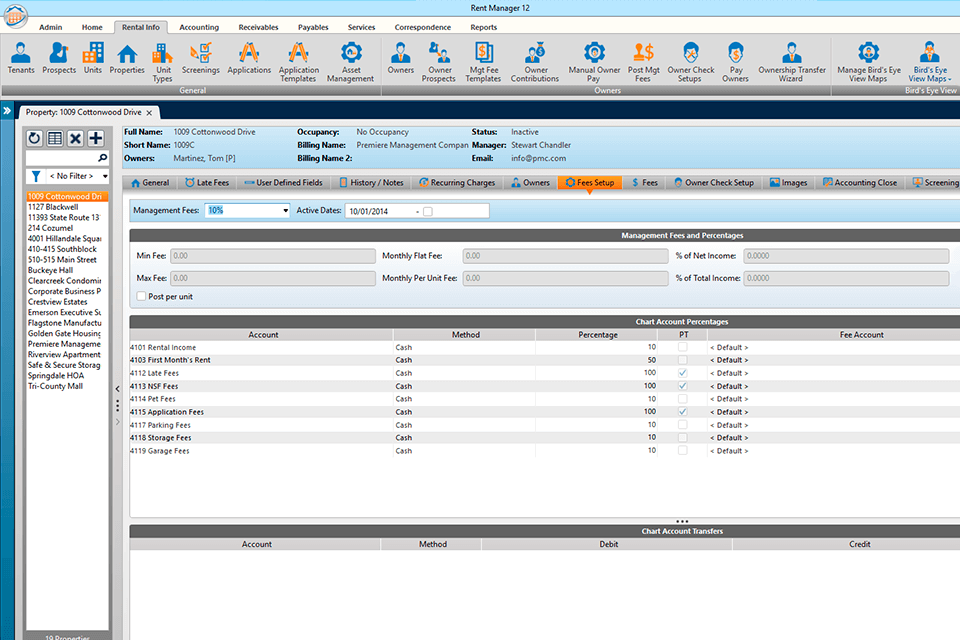
Choosing the right property management budgeting software can significantly impact the efficiency of your budgeting process. With various options available, it’s essential to analyze the features, usability, and pricing to find the best fit for your needs. Below, we break down some popular choices to help you make an informed decision.
Comparison of Popular Budgeting Software
The following table summarizes key features, pros and cons of four popular property management budgeting software options to aid your comparison:
| Software | Pros | Cons | Pricing |
|---|---|---|---|
| Buildium |
|
|
Starts at $50/month |
| AppFolio |
|
|
Starts at $1 per unit/month |
| TenantCloud |
|
|
Free for up to 12 units, paid plans start at $12/month |
| Rentec Direct |
|
|
Starts at $35/month |
User testimonials provide valuable insights into the effectiveness of these software options. For instance, a Buildium user stated,
“The ease of use and comprehensive features have transformed how we manage our properties.”
Meanwhile, an AppFolio user mentioned,
“The customer support is top-notch, helping us navigate the initial learning curve.”
TenantCloud users have appreciated its flexibility, with one saying,
“The free tier allowed me to get started without financial risk, which was fantastic.”
Check what professionals state about real estate erp systems and its benefits for the industry.
Finally, Rentec Direct users often praise its reporting capabilities, with a user commenting,
“The analytics tools have given us insights we never had before, making budgeting much more strategic.”
The Future of Budgeting Software in the Property Management Sector

As the property management sector continues to evolve, budgeting software is increasingly becoming a cornerstone of effective financial management. The future promises innovative solutions driven by emerging trends and technologies that will significantly enhance budgeting practices. This evolution will not only simplify the budgeting process but will also empower property managers to make data-driven decisions that optimize financial performance.
Emerging Trends and Technologies Influencing Budgeting Software
The property management industry is witnessing a shift towards more sophisticated budgeting solutions, influenced by several key trends. These trends include the rise of cloud computing, increased integration with IoT devices, and enhanced mobile accessibility.
- Cloud Computing: Cloud-based budgeting software allows property managers to access real-time financial data from anywhere, facilitating timely decision-making.
- IoT Integration: Devices connected through the Internet of Things can provide essential operational data, helping to refine budgeting forecasts by incorporating real-time maintenance costs and energy usage.
- Mobile Accessibility: The growing reliance on mobile applications enables property managers to monitor budgets and expenses on the go, leading to improved responsiveness.
Artificial Intelligence and Machine Learning Enhancements
Artificial intelligence (AI) and machine learning (ML) are set to revolutionize budgeting processes within the property management sector. These technologies can analyze vast amounts of data quickly, uncovering insights that would be difficult for humans to identify.
- Predictive Analytics: AI can forecast future expenses and income based on historical data, enabling property managers to create more accurate budgets.
- Automated Reporting: Machine learning algorithms can generate financial reports automatically, reducing administrative burden and allowing managers to focus on strategic planning.
- Customized Recommendations: AI systems can offer personalized budgeting strategies based on the unique financial landscape of each property, enhancing the overall financial health of the portfolio.
Predictions for Evolving Budgeting Practices
Looking ahead to the next decade, budgeting practices in property management are expected to become more dynamic and data-driven. The integration of advanced technologies will lead to significant changes in how budgets are created and monitored.
- Real-Time Budgeting: Budgets will transition from static annual figures to real-time, dynamic budgets that adjust based on current financial and operational data.
- Increased Collaboration: Cloud-based tools will foster collaboration among property managers, accountants, and stakeholders, resulting in more cohesive budgeting strategies.
- Focus on Sustainability: As sustainability becomes integral to property management, budgeting software will incorporate environmental impact metrics, enabling managers to allocate funds towards energy-efficient upgrades and initiatives.
“The future of budgeting in property management is not just about numbers; it’s about understanding the story behind those numbers through data analytics and technology.”
Final Wrap-Up
In conclusion, utilizing property management budgeting software is a game-changer for property managers seeking to optimize their financial strategies. By embracing technology and best practices, firms can better navigate the complexities of budgeting, leading to improved profitability and sustainable growth. As the industry continues to evolve, staying ahead with the right tools will be crucial for long-term success.
Question Bank
What is property management budgeting software?
It is software designed to help property managers create, track, and manage their budgets more effectively, ensuring accurate financial planning.
How does budgeting software improve efficiency?
It automates data entry and calculations, reduces human error, and provides real-time financial insights, streamlining the budgeting process.
Can budgeting software integrate with other tools?
Yes, many budgeting software solutions offer integration with accounting, property management, and reporting tools for seamless financial management.
Is training necessary for using budgeting software?
Training is highly recommended to ensure staff can utilize the software effectively and maximize its features for budgeting accuracy.
What are the costs associated with property management budgeting software?
Costs vary widely based on the software features, number of users, and subscription models, ranging from affordable monthly fees to more comprehensive annual plans.