Hotel ERP software plays a crucial role in modern hospitality management by streamlining operations and enhancing guest experiences. As the industry evolves, the integration of various hotel departments through ERP systems has become essential for improving efficiency and customer satisfaction. These systems not only optimize daily operations but also provide a competitive edge in delivering high-quality service.
With features like online booking, customer relationship management, and robust reporting tools, hotel ERP software is designed to meet the needs of today’s hospitality landscape. The ability to analyze data in real-time helps hotels make informed decisions, ultimately leading to better service delivery and increased guest loyalty. The advent of cloud technology further enhances these solutions, making them more accessible and scalable for hotels of all sizes.
The Importance of Hotel ERP Software in Modern Hospitality Management
In today’s fast-paced hospitality industry, the significance of Hotel ERP (Enterprise Resource Planning) software cannot be overstated. With increasing competition and the demand for seamless service, hotels are turning to ERP systems to enhance operational efficiency. These systems serve as a centralized platform that integrates various departments and processes, ultimately leading to a more streamlined operation and improved guest experiences.The essence of Hotel ERP software lies in its ability to enhance operational efficiency by automating time-consuming tasks and providing real-time data insights.
By utilizing ERP systems, hotels can eliminate redundancies and reduce errors that often occur in manual processes. For instance, tasks such as booking management, inventory control, and accounting activities can be consolidated into one platform, reducing the time and effort needed to manage these areas separately. This not only saves valuable time for hotel staff but also allows for better resource allocation, ensuring that employees can focus more on guest services rather than administrative tasks.
Integration of Hotel Departments
A critical feature of Hotel ERP software is its capacity to integrate various departments within the hotel, creating a more cohesive and responsive operational environment. By linking front-office operations with back-office functions such as finance and human resources, hotels can achieve a seamless flow of information. This integration leads to the following benefits:
- Improved Communication: With all departments connected, information can be shared instantly, reducing the likelihood of miscommunication and fostering collaboration across teams.
- Streamlined Operations: Automated workflows enable staff to handle tasks such as room assignments, check-ins, and billing more efficiently, enhancing overall productivity.
- Data-Driven Decision Making: Access to real-time data allows hotel managers to make informed decisions quickly, optimizing operations and responding to market changes effectively.
- Enhanced Reporting: Comprehensive reporting tools within ERP systems give hotel management insights into performance metrics, occupancy rates, and financial health, aiding strategic planning.
The impact of Hotel ERP software extends significantly to customer satisfaction and service delivery. By enabling a more efficient and responsive operation, hotels can provide personalized services to guests, such as tailored room preferences and faster check-in processes. When staff can access guest information on-demand and respond to requests swiftly, it creates a more memorable and satisfying experience for customers.Moreover, ERP systems often include customer relationship management (CRM) capabilities that allow hotels to track guest interactions and feedback, enabling a proactive approach to service improvement.
With these insights, hotels can anticipate guest needs and create loyalty programs that resonate with their clientele, further enhancing satisfaction and encouraging repeat visits. In an industry where guest experience is paramount, the role of Hotel ERP systems in driving customer satisfaction cannot be overlooked.
Key Features of Effective Hotel ERP Software Solutions
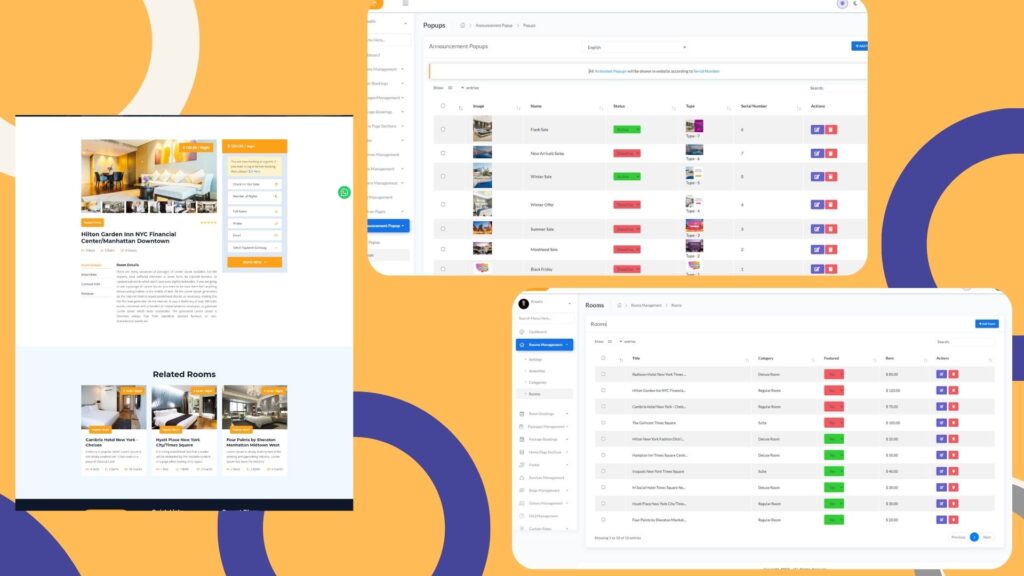
In the ever-evolving landscape of hospitality management, having the right tools is crucial for success. Effective hotel ERP software solutions encompass a range of functionalities that streamline operations, enhance guest experiences, and facilitate data-driven decision-making. These features not only optimize efficiency but also empower hotel managers to focus on what truly matters: providing exceptional service to guests.A robust hotel ERP software must include various essential functionalities that integrate different aspects of hotel management.
The core features of an effective system contribute to improved operational efficiency, enhanced guest satisfaction, and informed decision-making. Here are some key functionalities that should be part of any comprehensive hotel ERP solution:
Essential Functionalities in Hotel ERP Software
The following features are critical for the effective functioning of hotel ERP software and play a significant role in overall management:
- Online Booking System: A seamless online booking platform allows guests to reserve rooms directly through the hotel’s website. This feature not only enhances user experience but also reduces reliance on third-party booking sites.
- Customer Relationship Management (CRM): This functionality helps hotels manage guest interactions and data throughout the customer lifecycle. By tracking preferences and past stays, hotels can personalize services, resulting in increased customer loyalty.
- Revenue Management: Effective revenue management tools analyze demand trends and pricing strategies, enabling hotels to optimize pricing in real-time. This feature is vital for maximizing occupancy and profitability.
- Housekeeping Management: An integrated housekeeping module helps streamline operations by allowing for real-time updates on room status, thereby improving communication between front desk and housekeeping staff.
- Inventory Management: Managing inventory efficiently ensures that the hotel has adequate supplies while minimizing wastage. This module tracks stock levels, orders, and usage history.
- Payment Processing: Secure and flexible payment options enhance the guest experience, allowing for various methods of payment, including credit cards, online wallets, and direct bank transfers.
- Reporting and Analytics: Comprehensive reporting tools provide insights into operations, guest preferences, and financial performance. This aids managers in making data-driven decisions to improve services and profitability.
The role of reporting and analytics in hotel ERP software cannot be overstated. Accurate data analytics allow hotel managers to identify trends, measure performance, and forecast future demands. By leveraging this information, hotels can implement targeted marketing strategies, manage budgets more effectively, and enhance operational efficiency. Consider a hotel chain that utilizes analytics to track booking patterns; they can adjust their promotional strategies during peak seasons to maximize occupancy rates.
“Data-driven decisions enable hotels to enhance guest experiences and optimize operations effectively.”
When investigating detailed guidance, check out property management budgeting software now.
Overall, the integration of these key features into hotel ERP software creates a comprehensive solution that empowers hotels to manage their operations efficiently and deliver superior guest experiences.
The Role of Cloud Technology in Hotel ERP Systems
In today’s rapidly evolving hospitality landscape, cloud technology plays a pivotal role in enhancing the functionality and efficiency of Hotel ERP systems. By leveraging cloud solutions, hotels can streamline their operations, improve data accessibility, and ensure scalability to meet ever-changing demands. This shift to cloud-based systems not only modernizes hotel management practices but also aligns them with customer expectations for real-time service and information.Cloud technology enhances accessibility and scalability in hotel ERP solutions by allowing users to access critical information from anywhere, at any time, using various devices.
This level of accessibility is particularly beneficial for hotel staff who may need to manage operations across multiple locations or during travel. With cloud-based ERP, key data such as occupancy rates, revenue tracking, and guest preferences are available in real-time, empowering staff to make informed decisions swiftly. The scalability aspect means hotels can easily adjust their software resources based on their growth or changing needs without the hassle of significant hardware investments.
For instance, a small boutique hotel can start with basic functionalities and expand its capabilities as it grows, seamlessly integrating new features without downtime.
Security Implications of Cloud-Based Systems, Hotel erp software
The hospitality industry is particularly sensitive to data security due to the volume of personal information processed. Utilizing cloud-based systems introduces various security implications that must be addressed to safeguard sensitive guest data. Leading cloud service providers invest heavily in robust security protocols, including encryption, multi-factor authentication, and regular security audits, ensuring that data is protected against breaches. Many hotels are concerned about storing sensitive information in the cloud; however, reputable cloud vendors comply with strict regulations like GDPR, which mandates stringent data protection measures.Real-time data updates and management are another significant advantage of cloud computing in hotel operations.
With traditional systems, data updates could be delayed, leading to discrepancies in booking information or inventory levels. Cloud-based ERP systems facilitate immediate updates across all platforms, ensuring that the latest information is available to all staff members. For instance, when a guest checks in, their information is instantly updated across the system, reflecting occupancy levels and triggering housekeeping schedules automatically.
This not only improves operational efficiency but also enhances guest satisfaction, as hotels can respond to requests with agility and accuracy.In summary, cloud technology fundamentally transforms hotel ERP systems by enhancing accessibility, scalability, and security while enabling real-time data management, making it a cornerstone of modern hospitality management.
Learn about more about the process of real estate software for landlords in the field.
Benefits of Implementing Hotel ERP Software

In the fast-paced world of hospitality, where guest satisfaction and operational efficiency are paramount, implementing Hotel ERP (Enterprise Resource Planning) software can transform the way hotels operate. This software solution integrates various functions into a unified system, allowing for seamless management of operations. The need for efficient, reliable systems has led many hotels to adopt ERP solutions, which in turn deliver significant advantages.One of the primary benefits of Hotel ERP software is the enhancement of operational efficiency.
Traditional management methods often involve fragmented systems, where various departments like front desk, housekeeping, and accounting operate in silos. This disjointed approach can lead to miscommunication, delays, and a lack of coherent data. In contrast, ERP software centralizes information, allowing for real-time data access across departments. For instance, when a guest checks in, all relevant information is immediately updated across the system, enabling housekeeping to prepare a room and the kitchen to plan meals accordingly.
This kind of integration minimizes errors and enhances the overall guest experience.
Cost Savings from Streamlined Processes
The implementation of ERP software not only improves operational workflows but also leads to substantial cost savings. By automating routine tasks that traditionally require significant manual labor, hotels can reduce the workforce needed for such operations. For example, automated booking systems can handle reservations, cancellations, and changes without the need for extensive human intervention. This reduction in manual work not only lowers labor costs but also decreases the likelihood of human errors, which can be costly and time-consuming to correct.Furthermore, ERP systems contribute to optimizing resources, which can lead to additional savings.
Hotels often face challenges like excess inventory or inefficient staffing, which can inflate operational costs. ERP software offers valuable insights through advanced analytics and reporting, enabling hotel managers to make data-driven decisions about inventory levels and staffing schedules. By accurately forecasting demand based on historical data and trends, hotels can optimize their inventory and staffing, reducing waste and associated costs.Key areas where cost savings can be realized through the use of Hotel ERP software include:
- Labor Efficiency: Reduction in the need for manual tasks allows staff to focus on higher-value customer service activities.
- Inventory Management: Real-time tracking of supplies and inventory helps prevent overstocking and minimizes waste.
- Operational Costs: Streamlined processes reduce the time and resources needed for various operational tasks.
- Maintenance Costs: Predictive maintenance features help identify issues before they escalate, reducing repair costs.
In conclusion, the switch to Hotel ERP software represents a strategic decision that can significantly enhance operational efficiency while simultaneously reducing costs. The integration of various departments into a single, coherent system not only streamlines daily operations but also positions hotels to respond more agilely to market demands and guest expectations.
Challenges in Adopting Hotel ERP Software
Implementing ERP software in the hotel industry is a transformative step towards enhanced operational efficiency and guest satisfaction. However, the journey is often met with several challenges that can impede successful adoption. Understanding these obstacles is crucial for hotel management teams to navigate the transition smoothly and effectively.One of the primary challenges in adopting hotel ERP software lies in the technological hurdles that hotels might face.
Legacy systems often pose significant compatibility issues; integrating new ERP solutions with existing software can lead to data silos and operational disruptions. Additionally, many hotel staff may lack the necessary technical skills to effectively use advanced ERP systems, creating a gap in utilization that can diminish the expected benefits of the software.Another significant challenge is the human resource aspect. Resistance to change is common in many organizations, and hotels are no exception.
Employees who are accustomed to existing practices may view the new ERP system with skepticism, leading to reluctance in embracing the change. This resistance can stall implementation processes and even lead to staff turnover if employees feel overwhelmed or underprepared.
Strategies for Overcoming Challenges
To overcome these challenges, hotels can implement several strategies that pave the way for a successful ERP adoption. Firstly, investing in comprehensive training programs for staff is essential. This training should not only cover operational aspects of the new software but also address the underlying benefits that the ERP system brings to their daily tasks. Engage staff by highlighting real-life scenarios illustrating how the ERP will improve workflows and customer service.Secondly, involving employees in the selection and implementation process can significantly mitigate resistance.
Get the entire information you require about property management rent collection software on this page.
By allowing staff to provide input on system features or participate in testing phases, they are more likely to feel a sense of ownership and become advocates for the new system.Moreover, a phased implementation strategy can be beneficial. Instead of a complete overhaul, hotels can consider rolling out the ERP software in stages, which allows for adjustments based on feedback and eases the transition for all staff members.
Finally, maintaining clear communication throughout the process is vital. Regular updates regarding implementation progress, alongside an open forum for questions and concerns, can help alleviate anxiety among staff and promote a culture of transparency. By addressing both technological and human resource challenges with targeted strategies, hotels can ensure a smoother and more effective transition to their new ERP systems.
Future Trends in Hotel ERP Software Development

The landscape of hotel management is rapidly evolving, influenced by technological advancements that streamline operations and enhance guest experiences. As we look to the future, it’s clear that emerging technologies like Artificial Intelligence (AI) and the Internet of Things (IoT) will play pivotal roles in the development of hotel ERP systems. These technologies not only promise to improve operational efficiency but also transform how hotels engage with their guests.AI is set to revolutionize hotel ERP software by enabling automated decision-making and predictive analytics.
By analyzing vast amounts of data—from booking patterns to guest preferences—AI can help hoteliers optimize pricing strategies and tailor marketing campaigns to specific demographics. For example, AI-driven chatbots can provide immediate assistance to guests, handling inquiries and facilitating bookings in real-time, thus enhancing customer service without the need for substantial human resources.
Impact of IoT on Hotel Operations
The integration of IoT devices into hotel ERP systems is another significant trend. IoT technology allows for the connection of various devices in a hotel, creating a smart environment that can respond to guests’ needs promptly. For instance, smart room features such as automated lighting, climate control, and energy management systems can be linked to the hotel’s ERP software. This integration not only improves energy efficiency but also enhances the overall guest experience by allowing guests to customize their stay.As IoT continues to evolve, potential innovations that could emerge include:
- Wearable Technology: Guests may use smartwatches or fitness trackers to control room settings or access hotel services, making their stay more convenient and personalized.
- Smart Room Amenities: Devices such as voice-activated assistants can be integrated into hotel rooms, allowing guests to request services or information seamlessly.
- Automated Inventory Management: IoT sensors can track stock levels in real-time, ensuring that necessary supplies are always available while minimizing waste.
The growing importance of personalization in hospitality management software cannot be overstated. Today’s travelers expect experiences tailored to their unique preferences and needs. Data-driven approaches that leverage customer data enable hotels to create personalized marketing strategies and service offerings. Analyzing past behaviors, such as preferred room types, special requests, and even dining habits, allows hoteliers to anticipate guests’ needs and enhance satisfaction.
High-quality data analytics tools integrated within hotel ERP systems will support this trend further, enabling hotels to refine their services continually. For example, by utilizing machine learning algorithms, hotels can predict future guest behaviors and modify their packages accordingly, leading to increased loyalty and repeat visits.As we advance, the potential for innovation within hotel ERP systems will expand, primarily focused on enhancing operational efficiency and guest experiences.
Integrating AI and IoT technologies into the core of hotel management will not only optimize workflows but also create a more dynamic and responsive hospitality environment, positioning hotels to meet the evolving demands of a tech-savvy clientele.
Final Review
In conclusion, the implementation of hotel ERP software is no longer an option but a necessity for success in the hospitality industry. As hotels navigate challenges and embrace future trends, such as AI and IoT, the benefits of these systems become increasingly apparent. By enhancing operational efficiency and improving guest experiences, hotel ERP software stands as a pivotal component in shaping the future of hospitality management.
FAQ Corner
What is hotel ERP software?
Hotel ERP software is an integrated system designed to manage and streamline operations across various departments in the hospitality industry.
How does hotel ERP software improve guest experiences?
It enhances guest experiences through features like online booking, personalized services, and efficient customer relationship management.
Is cloud-based hotel ERP software secure?
Yes, cloud-based systems offer advanced security measures to protect sensitive data, along with the benefits of scalability and real-time updates.
What are the main challenges in implementing hotel ERP software?
Common challenges include technological difficulties, resistance from staff, and potential high costs associated with implementation.
What future trends should be expected in hotel ERP software?
Future trends may include the integration of AI and IoT for enhanced personalization and efficiency, as well as improved data analytics capabilities.