Best pms for small hotels takes center stage as we dive into the essential elements that make a Property Management System (PMS) ideal for smaller establishments. Small hotels often face unique challenges that differ significantly from larger operations, making the selection of a PMS crucial for their success. In this discussion, we will explore the specific needs of small hotels, key features to look for, and the cost-effectiveness of various PMS solutions tailored for their operations.
From understanding what makes small hotels tick to highlighting the importance of integration with other management tools, this overview will provide valuable insights into finding the right PMS. Whether it’s about enhancing operational efficiency with automation or gathering guest feedback to improve services, there’s plenty to consider when selecting the best PMS for small hotels.
Understanding the Unique Needs of Small Hotels in PMS Selection
Selecting a Property Management System (PMS) for small hotels requires a tailored approach that considers their specific needs and operational challenges. Small hotels often have different priorities compared to larger establishments, making it essential to focus on unique functionalities that align with their business models.Small hotels typically operate with limited staff and resources, which shapes their requirements for a PMS.
These properties often focus on personalized guest experiences, efficient operations, and cost-effectiveness. As a result, when choosing a PMS, these hotels should prioritize features that enhance their operational efficiency while also supporting their goal of delivering exceptional guest service.
Critical Features for Small Hotels in PMS Selection
Identifying the essential features of a PMS can significantly impact the efficiency and success of small hotel operations. The following features should be prioritized by small hotels when selecting a PMS:
- User-Friendly Interface: A straightforward and intuitive interface is crucial for staff members who may not have extensive technical expertise. A user-friendly system minimizes training time and aids in swift adoption.
- Reservation Management: Effective management of reservations, including real-time availability updates, automated confirmations, and the ability to handle direct bookings, is vital for maximizing occupancy rates.
- Integrated Payment Processing: A PMS that offers secure and efficient payment processing options simplifies transactions, enhances guest satisfaction, and reduces the likelihood of errors.
- Reporting and Analytics: Comprehensive reporting tools help small hotel owners monitor performance, analyze trends, and make data-driven decisions to improve revenue management.
- Guest Communication Tools: Features that facilitate direct communication with guests, such as automated pre-arrival messages and post-stay surveys, help enhance guest engagement and loyalty.
- Mobile Access: A mobile-friendly PMS allows staff to manage operations on-the-go, increasing flexibility and responsiveness during busy periods.
- Scalability: As small hotels grow, they need a PMS that can scale with their operations, adding functionalities as required without significant investment in new systems.
The unique needs of small hotels significantly differ from those of larger hotel chains. Larger establishments often focus on complex integration across various departments and advanced analytics, while small hotels benefit more from simplicity and efficiency in key operations. By prioritizing the right features, small hotels can optimize their operations and deliver personalized guest experiences that set them apart in a competitive industry.
“Choosing the right PMS can transform a small hotel’s operational efficiency and enhance guest satisfaction.”
Key Features to Look for in the Best PMS for Small Hotels
Selecting the right Property Management System (PMS) is crucial for the success of small hotels. A well-suited PMS can streamline operations, enhance guest experiences, and ultimately lead to increased revenue. Understanding the essential features that a PMS should offer can make all the difference for small hotel owners and staff.To optimize hotel operations, a PMS must not only provide core functionalities but also incorporate user-friendly automation and robust reporting tools.
These elements can significantly improve both efficiency and accuracy, allowing staff to focus more on guest engagement and less on manual tasks. Here are vital features to consider when evaluating PMS options for small hotels.
Essential Features of a Small Hotel PMS
A small hotel PMS should encompass a range of essential features tailored to meet the unique needs of smaller establishments. These features help ensure smooth operations and enhance the guest experience.
- Reservation Management: A comprehensive reservation management tool is essential. This feature should enable easy booking, modifications, and cancellations, along with real-time availability updates to avoid overbooking scenarios.
- Channel Manager Integration: Integrating with various online travel agencies (OTAs) and booking platforms helps maximize room occupancy by reaching a broader audience while maintaining rate parity across channels.
- Guest Profiles and History: Storing guest data and preferences allows for personalized experiences, which can increase guest satisfaction and loyalty. This feature facilitates tailored marketing efforts and targeted promotions.
- Automated Check-in/Check-out: Streamlining the check-in and check-out processes through automation minimizes wait times and enhances guest convenience. This can include mobile check-in options and self-service kiosks.
- Reporting and Analytics Tools: Access to robust reporting tools is vital for tracking performance metrics such as occupancy rates, revenue, and customer feedback. This data helps management make informed decisions.
- Payment Processing: A reliable payment processing feature that handles various payment methods while ensuring data security is essential for both guest trust and operational efficiency.
- Housekeeping Management: Efficiently managing housekeeping schedules and tasks improves room turnover rates and ensures that guests are satisfied with their accommodations.
“An effective PMS can transform the operational landscape of small hotels, enhancing both efficiency and guest satisfaction.”
The integration of automation and a user-friendly interface within the PMS can significantly enhance operational efficiency for small hotels. Automating routine tasks reduces the risk of human error and allows staff to dedicate more time to personalized guest interactions. For instance, automated email confirmations and reminders can keep guests informed without requiring manual input from hotel staff. Additionally, a user-friendly interface minimizes training time for new employees, leading to quicker adaptation and increased productivity.
Comparison of PMS Features for Small Hotels
A direct comparison of features offered by various PMS systems can assist hotel managers in making an informed choice. Below is a table summarizing key features of leading small hotel PMS options:
| PMS Provider | Reservation Management | Channel Manager | Automated Check-in | Reporting Tools | Housekeeping Management |
|---|---|---|---|---|---|
| PMS A | Yes | Yes | Yes | Advanced | Basic |
| PMS B | Yes | No | No | Standard | Advanced |
| PMS C | Yes | Yes | Yes | Basic | Basic |
| PMS D | Yes | Yes | No | Advanced | Advanced |
Assessing the features Artikeld in this comparison can guide small hotel owners in selecting a PMS that not only meets functional requirements but also aligns with operational goals. The right PMS can serve as a valuable ally in the competitive hospitality landscape, driving efficiency and enhancing guest satisfaction.
Cost-Effectiveness of Property Management Systems for Smaller Establishments

For small hotels, managing costs while ensuring operational efficiency is vital. Property Management Systems (PMS) can provide a range of features to ease management burdens but can also come with significant costs. Understanding the pricing structures and total cost of ownership (TCO) is essential for small hotel owners to make informed decisions that align with their budgets.The pricing structures of different PMS can vary widely, and small hotels need to analyze these carefully.
Typically, PMS pricing models include subscription-based services, licensing fees, or a commission-based structure. Subscription models often charge a monthly fee, which can be easier to manage for smaller establishments. It’s crucial to look beyond just the monthly fee; consider the total cost of ownership that includes initial setup costs, ongoing maintenance fees, and any additional charges for upgrades or support.
This comprehensive view ensures that small hotels can accurately assess affordability over the long term.
Understanding Pricing Structures
Analyzing the pricing structures helps small hotels identify which PMS fits into their budgets while providing essential features. Some common pricing structures include:
- Subscription Fees: Many PMS providers offer monthly subscriptions, which typically include updates and customer support in the fee. This model is beneficial for small hotels as it helps in predictable budgeting.
- One-Time Licensing Fees: Some systems may require a significant upfront investment, which can be challenging for smaller establishments. However, these costs may lead to lower long-term expenses.
- Commission-Based Models: Certain PMS solutions charge a percentage of sales or bookings, making it an attractive option for very small hotels that prefer to maintain lower fixed costs.
Considering the total cost of ownership is vital in ensuring that a PMS does not become a financial burden. Factors like setup costs, ongoing maintenance, and required training should all be considered in the decision-making process. For instance, a low monthly fee could quickly escalate with high maintenance or transaction fees, ultimately resulting in higher expenses over time.
Expand your understanding about real estate erp systems with the sources we offer.
“Evaluating TCO allows small hotel owners to uncover hidden costs that could affect their bottom line.”
Case Studies of Cost-Effective PMS Implementation
Real-world examples can illustrate how cost-effective PMS implementations benefit small hotels. A small boutique hotel in a busy tourist area decided to adopt a cloud-based PMS with a subscription model. The hotel initially faced concerns about costs, but after a thorough analysis, they found that the model provided them with all necessary features, including online bookings and guest management, at an affordable monthly rate.
The hotel reported a 15% increase in bookings as the PMS streamlined operations and improved guest satisfaction.Another example is a family-owned guesthouse that opted for a PMS with a one-time licensing fee. While the upfront costs were higher than expected, the absence of ongoing fees allowed them to maintain better control over their budget. The guesthouse owner noted that the investment paid off within two years, as they enjoyed increased efficiency and reduced administrative workload.These examples highlight the potential for small hotels to implement cost-effective PMS solutions that align with their operational needs and budget constraints.
Get the entire information you require about real estate erp on this page.
The Role of Integration with Other Hotel Management Tools
In the fast-paced world of hospitality, small hotels need to leverage the power of technology to enhance their operations and guest experiences. One crucial way to do this is through the integration of Property Management Systems (PMS) with other hotel management tools such as booking engines and channel managers. This integration not only streamlines processes but also positions small hotels to compete effectively in a crowded market.Integrating PMS with additional systems allows for seamless data transfer and management across various functions of hotel operations.
This connectivity simplifies booking processes, inventory management, and guest interactions, creating a more cohesive operational environment. By marrying these systems, small hotels can ensure that all departments, from front desk to housekeeping, are aligned and informed.
Benefits of Seamless Integration
The advantages of integrating a PMS with other hotel management tools extend beyond mere convenience. They significantly enhance operational efficiency and improve the guest experience in the following ways:
- Improved Data Accuracy: Automatic data sync between the PMS and other systems reduces human error, ensuring that information such as room availability and pricing is always up to date.
- Enhanced Guest Experience: With integrated systems, hotels can provide personalized experiences for guests, such as customized room settings or tailored promotions based on their previous stays.
- Streamlined Operations: Integration allows staff to manage reservations, check-ins, and billing through a single interface, reducing the time spent navigating multiple platforms.
- Better Revenue Management: Channel managers connected to the PMS can dynamically adjust room rates based on market demand and occupancy, maximizing revenue potential.
- Time-Saving Automation: Tasks such as sending booking confirmations or reminders can be automated, freeing up staff to focus on guest interactions and improving service quality.
The effective management of multiple software solutions hinges on choosing compatible systems that communicate well with one another. Small hotels should look for PMS providers that offer open APIs or pre-built integrations with popular tools in the market. This approach not only enhances operational synergies but also ensures that the hotel can adapt to changing technologies without substantial reinvestment.In summary, integrating a PMS with other hotel management tools is not just a modern convenience; it’s a strategic necessity for small hotels aiming to optimize operations and elevate guest satisfaction.
By effectively managing these interconnected technologies, small hotels can substantially improve their service offerings and operational efficiency, ultimately driving growth and customer loyalty.
Evaluating Customer Support and Training Provided by PMS Vendors
Reliable customer support is a cornerstone for small hotels that depend on Property Management Systems (PMS) for their day-to-day operations. In the fast-paced hospitality environment, having immediate access to knowledgeable support can mean the difference between a smooth operation and a frustrating experience for both staff and guests. The right vendor should offer not only responsive customer service but also comprehensive training to ensure staff can effectively utilize the PMS.The adaptability of hotel staff to new technology plays a significant role in the overall success of the PMS implementation.
A well-structured training program can alleviate the learning curve associated with new systems, minimize disruptions during the transition, and improve overall efficiency. Vendors that invest in thorough training resources and customer support demonstrate a commitment to their clients’ success.
Key Aspects of Vendor Training Programs
Understanding what constitutes an effective training program can help small hotels feel more confident in their choice of PMS. Key aspects of training programs that can assist staff in adapting to new systems include:
- Onboarding Sessions: Initial onboarding sessions facilitate a smooth transition by providing hands-on training directly after installation.
- Comprehensive Documentation: Access to detailed user manuals and online resources helps staff troubleshoot issues and learn at their own pace.
- Ongoing Training Opportunities: Regular updates and refresher courses ensure that all staff are up-to-date with the latest features and functionalities.
- 24/7 Support Availability: Access to support during all hours mitigates the impact of technical issues, allowing staff to resolve problems swiftly.
- Feedback Mechanisms: Programs that incorporate staff feedback can adapt training to meet specific needs and challenges encountered on the ground.
Before selecting a PMS vendor, small hotels should consider specific inquiries regarding support and training offerings. Here are some essential questions that can guide their evaluation:
- What types of training materials and resources are provided for staff onboarding?
- Are there dedicated support teams for immediate issue resolution, and what are their response times?
- How frequently are training sessions offered, and are they included in the service package?
- Is there a cost associated with ongoing support or additional training sessions?
- What methods of support are available (e.g., phone, email, live chat), and what are the support hours?
By addressing these aspects, small hotels can ensure they select a PMS vendor that not only meets their operational needs but also empowers their staff to excel in a competitive marketplace.
The Impact of Mobile Access and Cloud-Based Solutions on Small Hotels
The hotel industry is rapidly evolving, and small hotels are increasingly recognizing the importance of embracing technology to enhance guest experiences and streamline operations. Mobile access and cloud-based solutions have emerged as two essential components that can significantly impact the efficiency and effectiveness of property management systems (PMS) in small hotels. These innovations not only empower staff but also create a seamless and convenient experience for guests.Mobile access for hotel staff and guests offers a myriad of benefits that can transform the way small hotels operate.
Staff members can manage reservations, check guests in and out, and handle requests directly from their mobile devices, leading to more efficient workflows and improved service delivery. For guests, mobile capabilities provide the convenience of accessing hotel services at their fingertips, such as ordering room service, requesting housekeeping, or even checking in before arriving at the hotel.
Benefits of Mobile Access for Staff and Guests
The advantages of mobile access within PMS systems extend to both hotel staff and guests, creating a more efficient operational environment. Here are some key benefits:
- Increased Efficiency: Staff can address guest inquiries and requests in real-time, reducing wait times and enhancing satisfaction.
- Enhanced Guest Experience: Guests enjoy the convenience of controlling their stay from their mobile devices, allowing for a personalized experience.
- Improved Communication: Mobile access facilitates instant communication among staff members, ensuring everyone is informed and coordinated.
- Remote Management: Managers can oversee operations from anywhere, making it easier to manage multiple aspects of hotel management without being physically present.
Cloud-based systems provide small hotels with much-needed flexibility and scalability. Unlike traditional on-premise systems, cloud solutions allow hotels to access their PMS from any location with internet connectivity. This means that updates, maintenance, and data storage are managed by the provider, freeing hotel staff to focus on guest services rather than technical issues. Furthermore, cloud-based systems can easily scale with the hotel’s growth, accommodating additional features, users, or locations without significant upfront investment.
Flexibility and Scalability of Cloud-Based Solutions, Best pms for small hotels
The shift to cloud-based PMS offers numerous advantages for small hotels seeking flexibility and scalability. Here are some notable points:
- Cost-Effective: Cloud solutions often operate on a subscription basis, reducing the need for large upfront capital expenditures associated with traditional systems.
- Automatic Updates: With cloud-based systems, software updates are automatically provided, ensuring hotels always use the latest features without manual intervention.
- Data Security: Cloud providers typically offer robust security measures, including data encryption and regular backups, ensuring guest information is protected.
- Integration Capabilities: Cloud-based systems often integrate seamlessly with other platforms and services, enhancing overall hotel management efficiency.
Several small hotels have successfully implemented mobile access and cloud-based solutions, demonstrating the positive impact of these technologies. For example, a boutique hotel in California adopted a cloud-based PMS that enabled staff to use tablets for check-in and check-out processes. This initiative not only reduced wait times but also allowed staff to engage more with guests during the initial interaction.Another example is a small hotel in Florida that implemented a mobile app for guests, allowing them to place room service orders and book spa appointments directly through their smartphones.
This led to a significant increase in guest satisfaction ratings and additional revenue from services that previously required direct interaction with front desk staff.Overall, the integration of mobile access and cloud-based solutions is reshaping the landscape of small hotels, enabling them to provide exceptional guest experiences while optimizing their operations.
You also can understand valuable knowledge by exploring real estate software for landlords.
Gathering and Utilizing Guest Feedback through PMS
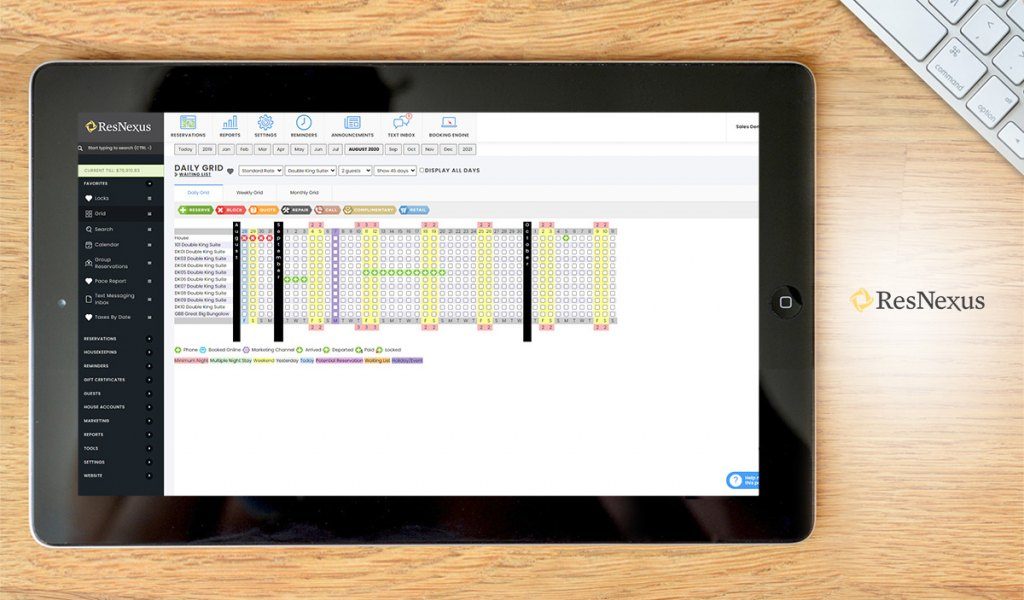
Collecting and analyzing guest feedback is crucial for small hotels striving to enhance their services and maintain high levels of guest satisfaction. A Property Management System (PMS) can streamline this process, allowing hoteliers to gather valuable insights directly from their guests. This not only helps in understanding guest preferences but also assists in making informed decisions for service improvements.Small hotels can leverage PMS functionality to create automated feedback requests that can be sent to guests post-checkout.
By integrating feedback forms into the PMS, hotels can easily gather responses directly related to the guest experience, such as room comfort, cleanliness, and staff service. Analyzing this data can highlight areas in need of improvement and identify what guests appreciate most.
Methods for Utilizing Guest Feedback
Utilizing guest feedback effectively requires a structured approach to ensure that insights lead to actionable changes. Here are key methods small hotels can implement:
- Automated Post-Stay Surveys: Use the PMS to send out automated surveys to guests shortly after their stay. This encourages timely feedback while their experiences are fresh in their minds.
- Incentivized Feedback: Offering discounts or perks for completed feedback can increase response rates, ensuring a wider range of opinions for analysis.
- Real-Time Feedback Collection: Implementing in-house tablets or kiosks where guests can leave comments during their stay allows for immediate insights and can resolve issues on the spot.
- Data Analysis Tools: Utilize the PMS’s reporting features to analyze trends and common themes in the feedback. This can help prioritize which areas need urgent attention.
Integrating feedback into operational strategies can significantly improve guest satisfaction. For example, a small boutique hotel in Austin, Texas, began incorporating guest feedback from their PMS to identify issues with room cleanliness. After adjusting their cleaning protocols based on suggestions received through feedback, they reported a 20% increase in positive reviews concerning room conditions within just three months.
“Guest feedback is not just data; it’s a roadmap to our success.”
Another case involves a bed-and-breakfast in Vermont that utilized feedback to revamp their breakfast menu. By analyzing guest preferences collected through their PMS, they introduced new menu items that led to a 30% increase in repeat bookings. By actively gathering and utilizing guest feedback through their PMS, small hotels can not only enhance their services but also foster guest loyalty, ultimately driving higher occupancy rates and greater satisfaction.
Concluding Remarks: Best Pms For Small Hotels
In conclusion, selecting the best PMS for small hotels can significantly impact their operations and guest satisfaction. By aligning their unique needs with the right features and considering aspects like cost-effectiveness and integration capabilities, small hotels can thrive in a competitive market. Ultimately, investing in a tailored PMS not only streamlines processes but also enhances the overall guest experience, paving the way for success in the hospitality industry.
Frequently Asked Questions
What are the key features to look for in a PMS for small hotels?
Key features include reservation management, reporting tools, automation, and user-friendly interfaces that enhance operational efficiency.
How much should a small hotel budget for a PMS?
The budget will vary based on the specific PMS, but small hotels should consider the total cost of ownership, including setup and maintenance fees.
Is integration with other systems necessary for small hotels?
Yes, integrating with booking engines and channel managers can significantly improve guest experiences and streamline operations.
How can small hotels gather guest feedback effectively?
Small hotels can utilize PMS to collect and analyze guest feedback, which can then be used to enhance services and boost satisfaction.
What role does customer support play in choosing a PMS?
Reliable customer support and training are essential for helping staff adapt to new systems and ensuring smooth operations.