Office space hoteling software sets the stage for a transformative approach to modern workplace dynamics, allowing organizations to optimize their space management with innovative solutions. As businesses increasingly adopt flexible work arrangements, the need for effective hoteling systems becomes paramount. This software not only enhances the way employees interact with their work environment but also streamlines the administrative processes associated with space allocation.
This software offers a plethora of features designed to improve efficiency, such as real-time booking systems, user-friendly interfaces, and robust analytics capabilities. By embracing office space hoteling software, companies can foster a more agile workforce, adapt to changing needs, and ultimately drive productivity among their teams.
The Rise of Office Space Hoteling Software in Modern Work Environments
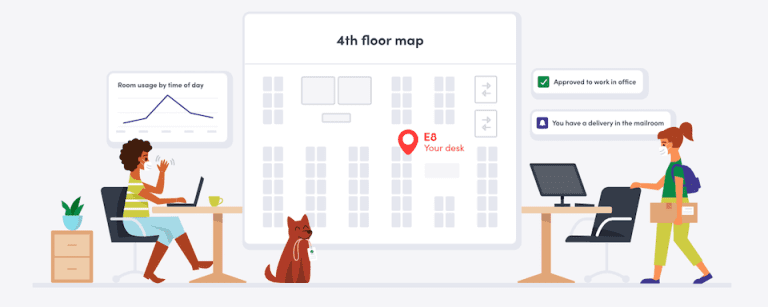
The modern workplace has undergone a significant transformation, driven by changes in work culture, technology advancements, and the desire for flexibility. Office space hoteling software has emerged as a solution to manage these evolving dynamics, allowing organizations to optimize their workspace usage. This shift is not merely a trend; it reflects a deeper understanding of how employees want to work, balancing collaboration with the need for personal space.Effective office space hoteling software is characterized by several key features that work together to enhance the overall management of office environments.
These features include:
Key Features of Office Space Hoteling Software
A well-designed hoteling software platform should encompass various functionalities that improve both user experience and administrative efficiency. The following features are essential:
- Real-Time Booking System: Users can easily reserve workspaces, conference rooms, and other facilities through an intuitive interface. This feature minimizes conflicts and ensures that all employees have access to necessary resources.
- Mobile Accessibility: With an increasing reliance on mobile devices, the ability to book and manage spaces via smartphones is crucial. This flexibility allows users to make reservations on-the-go, enhancing convenience.
- Analytics and Reporting: Comprehensive data analytics enable organizations to track space utilization and employee preferences, helping to inform future decisions about office layouts and resource allocations.
- Integration with Calendar Systems: Syncing with popular calendar tools allows for seamless scheduling and enhances the organization’s ability to manage appointments and meeting spaces effectively.
- User-Friendly Interface: A straightforward, easy-to-navigate interface minimizes the learning curve for employees, ensuring that the software is adopted and utilized effectively.
Businesses can derive numerous benefits from adopting office space hoteling solutions. The most significant advantages include:
By embracing hoteling software, organizations can significantly reduce overhead costs and improve employee satisfaction.
Increased Flexibility
Employees can choose their work environment based on their daily needs, fostering a sense of autonomy.
Cost Efficiency
Optimizing space usage leads to reduced real estate expenses and the potential for downsizing physical office footprints.
You also can understand valuable knowledge by exploring real estate software for landlords.
Improved Collaboration
By enabling employees to work in different environments, hoteling solutions promote cross-departmental interactions and teamwork.
Enhanced Employee Satisfaction
A personalized workspace experience contributes to higher morale and productivity, as employees feel more in control of their work conditions.
Streamlined Operations
Centralized management of office resources simplifies administrative tasks, allowing teams to focus on core business activities.This evolution of office management, driven by hoteling software, is reshaping the way companies approach their physical work environments.
Essential Features to Look for in Office Space Hoteling Software
In today’s dynamic working environment, the choice of office space hoteling software can significantly affect your organization’s efficiency and employee satisfaction. Selecting the right software involves understanding the critical functionalities that will best support your team’s needs. As remote work and flexible office arrangements become the norm, having a reliable hoteling solution can streamline operations and enhance the overall workplace experience.When evaluating office space hoteling software, users should prioritize several features that can directly impact usability, integration, and support.
The functionalities to look out for include user-friendly interfaces, robust integration capabilities with existing systems, and superior customer support to ensure a smooth implementation and ongoing use.
User Interface and Experience
A user-friendly interface is crucial for adoption among employees. The design should facilitate easy navigation and accessibility. Below are key factors to consider concerning user interface:
- Intuitive Design: The software should have a clean layout that allows users to quickly find and reserve spaces.
- Mobile Compatibility: A responsive design ensures users can book spaces on their smartphones or tablets, enhancing convenience.
- Visual Calendars: Implementing visual scheduling can help users quickly view available spaces and plan their visits accordingly.
A well-designed user interface not only improves user satisfaction but also promotes higher engagement with the hoteling software.
Integration Capabilities
Integration with existing tools and platforms is essential for a holistic office management solution. The following points highlight why integration is important:
- Calendar Syncing: Seamless integration with calendar applications like Google Calendar or Outlook helps users manage bookings alongside their schedules.
- HR and Payroll Systems: Linking with HR software allows for easy management of employee data and reporting.
- Building Management Systems: Integration with facility management tools can enhance the overall space utilization and energy efficiency.
Proper integration can significantly reduce manual work and improve the overall efficiency of office space management.
Customer Support and Training
Having responsive customer support is vital for addressing issues that may arise during usage. Consider the following aspects:
- Availability: Look for providers that offer 24/7 support to assist users at any time.
- Training Resources: Comprehensive training materials and sessions can help employees quickly get up to speed with the software.
- Community Forums: Access to user communities can facilitate knowledge-sharing and troubleshooting among users.
Strong customer support can greatly enhance user experience and ensure that the software serves its intended purpose effectively.
Comparison of Office Space Hoteling Software Solutions
When selecting the right office space hoteling software, it’s beneficial to compare various options available in the market. Below is a table outlining the pros and cons of some popular solutions:
| Software Solution | Pros | Cons |
|---|---|---|
| OfficeSpace | Intuitive interface, strong integration options, excellent customer support. | Higher price point compared to competitors. |
| SpaceIQ | Robust reporting tools, mobile-friendly, customizable features. | Learning curve for new users. |
| Envoy | Simple booking process, good visitor management features. | Limited integration with some HR systems. |
| Teem | Strong mobile app, good calendar integration, user-friendly design. | Occasional bugs reported by users. |
By carefully considering these essential features and evaluating different software options, organizations can ensure they choose the most suitable office space hoteling software that meets their unique needs and enhances their workplace experience.
Implementing Office Space Hoteling Software
Successfully integrating office space hoteling software into an organization requires careful planning and execution. As workplaces evolve towards more flexible arrangements, hoteling software offers a practical solution to optimize space utilization. However, navigating the implementation process can be challenging if not approached strategically.Establishing a structured implementation process ensures that all aspects of the software are leveraged effectively. Organizations must consider the specific needs of their workforce, prepare their infrastructure, and ensure user buy-in for a seamless transition.
Steps for Successful Implementation
To implement office space hoteling software effectively, organizations should follow these essential steps:
1. Assess Needs and Goals
Identify the specific objectives for adopting hoteling software. Understanding the unique needs of your organization will shape the implementation strategy.
2. Choose the Right Software
Evaluate various software options based on features, scalability, and user reviews. Select one that aligns with your organization’s goals and user preferences.
3. Develop a Project Plan
Create a timeline and Artikel responsibilities for team members involved in the implementation process. This includes IT, HR, and facility management.
4. Prepare Infrastructure
Ensure that your current hardware and network capabilities can support the new software. This might involve upgrading systems or ensuring robust Wi-Fi coverage throughout the office.
5. Train Employees
Conduct training sessions to familiarize staff with the new software, emphasizing its benefits and ease of use.
6. Launch and Gather Feedback
Roll out the software gradually, collecting feedback to address any issues or concerns. Adjust the implementation based on user experience.
Common Implementation Challenges and Solutions, Office space hoteling software
While implementing office space hoteling software can enhance workplace efficiency, organizations often face several challenges. Here are some common hurdles and how to overcome them:
Resistance to Change
Employees may be hesitant to adapt to new technology. To counter this, involve them in the decision-making process and provide comprehensive training.
Technical Issues
Software glitches and integration problems can arise. Ensuring a robust IT support team is in place can help resolve these issues promptly.
Insufficient Data
Inadequate data on space usage can hinder effective implementation. Conduct surveys or use existing data analytics to inform decisions.
Lack of User Adoption
If employees don’t see the value in the new system, it may fail. Highlight success stories and provide ongoing support to encourage usage.
Budget Constraints
Implementation costs can escalate. Carefully Artikel the budget during planning and consider phased rollouts to manage expenses.
Checklist for Preparation Before Rolling Out Software
Before rolling out office space hoteling software, organizations should ensure they have completed the following preparations:
Define Objectives
Clearly articulate the goals for implementing hoteling software.
Select the Software
Choose a solution that meets organizational and user needs.
Infrastructure Readiness
Confirm that all necessary hardware and network capabilities are in place.
Obtain recommendations related to property management software that integrates with quickbooks that can assist you today.
Training Program
Develop a comprehensive training program for all users.
Feedback Mechanism
Establish a way for users to provide feedback post-implementation.
Pilot Testing
Conduct a pilot test with a smaller group before full rollout to identify any unforeseen issues.By following these steps and being aware of potential challenges, organizations can effectively implement office space hoteling software and create a more adaptable, efficient work environment.
The Impact of Office Space Hoteling Software on Employee Productivity
Office space hoteling software has emerged as a compelling solution for modern workplaces, seamlessly blending flexibility and efficiency. This innovative approach allows employees to reserve workspaces as needed, fostering a more dynamic environment that encourages collaboration while optimizing space usage. Consequently, the impact on productivity is significant and multifaceted.Flexible workspace solutions inherently contribute to increased productivity among employees through various mechanisms.
By allowing individuals to choose their work environment based on their tasks, energy levels, and collaboration needs, hoteling software promotes a sense of autonomy and comfort. This empowers employees to work in settings that best suit their styles, leading to enhanced focus and engagement.
Successful Implementation Examples
Several companies have effectively leveraged office space hoteling software to boost employee engagement and productivity. For instance, IBM transitioned to a hybrid work model and implemented hoteling software, resulting in a 40% increase in employee satisfaction scores. This was attributed to employees enjoying the flexibility to choose when and where they worked, leading to improved work-life balance.Another notable example is Dropbox, which adopted hoteling practices to encourage teamwork and creativity.
With dedicated spaces for collaboration and quiet zones for focused work, employees reported a 30% improvement in their productivity metrics, demonstrating the efficiency of thoughtfully designed flexible workspaces.
Measurable Outcomes of Productivity Gains
To effectively evaluate productivity gains from hoteling, businesses can track several key metrics. The following measurable outcomes serve as insightful indicators:
- Employee Satisfaction Surveys: Regular feedback from employees regarding their workspace preferences can quantify satisfaction levels and correlate them with productivity indicators.
- Utilization Rates of Reserved Spaces: Tracking how often reserved spaces are used versus their availability provides insights into the demand for flexible work options and employee engagement.
- Performance Metrics: Assessing individual and team performance before and after the implementation of hoteling software can reveal improvements in output, collaboration, and overall productivity levels.
Implementing office space hoteling software not only transforms how employees interact with their environment but also fosters a culture of adaptability and productivity. As companies continue to pivot towards this model, the tangible benefits in employee engagement and performance will likely reinforce its value in the modern workplace.
Future Trends in Office Space Hoteling Software
As organizations continue to adapt to the evolving dynamics of the workplace, office space hoteling software is poised for significant transformation. Emerging trends in office space management technology are set to redefine how we utilize and manage our work environments. With the rise of remote and hybrid work models, hoteling solutions are being developed to enhance flexibility and maximize efficiency.
This section explores the future trends that will shape the landscape of office space hoteling software.
Emerging Trends in Office Space Management Technology
The integration of advanced technologies will play a critical role in the future of office space hoteling software. Key trends include:
- Smart Building Integration: The incorporation of IoT (Internet of Things) devices into hoteling software will enable real-time monitoring of space usage, optimizing resource allocation and energy management.
- Mobile Accessibility: With the increasing reliance on mobile devices, hoteling solutions will likely offer enhanced mobile functionalities, allowing employees to book workspaces seamlessly from their smartphones.
- Contactless Solutions: As health and safety remain paramount, hoteling software will evolve to include features like contactless check-ins and touchless booking systems to minimize physical interactions.
Impact of Remote Work and Hybrid Models on Feature Development
The rise of remote and hybrid work models has fundamentally changed how employees interact with office spaces. This shift necessitates the development of new features in hoteling solutions, including:
- Flexible Booking Systems: Software will increasingly offer dynamic booking options that allow employees to reserve spaces on an as-needed basis, accommodating fluctuating team sizes.
- Enhanced Collaboration Tools: Features that support virtual collaboration, such as integrated video conferencing solutions, will become more prominent within hoteling software.
- Personalized Workspace Options: Employees will expect hoteling software to allow for customization of their workspace preferences, tailoring environments to their specific needs for productivity.
Advancements in Artificial Intelligence and Data Analytics
Artificial intelligence (AI) and data analytics are set to revolutionize office space hoteling software. These advancements will lead to:
- Predictive Analytics: AI-powered analytics will help organizations forecast space usage trends, enabling proactive adjustments to workspace availability and design.
- Employee Behavior Insights: By analyzing booking patterns and employee preferences, hoteling software can provide actionable insights that enhance workplace strategies and employee satisfaction.
- Automated Space Management: AI-driven tools will facilitate automated management of office spaces, streamlining the booking process and optimizing resource allocation without manual intervention.
The evolving landscape of office space hoteling software is driven by technological advancements and changing workplace dynamics, ensuring a more flexible and efficient future for organizations.
Case Studies of Successful Office Space Hoteling Software Implementations
The adoption of office space hoteling software has gained momentum as organizations seek to optimize their workspace and enhance employee satisfaction. By enabling flexible working arrangements, companies are transforming their operations and boosting productivity. In this section, we will explore real-world examples where hoteling software has been implemented effectively, examining the insights shared by stakeholders and the measurable successes achieved.
Case Study: Tech Innovators Inc.
At Tech Innovators Inc., the introduction of office space hoteling software marked a significant shift in workplace dynamics. Faced with a growing workforce and limited office space, the company implemented a cloud-based hoteling solution that allowed employees to reserve workstations easily. This software not only streamlined the booking process but also facilitated better collaboration among teams.Key stakeholders, including employees and management, reported an increase in overall satisfaction.
Employees appreciated the flexibility to choose their work environment, leading to a more personalized and productive work experience. Management noted a reduction in unused office space, translating into cost savings for the company.To measure success, Tech Innovators Inc. tracked several metrics:
- Utilization Rate: The percentage of reserved workstations compared to total available workstations increased from 60% to 85% within the first six months.
- Employee Satisfaction Scores: Surveys indicated a rise in employee happiness, with scores jumping from 70% to 92% post-implementation.
- Cost Savings: The company reported a 20% reduction in overhead costs related to real estate and facilities management.
Case Study: Global Marketing Solutions
Global Marketing Solutions faced challenges related to employee productivity and workspace management. To address these issues, they adopted a comprehensive hoteling software solution that integrated seamlessly with their existing systems. This deployment allowed for better management of meeting rooms and collaborative spaces, fostering a more dynamic work culture.Feedback from employees highlighted an improvement in communication and teamwork. The software’s analytics features provided management with insights into space usage, allowing for strategic planning and resource allocation.Success metrics for Global Marketing Solutions included:
- Increased Collaboration: A 30% increase in team projects completed on time, attributed to improved access to shared spaces.
- Space Availability: Meeting room booking efficiency rose by 40%, decreasing wait times for team meetings.
- Employee Engagement: Engagement scores climbed by 25%, reflecting a more connected workforce.
Case Study: Financial Services Group
The Financial Services Group implemented office space hoteling software in response to a shift towards remote work and hybrid models. The software allowed employees to easily reserve desks and meeting rooms based on their needs, significantly improving the adaptability of their workspace.Management and employees shared their perspectives on the transformation. Employees valued the ability to choose their work settings, which contributed to enhanced creativity and focus during critical tasks.
Management observed a notable increase in productivity and employee morale.The metrics used to measure their success included:
- Productivity Metrics: A 15% increase in individual productivity measured by output tracking systems over the first quarter after implementation.
- Cost Efficiency: Operational costs were reduced by 18%, thanks to optimized office space usage and decreased real estate expenses.
- Employee Retention: Retention rates improved by 12%, indicating higher employee satisfaction and commitment to the organization.
These case studies illustrate that successful implementations of office space hoteling software can lead to significant improvements in efficiency, employee satisfaction, and cost savings. The insights from various stakeholders confirm the positive impact of such technologies on modern work environments, highlighting their value in the evolving landscape of workplace dynamics.
Overcoming Resistance to Change with Office Space Hoteling Software
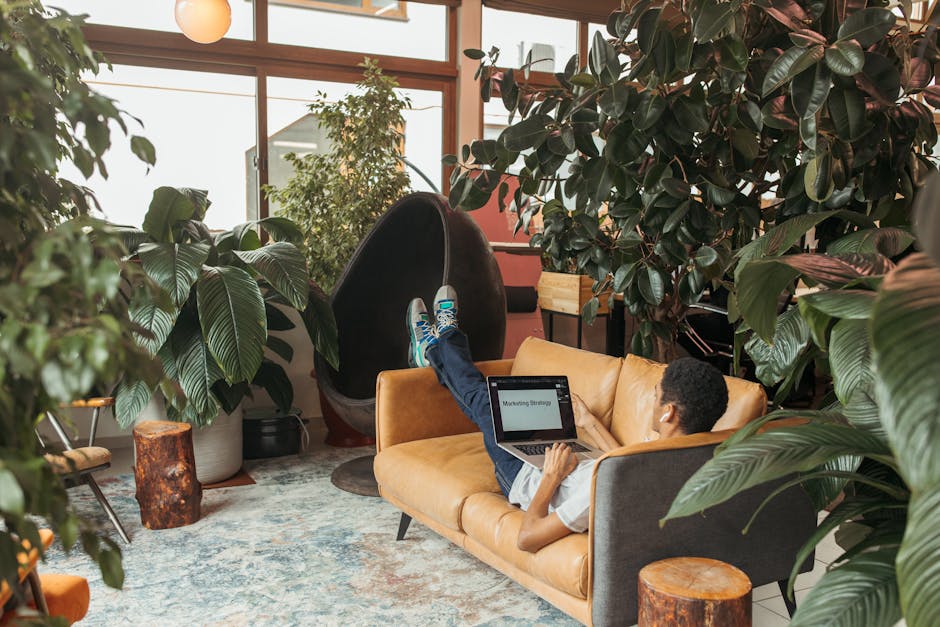
Adopting new office space hoteling software can be a significant shift for many organizations, often met with resistance from employees. Understanding the psychological barriers that employees face is crucial for leadership to navigate these changes effectively. Acknowledging these challenges and employing strategic methods can foster a more welcoming attitude towards the adoption of this technology.Employees may experience several psychological barriers when adapting to office space hoteling software.
These can include fear of the unknown, loss of control, and concern over job security. Employees might hesitate to embrace the new system due to a perceived threat to their established routines, leading to anxiety and reluctance to adapt. Recognizing these feelings is essential for leadership to address them proactively.
Strategies for Leadership to Foster Positive Attitudes
Creating an environment that encourages acceptance of hoteling software begins with leadership’s active involvement. Here are several strategies that can aid in this transition:
- Engage Employees Early: Involve employees in the decision-making process from the onset. This can alleviate feelings of exclusion and build a sense of ownership over the new software.
- Provide Comprehensive Training: Offer thorough training sessions that illustrate how the software works and demonstrate its practical benefits in day-to-day operations. People are more likely to embrace change when they feel competent in using new tools.
- Communicate Benefits Clearly: Highlight how hoteling software can lead to improved flexibility, convenience, and overall productivity. By presenting these advantages, employees can better understand how the change positively impacts their work-life balance.
- Establish Feedback Channels: Create avenues for employees to voice their concerns and provide feedback about the software. This can lead to valuable insights and demonstrate that leadership values their input.
Communication Methods for Educating Staff
Effective communication is vital to ensuring employees understand the benefits of hoteling software and are prepared for the changes it brings. Here are some effective methods to educate staff:
- Workshops and Webinars: Organize interactive sessions where employees can learn about the software, ask questions, and gain hands-on experience.
- Regular Updates: Share newsletters or email updates that Artikel progress, address common concerns, and remind staff of the benefits associated with the software.
- Success Stories: Share case studies or testimonials from other organizations or departments that have successfully implemented hoteling software. This can create a sense of relatability and inspire confidence in the change.
- Visual Aids: Use infographics, charts, and diagrams to illustrate how the new system will function and how it differs from the previous system. Visual learning can significantly enhance understanding.
“Change is the law of life. And those who look only to the past or present are certain to miss the future.” – John F. Kennedy
The Role of Analytics in Office Space Hoteling Software
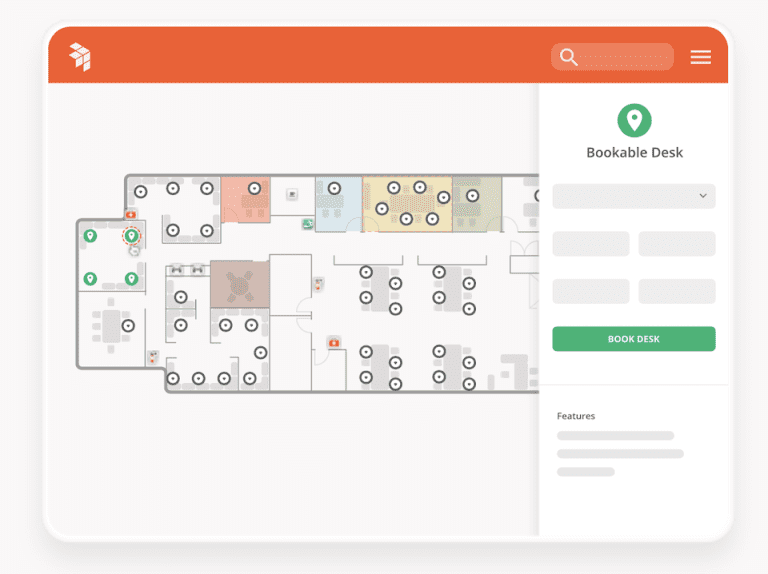
In today’s dynamic work environments, the integration of analytics into office space hoteling software has revolutionized how organizations manage their physical resources. By leveraging data analytics, companies can make informed decisions that optimize workspace utilization, improve employee satisfaction, and ultimately drive productivity. The insights gained from analytical tools can identify trends and patterns that help organizations adapt to the ever-changing landscape of work.Data analytics plays a critical role in enhancing decision-making processes within office space management.
By systematically analyzing data collected from hoteling software, organizations can discover valuable insights that guide their strategic planning. Key performance indicators (KPIs) are essential metrics that provide a clear picture of how effectively the hoteling software is functioning. These KPIs allow management to gauge the utilization of workspace, employee preferences, and overall efficiency of the hoteling system.
Key Performance Indicators for Office Space Hoteling Software
Monitoring specific KPIs is vital for assessing the effectiveness of office space hoteling software. These indicators provide measurable data that can be utilized for enhancing workspace management strategies.
- Space Utilization Rate: This metric indicates the percentage of available workspace that is actively being used. High utilization rates signify effective use of space, while low rates may suggest the need for adjustments in layout or availability of resources.
- Employee Satisfaction Scores: Gathering feedback from employees regarding their experiences with hoteling software helps assess its impact on their work-life balance and overall morale.
- Check-In/Check-Out Frequency: Tracking how often employees reserve and use workspaces provides insights into popular areas and peak usage times, allowing for better space allocation.
- Cost per Employee: Understanding the cost associated with maintaining office spaces in relation to employee numbers helps organizations determine financial efficiency and identify areas for cost reductions.
- Reservation Patterns: Analyzing data on when and how spaces are booked can uncover trends that inform policies on workspace availability and configuration.
The application of analytics has led to numerous successful implementations in various companies. For instance, a tech startup utilized data from its hoteling software to identify underused conference rooms. By reconfiguring these spaces into collaborative work areas, the company not only optimized usage but also fostered a more innovative work culture. Another organization, a global consulting firm, analyzed employee check-in data to adjust their remote work policies.
Do not overlook the opportunity to discover more about the subject of commercial property management accounting software.
They discovered that certain teams preferred specific locations on certain days, allowing them to enhance their scheduling and resource allocation processes.In conclusion, the role of analytics in office space hoteling software cannot be understated. By harnessing the power of data, organizations can make strategic decisions that enhance workspace efficiency, promote employee well-being, and adapt to the fluid nature of modern work environments.
Summary
In conclusion, the adoption of office space hoteling software marks a significant step forward for organizations looking to enhance workplace efficiency and employee satisfaction. By leveraging the latest technology and data-driven insights, businesses can create an environment that not only meets the needs of their employees but also contributes to overall organizational success. As we look to the future, the potential for further advancements in hoteling solutions promises to reshape how we view and utilize office spaces.
Query Resolution
What is office space hoteling software?
It is a digital tool that allows employees to book and manage workspace on an as-needed basis, promoting efficient space utilization.
How does hoteling software enhance productivity?
By providing flexibility and reducing time spent on finding and reserving workspaces, it enables employees to focus more on their tasks.
What are the common challenges in implementing this software?
Challenges include employee resistance, technical integration issues, and the need for proper training and communication.
Can hoteling software integrate with existing systems?
Yes, many hoteling software solutions offer integration capabilities with existing workplace management and communication tools.
How do I choose the right hoteling software for my company?
Consider factors like user interface, customer support, integration options, and specific features that meet your business needs.